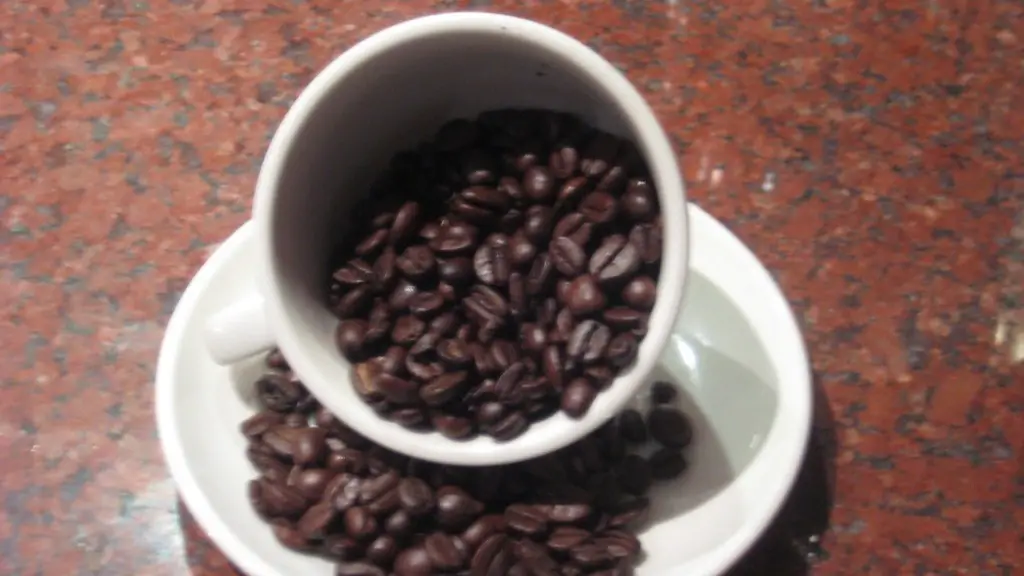
Many people enjoy coffee during their period, as it can make them feel more energized and alert. However, it is important to consider the possible effects of consuming caffeine on the menstrual cycle. While there is some evidence to suggest that coffee may help to ease discomfort during a woman’s period, there are also potential risks associated with drinking too much coffee.
Caffeine is a stimulant and can act like a diuretic, meaning that it can cause an increase in urination. This can exacerbate some of the physical effects of menstruation, such as abdominal cramps. Additionally, caffeine can also interfere with iron absorption, which can lead to iron deficiency anemia. This can lead to feeling tired and weak even when there’s no period.
Drinking coffee during a period may also affect a woman’s ability to sleep. Caffeine can cause insomnia and make it difficult for a person to relax, resulting in more physical and emotional distress. This can be especially problematic for women who experience severe menstrual symptoms, as lack of sleep can make symptoms worse. Furthermore, drinking coffee during a period can also increase anxiety and stress levels.

However, moderate consumption of coffee may provide some benefits. Studies suggest that the antioxidants and anti-inflammatory compounds found in coffee may help relieve menstrual cramps. Caffeine may also reduce feelings of fatigue, making it easier to cope with the effects of premenstrual syndrome (PMS). Additionally, coffee can be a helpful way to increase alertness and focus, especially for women with menstrual-related sleep disruptions.
Overall, the decision to drink coffee during a period should be made on an individual basis, taking into account the potential risks and benefits. Moderate consumption of coffee may be beneficial, but it is important to be mindful of how much is consumed. Additionally, some people prefer to opt for decaf coffee during their period, as it still contains the antioxidants found in regular coffee but without the stimulating effects of caffeine.
Should I Increase My Water Intake During My Period?
Water is an essential nutrient and is an important factor in not only menstruation but general health as well. During a period, it is important to maintain a healthy level of water intake to help keep the body hydrated and help ease bloating and abdominal cramps. Additionally, drinking more water can help flush out the toxins that can accumulate in the body during the menstrual cycle. It can also help to regulate hormones, as drinking enough water can help to balance hormone levels in the body.
At least 8 to 10 glasses of water daily is recommended for a woman during her period. Staying hydrated helps to replenish fluids lost through periods and can reduce the severity of cramps. Water is also essential for the production of prostaglandins, which are hormones that can help regulate menstruation, so it is important to ensure a sufficient intake of water.
Women with heavy periods may be at greater risk of dehydration, as they lose more fluids than those with light periods. Additionally, some women may experience nausea, vomiting, and diarrhea during their period, which can further lead to dehydration. Therefore, it is especially important for these women to maintain a consistent intake of water during their period.
Although drinking coffee during a period is controversial, it is important to prioritize staying hydrated, as this can have significant benefits for a woman’s wellbeing. Maintaining adequate water intake can help to reduce the physical and emotional effects of periods, as well as helping to regulate hormones.
Should I Reduce Caffeine Consumption During My Period?
Caffeine is a widely consumed stimulant and can be found in coffee, tea, chocolate, and some soft drinks. While caffeine can provide an energy boost, it can also have potentially negative effects on the menstrual cycle. Too much caffeine can interfere with iron absorption, estrogen production, and sleep, all of which can adversely affect a woman’s period.
Given the potential risks of drinking too much caffeine, it may be beneficial to reduce caffeine consumption during a period. This may mean switching to decaf coffee, tea, or soft drinks, or reducing the amount of caffeine consumed. Additionally, caffeine can increase anxiety levels, so it may also be beneficial to avoid consuming caffeine in distracting or stressful environments. On the other hand, moderate consumption of caffeine may provide some benefits, as it can increase alertness and reduce fatigue.
However, the decision to reduce caffeine consumption during a period should be made on an individual basis. Factors such as the intensity of menstrual symptoms and whether or not the woman has difficulty sleeping should be taken into account. Additionally, it may be beneficial to speak to a healthcare professional, who can provide more information and individualized advice.
Can Coffee Help Relieve Menstrual Cramps?
Menstrual cramps can be painful and debilitating, making it difficult to complete even daily activities. Although there are numerous treatments available to alleviate this symptom, many people still seek natural ways to manage their menstrual cramps. Coffee is a popular beverage, and some research suggests that it may be beneficial for menstrual cramps.
Coffee contains antioxidants and anti-inflammatory compounds, which may help to reduce the severity of menstrual cramps. Additionally, the caffeine in coffee can act as a natural pain reliever, as it is known to block the body’s pain signals. However, the impact of coffee on menstrual cramps is not fully understood, and more research is needed to confirm the effects of caffeine on menstrual cramps.
It is important to keep in mind that too much caffeine can exacerbate menstrual symptoms, so it is important to keep consumption moderate. Additionally, some people may be sensitive to caffeine, and cutting out caffeine or drinking decaf may be more beneficial. While coffee may help to relieve menstrual cramps, it is important to consult with a healthcare professional before making any changes to dietary habits.
Can Coffee Increase the Risk of Endometriosis?
Endometriosis is a condition where tissue similar to the lining of the uterus grows in other areas of the body. This condition can cause pelvic pain, heavy periods, fatigue, and infertility. The exact cause of endometriosis is unknown, but there is some evidence that caffeine may be a contributing factor.
Women who consume more caffeine, including coffee, have been found to have a higher risk of endometriosis. This may be due to the suppressing effect of caffeine on estrogen production and its ability to increase inflammation, both of which can contribute to the growth of endometrial tissue. Furthermore, caffeine can stimulate the production of cortisol, a stress hormone that can exacerbate endometriosis symptoms.
Therefore, it is important to be mindful of caffeine consumption. Reducing caffeine intake may help to reduce the risk of endometriosis, as well as easing other side effects associated with periods. Additionally, some research suggests that drinking coffee may reduce the risk of ovarian cancer and other conditions, so it is important to consider the potential benefits and risks before making any decisions.
Can Coffee Help with Premenstrual Syndrome?
Premenstrual syndrome (PMS) is a collection of physical and emotional symptoms, including mood swings, sugar cravings, bloating, and fatigue. While there are many treatments available for PMS, some people prefer to manage their symptoms through dietary and lifestyle changes. For some women, consuming caffeinated drinks such as coffee can help to alleviate some of the symptoms associated with PMS.
Caffeine can act as a diuretic, meaning that it can help to reduce fluid retention. This can help to ease bloating, which is a common symptom of PMS. Additionally, caffeine can increase the production of endorphins, the body’s natural feel-good chemicals, which can help to reduce feelings of depression or anxiety. Furthermore, caffeine can help to increase alertness and focus, making it easier to cope with fatigue.
On the other hand, too much caffeine can worsen PMS symptoms, as it can interfere with sleep and increase anxiety. Therefore, moderate consumption may be beneficial, but it is important to be mindful of how much caffeine is consumed. Additionally, some women may prefer to opt for decaffeinated drinks, as these still contain the non-caffeinated compounds that can help with PMS.