
Should I Start Drinking Coffee Again?
Coffee has long been a popular morning pick-me-up for millions of people around the world, providing a fast and convenient energy boost. After years of regular coffee drinking, many coffee-lovers have come to rely on it to help them get through their day. But is it really good for you and are the benefits really worth it? This article takes a look at some of the facts and opinions about coffee and its potential benefits and drawbacks.
Background Information
Coffee originates from the Coffea plant, and dates back to at least the 15th century. It is enjoyed worldwide in different forms, from traditional brewed coffee to instant powders and capsules for espresso-based coffees. The caffeine content in a cup of coffee can vary from 60-180mg, with an average of about 95mg. Depending on individual sensitivity to caffeine, drinking coffee can give a short-term boost in energy, focus and performance.
Recent Studies
Recent studies have suggested that coffee, in moderation, may actually have some health benefits. Research has indicated that coffee drinking may reduce the risk of cognitive decline with age, and possibly even reduce risk of certain types of cancers. Coffee is also a good source of essential vitamins and minerals such as vitamin B2, vitamin B5, potassium and magnesium, with one 8-ounce cup of coffee containing up to 11% of the recommended daily intake. Furthermore, it is thought that the antioxidants found in coffee may help to reduce inflammation, a risk factor for various diseases.
Potential Drawbacks
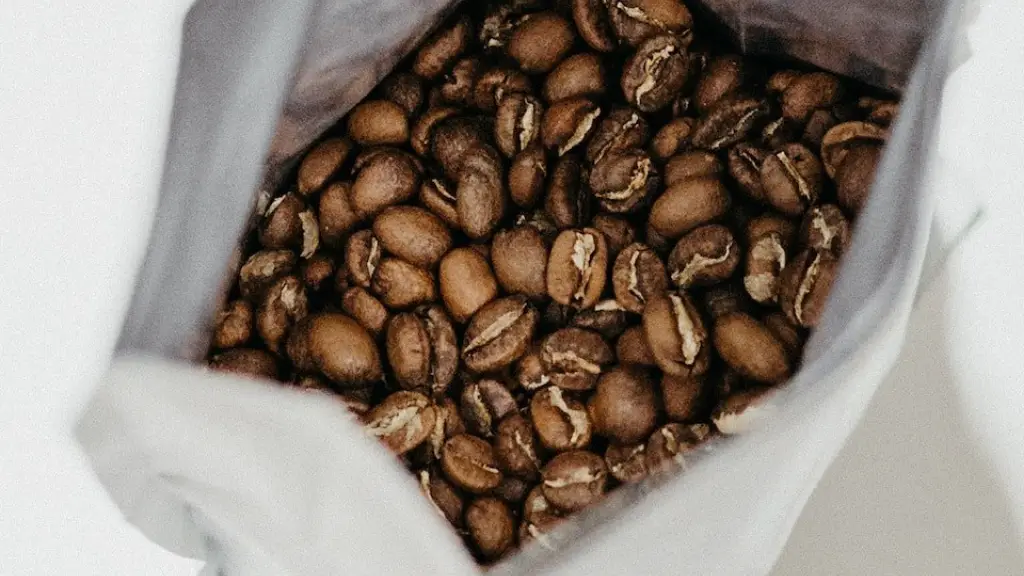
Despite potentially beneficial effects, there are still some drawbacks to consider. Caffeine is a stimulant and may interfere with normal sleeping patterns if taken late in the day. Too much caffeine can also cause unwanted side effects such as jitteriness, anxiety and a rapid heartbeat. People who suffer from anxiety or other mental health issues may find even small amounts of coffee difficult to tolerate. And for those who are already prone to heart disease, drinking caffeine can increase blood pressure and aggravate pre-existing conditions.
Reactions From Experts
Nutritionists and health experts generally advise moderate consumption of coffee. The American Heart Association recommends limiting intake to 400mg of caffeine per day, while the World Health Organization (WHO) suggests a maximum of 300mg. Any more than this can lead to adverse effects, and less than this may offer few health benefits. Ultimately, the decision whether to limit or abstain from coffee comes down to personal choice and how it affects each individual.
My Own Insights and Analysis
Having been a coffee drinker for many years, I have personally enjoyed the energy boost and enhanced alertness without ever experiencing any negative side-effects. But I’m aware that this is not the case for everyone and the effects can differ greatly from person to person. I believe that if someone enjoys coffee and it doesn’t cause any health problems, then there is no reason why they shouldn’t continue to enjoy it in moderation, bearing in mind the recommended guidelines.
Coffee vs. Tea
Coffee and tea are two popular beverages with different health benefits and drawbacks. Coffee contains a high level of caffeine, which can give an energy boost, but can also disrupt sleep patterns. Tea, on the other hand, contains far less caffeine, around half the amount of coffee, making it a better choice for those who prefer a less stimulating drink. Tea is also rich in antioxidants and polyphenols which are thought to help protect against some types of cancer and cardiovascular diseases.
Coffee Addiction
There is no denying that coffee can be addictive, particularly if consumed in large quantities, with some withdrawal effects being experienced when the habit is broken. Prolonged coffee drinking can lead to caffeine tolerance, where a stronger dose is needed to achieve the same effect. Therefore, drinking coffee should be limited, and periods of abstinence should be taken between cycles.
The Role of Genetics
Individual genetic differences can also have an impact on how coffee affects someone. Recent research has identified certain genetic variations which appear to influence the way coffee is metabolized. Genetics can also influence sensitivity to caffeine and the way it affects alertness and concentration. Understanding these genetic differences can help to determine the ideal coffee drinking pattern for each individual.
Coffee Alternatives
If too much coffee is not for you or if you are looking for a healthier alternative, then a number of coffee substitutes are available. Chicory is a coffee-like beverage made from the ground roots of the chicory plant, with a warm and mild taste, and low caffeine content. Yerba mate is a traditional South American beverage made from the dried leaves and stems of the Ilex paraguariensis plant, said to have energizing and stimulating properties.
Is Decaffeinated Coffee The Answer?
Decaffeinated coffee is often seen as a healthier alternative to regular coffee, but whether it is beneficial or not is still open to debate. Decaffeinated coffee still contains small amounts of caffeine, although the amounts are much lower than in regular coffee. Furthermore, the process of decaffeination may affect the taste, aroma and flavor of the coffee, so it may not be a good substitute for regular coffee.
Organic Coffee and Fair Trade Coffee

Organic coffees are produced without the use of artificial fertilizers, pesticides or other synthetic chemicals, and are certified by an organic certification body. They are becoming increasingly popular due to their potential health benefits and lower environmental impact. Similarly, fair trade coffees are certified to ensure that workers on the farms receive fair wages and good working conditions. Fair trade coffees are often organic and of a higher quality than regular coffees.
Conclusion
Ultimately, the question of whether to start drinking coffee again or not is a personal decision that only the individual can make. Coffee can be a healthy and enjoyable part of an individual’s daily routine, where it is consumed in moderation and in its natural form. However, for those with anxiety or heart problems, or for those who are caffeine-sensitive, it may be best to avoid coffee or to switch to decaffeinated versions or alternative beverages.