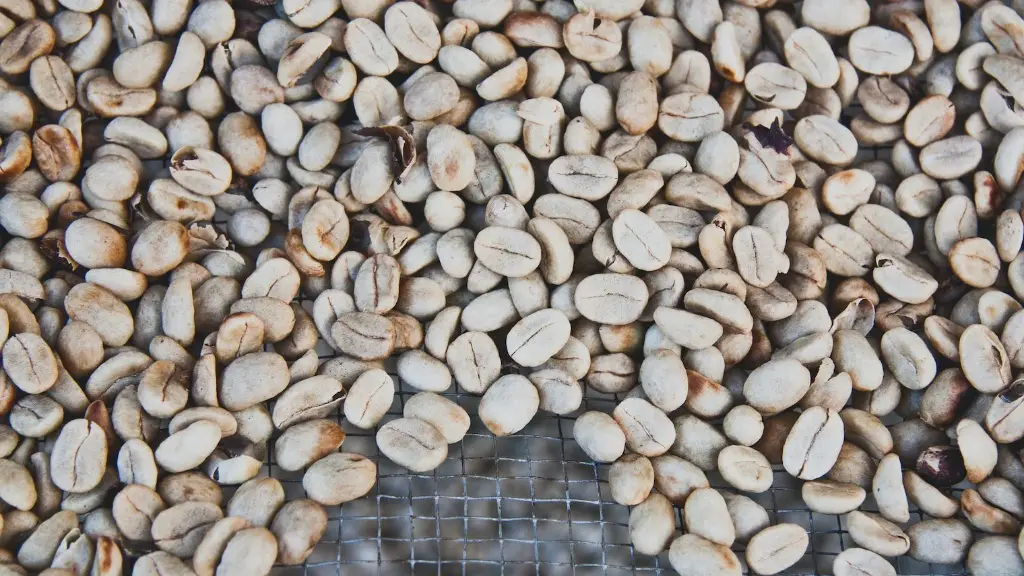
Coffee is enjoyed by millions around the world, but can you drink coffee during your menstrual cycle? Coffee and caffeine can have a mix of effects, both good and bad. It may provide some temporary relief from your usual menstrual symptoms, but it can also put a strain on your body. To understand whether you should be drinking coffee when you’re on your period or not, it’s important to explore the pros and cons.
On the plus side, coffee can help reduce fatigue and headache pain, alleviate cramps and reduce bloating. It can give you an energy boost and make you feel more energetic, as well as help to improve your concentration and focus, which is especially important when you’re feeling tired and sluggish. Caffeine also helps to reduce inflammation, a common symptom associated with menstruation.
On the other hand, drinking too much coffee during your period can increase irritation, cause mood swings, raise your blood pressure and heart rate, and worsen certain menstrual symptoms. Caffeine has a diuretic effect, which means it can increase the amount of water your body loses, which can make you dehydrated and lead to more severe menstrual cramps. It can also affect your sleep, causing difficulty falling asleep and staying asleep. This can further worsen PMS symptoms like depression, anxiety and irritability.
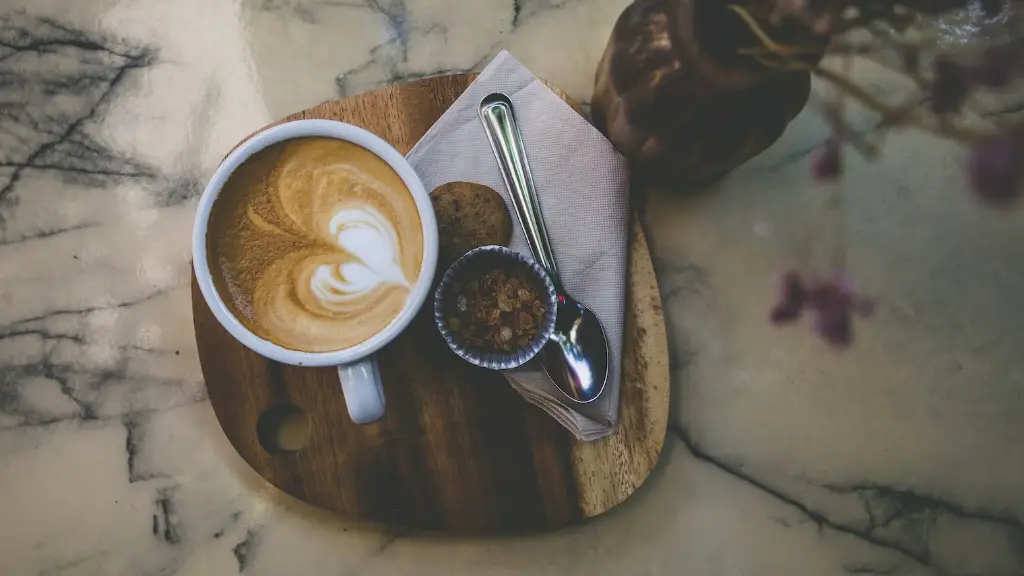
Ultimately, it comes down to personal preference. If you enjoy the taste of coffee, you can certainly drink it during your period. But, it’s important to be mindful of your body’s reaction to caffeine. Cutting down on your intake or limiting it to small amounts is recommended, as is drinking plenty of water to offset any effects.
Stress
Stress can contribute to greater physical and emotional discomfort during your cycle, so limiting your caffeine intake can help to reduce your overall stress levels. As caffeine is also a stimulant, it can cause your stress levels to rise and make your usual PMS symptoms worse. If you do choose to drink coffee during your period, it’s best to opt for decaffeinated coffee or tea instead.
If you’re feeling especially stressed, try replacing your coffee with herbal teas or a healthy smoothie. Herbal teas can be calming and promote relaxation, while a nutritious smoothie can give you a burst of energy without the caffeine. Alternatively, try taking a walk or doing some gentle yoga or stretching to help ease your body and mind.
Sleep
Lack of sleep can worsen PMS symptoms like fatigue, irritability and cramps, so it’s important to get enough rest when you’re on your period. Drinking coffee in the late afternoon or evening can make it harder to fall asleep and stay asleep, so it’s advisable to avoid drinking coffee in the hours preceding your bedtime. If necessary, opt for decaffeinated options.
To help ensure you get a good night’s sleep, it’s important to create a consistent bedtime routine. Avoid screens and electronics for at least one hour before bed, create a calming environment or read a book or listen to soothing music to help ease your mind and body. Creating a comfortable sleeping environment by investing in a good mattress, pillows and bedding can also help make it easier to drift off to sleep.
Diet
Drinking coffee on an empty stomach can make your cramps and other PMS symptoms worse, so it’s important to eat a balanced diet when you’re menstruating. Foods that are rich in nutrients, such as fruits and vegetables, healthy fats, dark chocolate and nuts can help to reduce bloating and PMS symptoms. Skipping meals or not eating enough can cause fatigue, irritability and mood swings, so make sure you’re getting enough healthy food.
It’s also important to listen to your body and only eat when you’re hungry. Eating for pleasure or out of boredom can result in overeating and weight gain and exacerbate your PMS symptoms. If you’re eating a balanced diet, drinking enough water and getting enough sleep, it’s more likely that you’ll be able to reduce your coffee intake without compromising your energy levels.
Alcohol
Alcohol may seem like an appealing solution to relieve symptoms or elevate your mood, but it can actually worsen your PMS symptoms. Alcohol is a depressant and can cause you to become stressed, agitated or moody. It can also worsen cramps and increase water retention. If you’re looking for a way to alleviate your suffering and boost your energy, drinking coffee is not the ideal solution, as it can disrupt your sleep and worsen your menstrual symptoms.
If you have been drinking alcohol, it’s important to get back on track with healthy, nutritious foods as soon as possible. Eating fresh fruits and vegetables, lean meats and complex carbohydrates can help to restore your energy and alleviate PMS symptoms, as well as improve your overall wellbeing.
Exercises
Exercise is an important way to stay healthy and prevent the soreness and lethargy that often accompany your period. Exercising regularly can reduce cramps and bloating, release mood-enhancing endorphins, improve your posture and reduce water retention. Although coffee may seem like an attractive way to get an energy boost before exercising, it can actually result in a post-exercise crash or worsen your menstrual symptoms.
Instead of relying on caffeine to get through your workout, try engaging in light to moderate activities like walking, swimming or biking. The rhythmic, gentle movements can improve circulation and reduce cramps, while stretching and yoga can help to improve flexibility, reduce stress and improve muscle tone. It’s also important to stay hydrated before and after exercise by sipping on water throughout your workout.
Nutrition Supplements
Although drinking coffee on your period may offer some temporary relief from your PMS symptoms, it’s important to consider other options. There are a variety of natural supplements available that may help to alleviate menstrual cramps and other symptoms associated with your period. Omega-3 fatty acids are thought to reduce inflammation and improve mood, vitamin B6 helps to relieve stress and headaches, and calcium helps to improve sleep, reduce cramps and reduce water retention.
These supplements may offer relief from the uncomfortable symptoms of your period, as well as boost your energy levels without the side effects of drinking coffee. However, it’s important to speak to your doctor or health care provider to determine which supplements are appropriate for you.
