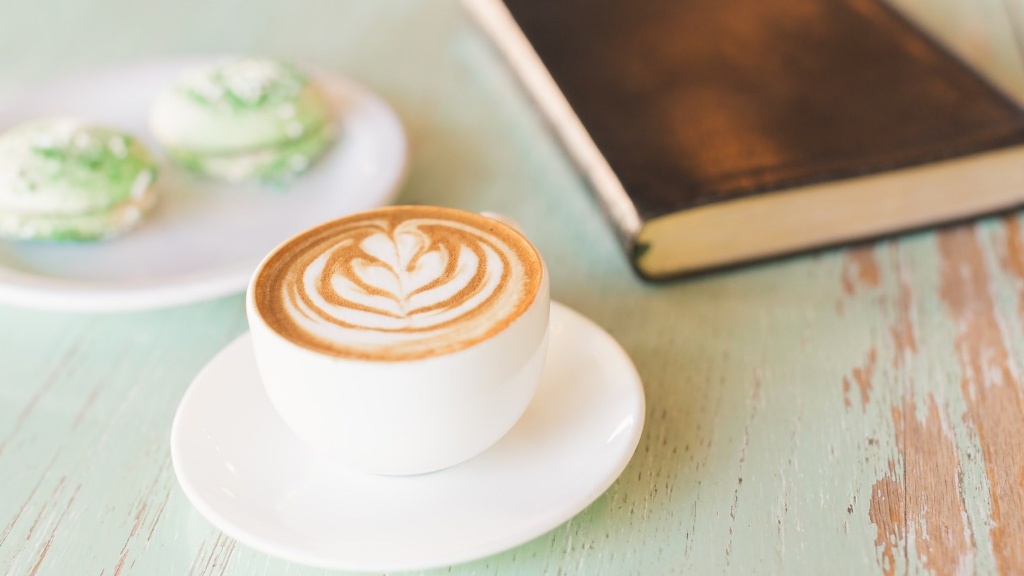
Studies have found that coffee slows down digestion, making us feel fuller for longer. As a result, drinking coffee too quickly can lead to bloating, indigestion, and even nausea. So, should we be drinking coffee slowly? Let’s examine the health benefits of consuming coffee at a slow pace.
Robust Digestive Tract
Consuming coffee in a leisurely manner gives your stomach the time it needs to break down the caffeine and other components. While the caffeine associated with coffee can be beneficial, drinking coffee too quickly can overload the digestive tract and result in gastric discomfort.
Drinking coffee slowly develops healthier digestion, allowing you to get the most out of the caffeinated beverage. Instead of ingesting the entire drink right away, take smaller sips over a prolonged period of time. This helps keep your stomach from being overwhelmed and aids in the absorption of coffee.
Coffee Tastes Better

When coffee’s consumed too quickly, the flavor of the beverage can become overwhelmed. To really enjoy the smooth flavor of coffee, it’s important to savor it, and that means drinking it slowly. It takes about seven seconds for the flavor of coffee to be fully absorbed. If you take a sip and wait for the taste to linger on your tongue, you’ll experience the full flavor of the coffee.
Relatively speaking, coffee doesn’t take long to drink. But when you savor it, you break down the experience into smaller moments, which creates a more enjoyable experience. An avid coffee drinker can enjoy their cup of coffee for up to half an hour.
Alertness Without the Caffeine Crash
Most people take coffee for the caffeine boost. However, drinking coffee too quickly can mean overloading on caffeine and the resulting caffeine crash. When coffee is consumed slowly, you can get an even boost in energy with a lower risk of crash.
In addition, caffeine can stay in the body between three and five hours. When you drink coffee slowly, there’s less of a chance of ingesting too much caffeine. This means that you’ll be able to enjoy the caffeine boost while avoiding any side effects. As an experiment, next time you drink coffee, try drinking it slowly and see if you can feel the difference.
Longer Lasting Buzz
Finally, drinking coffee slowly has been shown to create a longer-lasting energy boost. The longer-lasting effects of drinking coffee at a slow pace can be attributed to the way coffee is digested in the body. When you sip coffee slowly, the caffeine is released into your body more gradually, giving it a chance to be properly absorbed.
This slow release of caffeine means that you get an energy boost that lasts longer. This allows you to enjoy a more sustained energy level throughout the day, without the inevitable crash.
Conclusion
In conclusion, while it may not seem like a big deal, drinking coffee slowly can offer some real health benefits. Taking the time to consume coffee at a leisurely pace helps digestion, increases the flavor, produces a better boost of energy, and can even reduce the effects of a caffeine crash.
Nutrition
Coffee is packed with essential nutrients that can play an important role in keeping the body healthy. As well as helping with digestion and providing a jolt of energy, coffee contains healthy polyphenols, minerals, and vitamins. Drinking coffee slowly helps the body to absorb these beneficial components more efficiently, giving you a nutritional boost.

Coffee can help with reducing cardiovascular problems, improving energy levels, and even help to stave off disease. So, aside from enjoying your coffee, drinking it slowly can help you to get the most out of the cup.
The Right Amount
When it comes to drinking coffee, balance is key. Caffeine is a natural stimulant, so it’s important to monitor your intake. Generally, moderate coffee drinking is considered to be 2–3 cups per day. Too much caffeine can lead to headaches, jitteriness, or sleeplessness.
To make sure that you’re getting the most out of your cup of coffee, you may want to consider tracking your caffeine intake. That way, you can determine the right amount of caffeine that works best for your body.
Benefits to Your Circadian Rhythm
It’s important to consider the timing of your coffee drinking. After all, caffeine is a stimulant and if consumed too close to bedtime, it can disrupt your circadian rhythm, resulting in difficulty sleeping.

If you’re a regular caffeine consumer, it’s best to avoid drinking coffee after 3 pm. That way you give your body plenty of time to absorb the caffeine, without disrupting your internal clock. And, since coffee takes about seven minutes to absorb, drinking it slowly after 3 pm won’t make it last any longer.
Be Mindful of Sugar or Cream
Adding cream and sweeteners to coffee can make it taste better, but adding too much can negate the health benefits of drinking coffee slowly. Cream and sugar contain calories, while coffee does not. When you add cream and sugar, the calories are exponentially increased, as are the potential health effects.
So, the next time you crave a cup of coffee, enjoy it slowly to maximize the health benefits. With a bit of mindful drinking, you can get the most out of your cup without overloading your digestive tract – or your waistline.