
Coffee has been associated with pregnancy several times as people explore whether a pregnant woman can drink coffee or not. When it comes to decaf coffee specifically, the picture is a bit more complex. Therefore, it is necessary to explore all aspects around drinking decaf coffee during pregnancy before deciding if it is safe for you or not.
Decaf coffee is coffee that has had the majority of its caffeine content removed. This means that it contains just a fraction of the caffeine content of a cup of regular coffee. Therefore, most of the harmful effects linked to the consumption of caffeine are eliminated. However, it is important to note that decaf coffee still contains some amount of caffeine – around 2-12mg per cup.
The American College of Obstetricians and Gynecologists (ACOG) recommends limiting the consumption of caffeine to 200mg per day (about 12 ounces or small cup of coffee) during pregnancy to avoid any potential harm to the unborn child. For decaf coffee, the ACOG recommends avoiding intake of more than 100mg of caffeine per day.
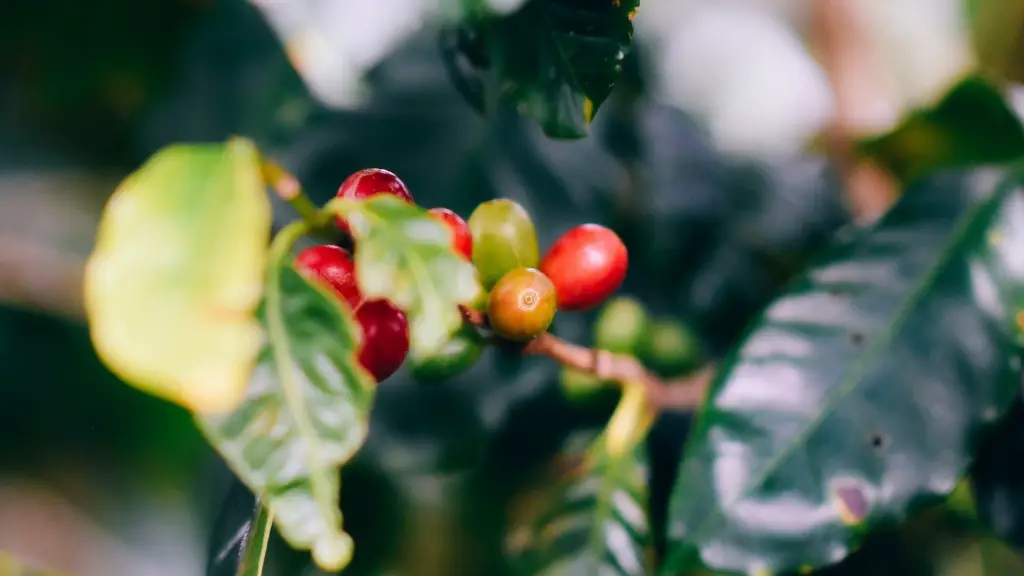
Coffee does have some potential benefits for pregnant women. Studies have suggested that moderate consumption of coffee (up to 200mg) is not harmful and may even provide some benefits such as reduced risk of developing diabetes, depression and headaches. It is also suggested that regular and moderate intake of decaf coffee may aid in digestion and help reduce nausea in pregnant women.
However, despite the potential benefits, it is important to consider the possible risks associated with drinking any type of coffee – either regular or decaf – during pregnancy. Some experts believe that the effects of caffeine are not limited to a 200mg limit and the linked effects can be severe.
For example, a study published in International Journal of Epidemiology found that pregnant women who drink more than 200 mg of caffeine per day had an increased risk of preterm labor and fetal growth restriction. Other studies have found a potential link between caffeine consumption in pregnant women and increased risk of miscarriage and stillbirth.
Therefore, when making a decision regarding the consumption of decaf coffee while pregnant, it is important to evaluate the potential benefits and risks. Only you can decide what the best decision is for your health and wellbeing. It is recommended to speak to a healthcare professional about your specific situation and get their opinion before taking any further action.
Risks of Consuming Too Much Caffeine

Caffeine is naturally found in many food sources including coffee, tea, chocolate and cocoa. Most pregnant women are aware of the potential harms linked to excessive intake of caffeine, but are not always aware of the role that caffeine can play in their pregnancy and some of the risk associated with it.
Research suggests that a pregnant woman should limit the intake of caffeine to a maximum of 200mg per day to reduce the risk of any potential harm to their unborn child. Some experts, however, estimate that an intake beyond this level may be associated with increased risk of low birth weight, premature birth defects, or even stillbirth.
It is also important to note that since there may be differences in the absorption and metabolizing of caffeine, it may be difficult to completely eliminate all traces of it in the body and a pregnant woman may experience some adverse effects even if the caffeine intake was less than 200mg per day.
Decaffeinated Coffee in Early Pregnancy
Since consuming any type of caffeine during pregnancy is somewhat controversial, many people are uninformed about the potential risks and benefits of drinking decaf coffee specifically. The general consensus is that drinking decaf coffee in moderation is safe for pregnant women, although risks may still exist.

Most experts agree that it is safe for pregnant women to drink decaf coffee in moderation. However, it is important to note that drinking coffee in early pregnancy may potentially increase the risk of miscarriage. Therefore, pregnant women should avoid drinking decaf coffee in the first trimester, if possible.
In the early trimester of pregnancy, the risk of miscarriage can be significantly reduced by consuming a balanced diet and drinking plenty of water instead of coffee. Therefore, pregnant women should consider drinking water instead of coffee, unless there is a persistent urge or a medical prerequisite of drinking coffee.
Alternative Beverages
For anyone who wants to avoid caffeine altogether, there are many options available. There are several caffeine-free beverages such as herbal teas, decaffeinated herbal teas, non-caffeinated coffee and fruit juices. All of these beverages are caffeine-free and pose no risk to the health of the pregnant woman or her unborn child.
If the urge for coffee is strongest, then switching to decaf can be a great option. However, it is important to keep in mind the maximum daily intake limit of 200mg of caffeine per day set by ACOG. Alternatively, there are plenty of non-caffeinated coffee substitutes available in the market.
What Are the Alternatives for Pregnant Women?
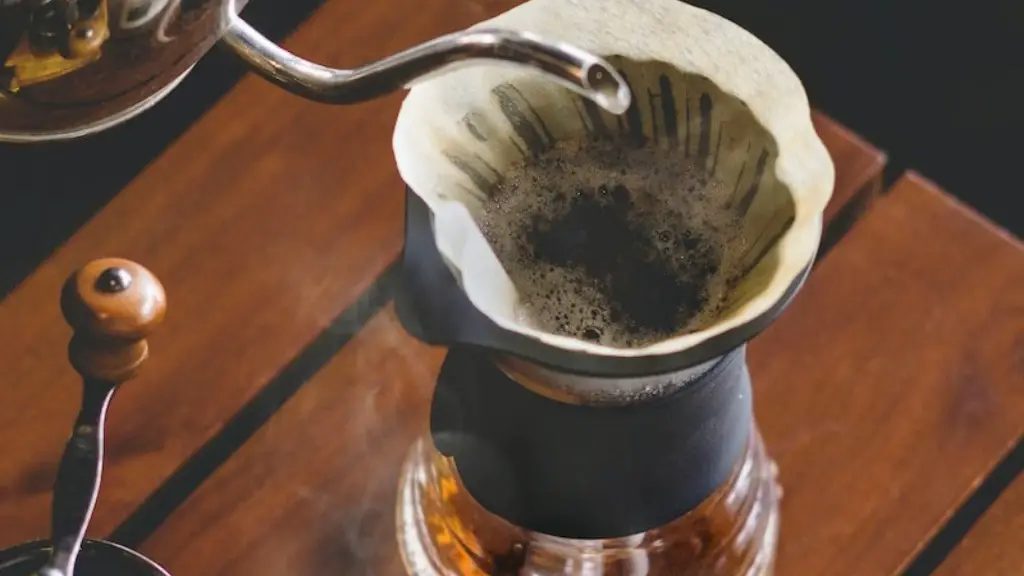
There are many alternatives for pregnant women looking for a caffeine-free beverage. Herbal teas are a great option as they are naturally caffeine free and deliver many of the beneficial effects associated with regular tea. Similarly,decaffeinated herbal teas are also a great alternative. Several non-caffeinated coffee beverages are available in the market such as Postum, Teeccino, and dandelion root coffee.
Additionally, pregnant women can also opt for caffeine-free soft drinks such as juices or fruit-infused water. This can help them satisfy the craving for a little caffeine without any of the risks associated with it.Consuming water throughout the day is also highly recommended as it helps keep the body hydrated and is also healthy for both the mother and the unborn child.
Conclusion
Decaffeinated coffee is not all bad, as there are many potential benefits, such as aiding with digestion. However, any pregnant woman who is considering drinking decaf coffee should weigh all the potential advantages and disadvantages before deciding if it is safe for her or not. Ultimately, it is important to understand that the effects of caffeine vary from person to person, so it is best to consult with a healthcare professional for individualized advice in order to make the best decision for yourself.