Coffee is an age-old favorite beverage, enjoyed by generations around the world. But, who is drinking the most coffee? It turns out, it is millennials and generation X-ers combined. According to research, those between the ages of 25 and 44 are the biggest coffee drinkers, with 56% of all coffee drinkers being from that age group.
Research has also found that 53% of consumers ages 25-34 and 51% of those age 35-44 drink coffee daily, making them even more likely to be regular and devoted coffee drinkers. Comparatively, fewer people age 45-54 and over 55 have a daily coffee habit.
These figures present a useful opportunity for coffee companies – target age groups between 25 and 44 as they could produce a higher return on marketing investments than other age groups.
Not surprisingly, people are drinking coffee more often and in greater numbers than can be estimated by traditional market reconnaissances and interviews. The data also suggesst that there is a strong relationship between age and amount of coffee consumed, with those between 25-35 drinking significantly more than older age brackets.
This preference for coffee does not necessarily equate to a greater taste for it. In one industry survey, new and young generations of consumers were largely open to unfamiliar flavors and roast levels when it comes to coffee, indicating that their drinking habits perhaps stem from convenience rather than taste.
In an age of increasing consciousness around sustainability and other environmental causes, the inclination towards eco friendly packaging is even more acute in young generations. In the same industrial survey, younger consumers had an increased willingness to pay extra for eco-friendly packaging.
Scalable subscription services, such as coffee subscriptions, are highly favored by younger generations as they offer convenience and lower prices while allowing customers to be more engaged with the product. Popular subscription options provide customers with a selection of different coffees, often with exclusive and special blends.
In-Store Coffee Shops

The last decade or so has seen an explosion of coffee shops in our cities, towns, and even airports. In-store coffee shops are strategically placed within store premises to draw consumers in, make their shopping experience even more unique and, ultimately, to increase business. In many cases, these coffee shops – as well as coffee kiosks – target millennials and generation X-ers as the primary audience, relying heavily on the age’s coffee-loving culture.
The booming coffee market has encouraged some retailers to be more upfront about their coffee-serving strategies and others, to implement more subtle strategies. For instance, some upscale retailers have opened coffee shops within their stores – Starbucks in Bloomingdales, Anthropologie’s coffee shop – while others such as Target and Home Goods have incorporated coffee kiosks to encourage more foot traffic.
Better Home Coffee Experience
While coffee shops remain attractive to younger consumers, others are seeking a more sophisticated and personalized coffee experience. Home coffee systems have risen to meet this need and cater to a higher-end consumer market.
Premium capsule coffee machines such as Nespresso are low-maintenance, easy to use, and offer exceptional coffee at home. In recent years, these coffee machines have become increasingly popular and even contributed to the home consumption of coffee. This growth in the home coffee market is seen across all age groups, but it is particularly noticeable in young generations.
Gourmet Instant Coffee
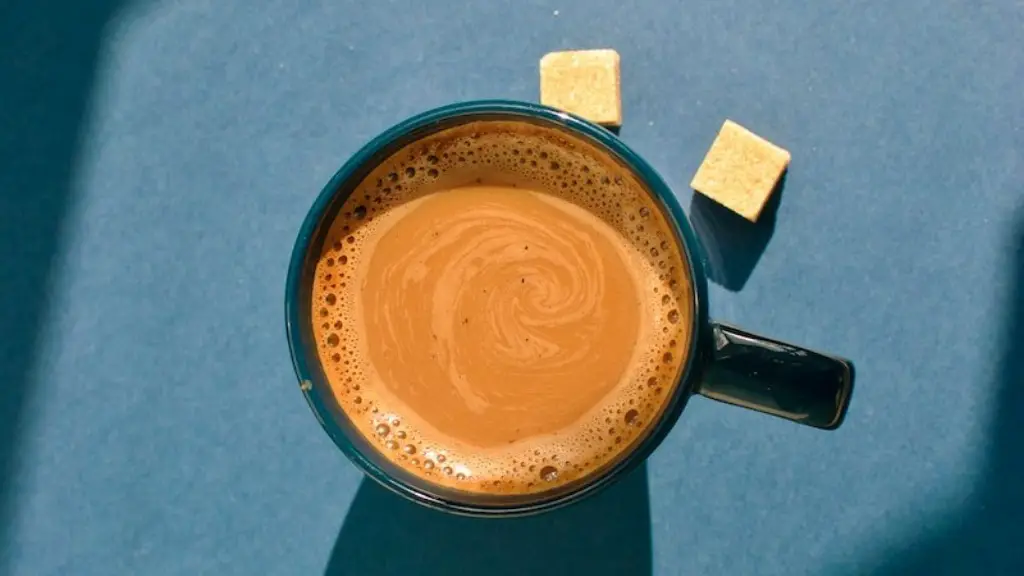
Instant coffee has been a hot topic in the coffee industry for some years now. It has seen a major resurgence with the rise of gourmet instant coffee products on the market.
Younger generations, looking for a fast and convenient way to enjoy quality coffee, have played an important role in pushing the trend towards gourmet instant coffee. In an effort to provide younger customers with their desired flavors and styles, some coffee companies have invested heavily in developing instant coffee products that offer great flavor and convenience.
As technology advances and innovates, consumers will continue to push the industry in the same direction. In the end, all that matters is that people get to choose their preferred type of coffee and share their love for it, regardless of age.
3D Coffee Printing
The 21st century has seen major advances in the way we perceive and consume food. We now have access to a variety of foods that are completely new and, oftentimes, a lot more exciting than the traditional dishes of the past.
A major development that is gradually making its way into the mainstream is 3D printing. It has found its way into a variety of dishes, from chocolate to chefs’ intricate desserts. Recently, 3D printing has made its way into the coffee market as well, in the form of 3D coffee printing.
Some companies are beginning to use 3D printing technology to create intricate, customized coffee patterns that can’t be achieved in any other way. Laser-printed coffee designs on a lattes or cappuccinos is just the beginning for 3D coffee printing. This new technology has the potential to revolutionize how people perceive and enjoy their coffee, and it would be especially attractive to younger generations because of its novelty and potential for customization.
Coffee and Health
As with almost any food item, there are always pros and cons associated. Coffee, of course, is no exception. On one hand, coffee has been shown to have many health benefits, ranging from improved mental and physical energy to a reduction in the risk of developing certain diseases.
However, on the other hand, there have been numerous studies conducted that have linked excessive coffee consumption to health issues such as headaches, sleeping disorders, and even addiction. Of course, moderation is key, and while those between the ages of 25 and 44 may be the biggest coffee drinkers, it is important for them to be mindful of the potential health effects of drinking too much coffee.
At the end of the day, coffee is just one of the many delicious beverages out there and young generations should bear this in mind. Don’t be solely focused on coffee but do explore a variety of drinks and be mindful of the effects of your caffeine consumption.
