Caffenated vs Decaffeinated
One of the first things to consider when deciding which type of coffee to drink is whether one prefers caffeinated or decaffeinated coffee. Caffeinated coffee contains caffeine, which is derived from natural sources like coffee beans and tea leaves. It is known to provide an alertness and energy boost, but can also have adverse effects if consumed in high amounts, such as insomnia, jitters or headaches. Decaffeinated coffee contains no caffeine and is not known to have any of the same effects. Some people find the taste of decaffeinated coffee to be slightly different than that of regular coffee, although some types are now available that taste similar.
Dark Roast or Light Roast
Another factor to consider when choosing a coffee is the roast. Dark roast coffee is roasted for longer and has a stronger flavor than light roast coffee. Dark roast coffee can also sometimes be bitter and acidic. Light roast coffee is roasted for less time and has a smoother and lighter flavor. It can be a good choice for those who do not care for the richer, bolder taste of dark roast. Some people even prefer medium roast, which is somewhere in between the two.
Organic or Non-Organic
Organic coffee is made from beans that have not been treated with pesticides or other chemicals. It is grown without the use of synthetic fertilizers and is not genetically modified. Organic coffee is often more expensive than conventional coffee, but it can offer a more natural and pure flavor experience. Non-organic coffee is grown using conventional methods, meaning it may be treated with pesticides or chemically-based fertilizers. While this kind of coffee may still taste good, some people prefer to avoid the chemicals for health reasons.
Brewed, Drip or Instant
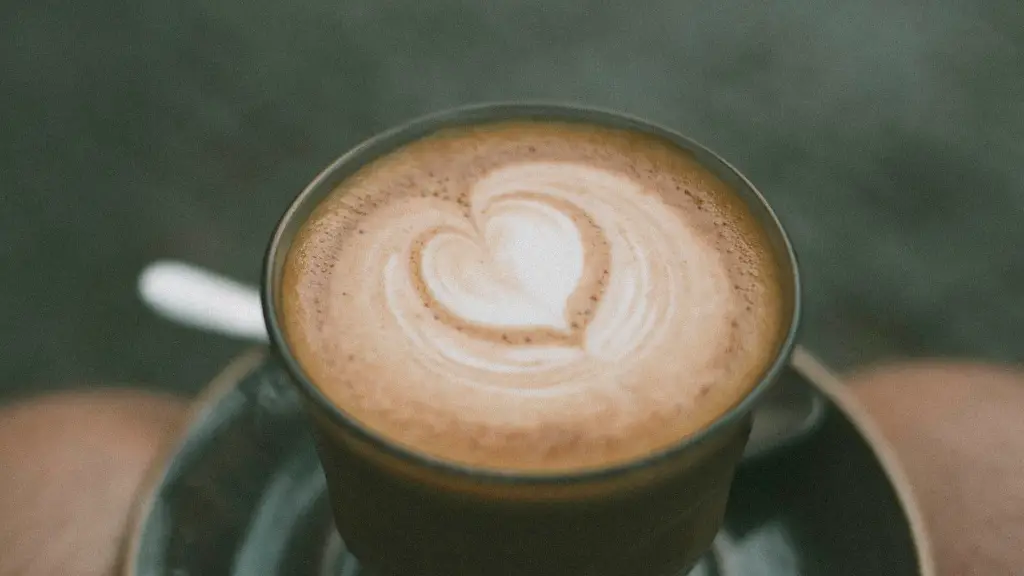
Brewed coffee is made by steeping the grounds in hot water and is typically the most flavorful type of coffee. However, it requires more time and effort to make. Drip coffee is made by pouring hot water over the grounds and is often less flavorful than brewed coffee, but far easier to make. Instant coffee is made with freeze-dried coffee grounds that dissolve quickly in hot water, making it the simplest type of coffee to make. However, it is usually not as flavorful as other types.
Cost
The cost of coffee can also vary greatly depending on the type. Certain organic beans or specialty blends can be quite expensive, while some more basic drip coffees can be quite affordable. It is important to consider your budget when deciding which type of coffee is the best for you.
How to Choose
When deciding which type of coffee to drink, it is important to consider many factors. Caffeinated or decaffeinated, dark roast or light roast, organic or non-organic, brewed, drip or instant – there are many options to choose from. Making a decision also depends on individual preferences, budget and lifestyle. It can be helpful to experiment and try different types of coffee to see which one best suits your taste and needs.
How is Coffee Grown and Harvested?
Coffee is grown in at least 80 countries around the world, with countries in Central and South America, Africa and Southeast Asia leading global coffee production. Coffee beans are actually the seeds of a small, red fruit that grows on the coffee tree. Specialty coffee is hand-harvested, meaning each cherry is picked when it is ripe and tart in flavor. The coffee cherries are then either dried or wet-processed, depending on the style of coffee.
Processing
Dried coffee is usually processed by, what is referred to as, a natural or dry process. Here, the coffee cherries are dried and left to ferment in the sun or in special machines. This process preserves the natural and sweet flavor of the fruit, creating a smooth and mellow cup of coffee. Wet-processed coffee is usually processed with the help of machines. Here, the coffee cherries are washed and soaked in water until the mucilage, a protective layer that surrounds the seeds, is removed. This process creates a brighter, more acidic cup of coffee.
Roasting
Once the coffee beans have been processed, they are then ready for roasting. The roasting process not only creates the distinct flavor that we know as coffee, but can also help to bring out some of the subtle notes that make each coffee unique. Coffee beans are typically roasted in batches in an apparatus called a drum roaster. The beans are heated until they reach their desired roast level and then cooled quickly in order to preserve the flavor and aroma.
Brewing
Brewing coffee is the last step in the process and can often be the most difficult. Brewing is what creates the perfect cup each time, and there are a range of different brewing methods that work best with different types of coffee. For example, espresso brews best with finely ground, dark roast coffee beans and a stovetop espresso maker. Meanwhile, pour-over brewing requires a much coarser grind and works best with light to medium roast beans.
