
The Benefits of Coffee for Weight Loss
Coffee is a popular beverage that has many health benefits when drunk in the right quantity. It can help to increase energy levels and mental focus, boost metabolism and aid in weight loss. When used properly, coffee can be an effective tool in helping you to cut calories, reduce body fat and ultimately reach your weight-loss goals.
The Effect of Caffeine on Metabolism
Coffee is naturally high in caffeine, a stimulant that works to speed up the body’s metabolism. Studies have shown that caffeine can increase the metabolism by up to 11 percent. This increased metabolism helps to burn more calories, resulting in a reduced appetite. Drinking coffee can therefore help to reduce your caloric intake, leading to weight loss.
The Thermogenic Effects of Coffee
Coffee has also been found to have thermogenic effects, which is an increase in calorie burning. This thermogenic response is caused by the caffeine in the coffee, and can result in a higher number of calories burned each day. A study in the International Journal of Sport Nutrition and Exercise Metabolism states that caffeine can increase the rate of fat oxidation by as much as 30 percent.
Improve Mental Focus
Coffee can also improve mental focus, enabling you to stay more alert and focused during exercise or weight loss activities. This improved focus can make it easier to push yourself and make better decisions about your diet, leading to more successful weight-loss results.
Choosing the Right Coffee
When it comes to coffee, the quality and type of coffee you drink will make a difference in the results you achieve. For example, drinking an instant coffee with added sugar and cream can undermine your weight loss efforts because of the added calories. To optimise your results, drink a black coffee, made with freshly ground beans or an organic coffee blend. Organic coffee can offer additional health benefits, including health-promoting antioxidants.
Coffee, Exercise and Weight-Loss Strategies
Drinking coffee can be a great boost to your weight-loss efforts; however, it’s important to keep in mind that it should be part of an overall strategy. For best results, combine regular coffee consumption with a healthy diet and regular exercise. When done together, these three activities can help you to reach your weight-loss goals and maintain a healthy, balanced lifestyle.
Monitoring Consumption
Coffee can be beneficial for weight loss, but it’s important to remember to monitor your consumption. The National Health Service recommends no more than two to four cups of coffee per day, as too much caffeine can lead to adverse health effects. Caffeine is also known to be addictive, so it’s important to keep your consumption at a manageable and healthy level.
Temperature and Health Benefits
Although most people prefer hot coffee, recent studies have found that drinking iced coffee can offer even more health benefits. An iced coffee is typically filled with antioxidants, polyphenols and other healthy compounds that can aid in weight loss. Furthermore, drinking an iced coffee can help you to stay cool and hydrated during hot summer months, helping you to stay in shape and avoid dehydration.
Organic Beans
Organic coffee beans can provide more health benefits than regular non-organic beans. Organic beans contain fewer toxins and more antioxidants, helping to boost metabolism and improve overall health. Additionally, by drinking organic coffee, you can avoid any potentially harmful chemicals or pesticides that may be used in non-organic coffee processing.
Timing Matters
When it comes to weight loss, timing can make all the difference. For instance, if you drink your coffee in the afternoon or evening, it can disrupt your sleep patterns and leave you feeling tired and unfocused. To ensure you reap the full weight-loss benefits of coffee, drink it in the morning to get the most out of its metabolism-boosting effects.
Cutting Calories and Losing Weight
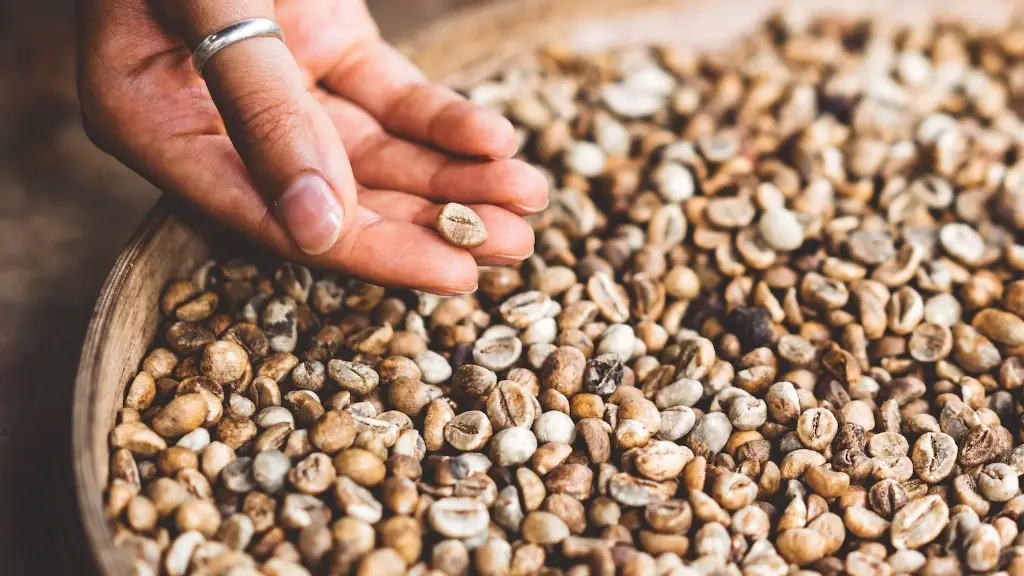
Drinking coffee can help you to cut down on food consumption and work towards weight loss. Coffee can act as an appetite suppressant, helping you to feel more full after a meal and reduce cravings for unhealthy snacks. Additionally, the thermogenic and metabolism-boosting effects of coffee can help to burn more calories and reduce fat on a daily basis.
Choosing the Right Drinks
When it comes to coffee for weight loss, make sure to only drink calorie-free beverages. Try to avoid adding sugar, cream, flavoured syrups or other calorie-dense ingredients. Instead, opt for coffee made with skim or unsweetened almond milk, honey or monk fruit sweetener.
Positive Habits
Making coffee part of your daily weight-loss routine can help to encourage positive habits. Drinking coffee can give you a boost of energy and focus, helping you to stay on track with your weight-loss goals. Plus, adding coffee to your routine is a healthy way to give yourself a reward without adding too many extra calories.
Calorie-Free Alternatives
If you don’t want to add calories to your diet, there are several calorie-free coffee alternative drinks that can provide the same health benefits. For a healthier alternative to coffee, try matcha green tea. Matcha contains a powerful blend of antioxidants and can be just as effective as coffee when it comes to boosting metabolism and suppressing appetite.
Herbal Infusions
Herbal infusions are another great calorie-free coffee alternative. Herbal infusions are usually made with dried herbs, spices and fruit, and can act as a natural appetite suppressant. Plus, many herbal infusions, such as lavender and chamomile, can help to promote relaxation and reduce anxiety.
Low-Sugar Drinks
If you’re looking for a sweeter alternative to coffee, there are several low-sugar options you can try. Low-sugar drinks are generally made from natural sweeteners, such as maple syrup or honey, and can be just as effective at suppressing appetite as regular coffee. Low-sugar drinks can also help to balance your blood sugar levels, giving your body the energy it needs to minimize sugar cravings.
Benefits of Drinking Water
In addition to coffee, drinking plenty of water can also be beneficial for weight loss. Water can help to fill your stomach, reducing your appetite and helping you to eat less. Water can also help with digestion and metabolism, aiding your body in burning fat and calories. Lastly, water helps to keep your body hydrated and functioning properly, providing energy to help you stay on track with your weight-loss goals.
Different Types of Water
There are several types of water that can help in your weight-loss efforts. For example, mineral water contains minerals, such as magnesium and calcium, which can aid in digestion and metabolism. Coconut water is another healthy option, as it provides electrolytes for hydration and can help to reduce cravings for sugar and other unhealthy foods.
Vegetable Smoothies
Vegetable smoothies are another great way to hit your weight-loss goals. Vegetable smoothies are low in calories and filled with nourishing vitamins, minerals and antioxidants. Plus, the fiber from vegetables can help to reduce hunger and cravings, making it easier to eat less and stick to your weight-loss plan.
Adding Supplements
Adding supplements to your weight-loss routine can also help you to reach your goals. For example, green tea extract and apple cider vinegar can boost your metabolism and suppress appetite. Protein powders can also be beneficial, as they help to keep you feeling full and can aid in building muscle.
Tracking Your Progress
Weight loss requires dedication and hard work; however, there are several ways you can track your progress and ensure you stay on track. Keeping a food journal or tracking your calorie intake can be a great way to stay aware of your healthy eating habits. Additionally, tracking your exercise and weight-loss activities can help you to hold yourself accountable and stay motivated.
Set Manageable Goals
When trying to achieve any goal, it’s important to set manageable and achievable goals. Setting achievable goals can help to keep you motivated and allow you to see progress over time. Additionally, breaking down your weight-loss goals into smaller goals can make them more attainable, helping you to stay on track and reach your desired results.
Seek Professional Help
If you’re finding weight loss difficult, it may be helpful to seek professional help. A registered dietician or personal trainer can advise you on the most effective strategies for weight-loss success. Additionally, a nutrition counsellor or therapist can help you to address any mental or emotional issues that may be contributing to your difficulty in achieving a healthy weight.
Making Healthy Changes
Ultimately, weight loss requires long-term lifestyle changes. Making healthy changes to your diet, exercise routine and overall lifestyle can help you to reach your goals in a safe and effective way. Drink coffee in moderation, stick to healthy habits and incorporate regular exercise into your routine for best results.
