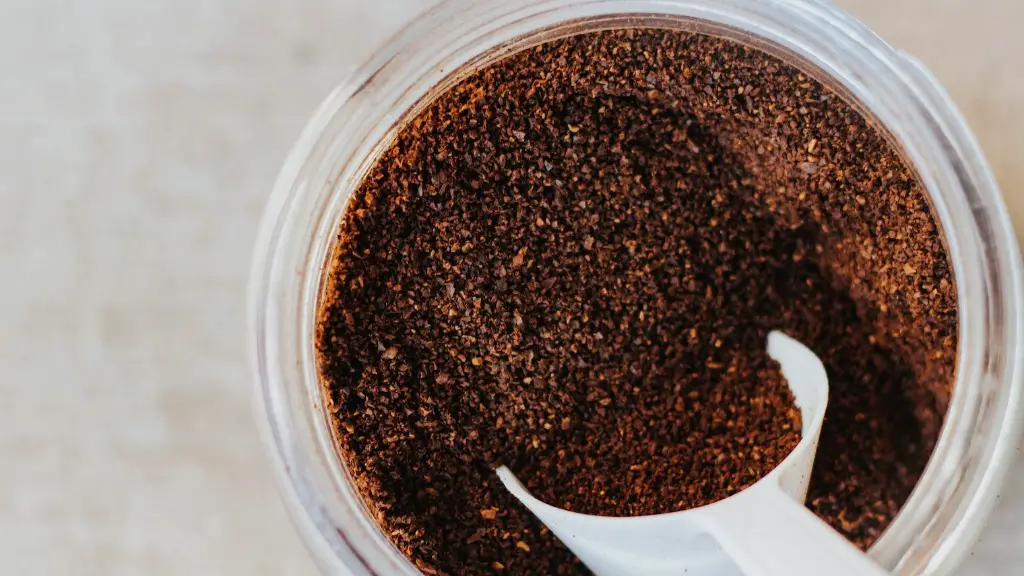
Are you a morning person and rely on coffee to shake off morning drowsiness? Do you think one or two cup of coffee a day is essential and harmless? For some, having a cup ofJoe a day is a perfectly normal routine, while some are truly addicted to caffeine and end up consuming much more than what might be safe. Research conducted in 2018 shows that people aged 25 to 44 drink an average of 3.2 cups of coffee a day. But even those who follow a moderate coffee drinking routine must understand that having too much coffee can have an adverse impact on your stomach.
The naturally occurring acids in coffee are difficult for your body to break down, which in turn produces excessive acid in your stomach. The more coffee you drink, the more acid your body produces. Having an upset stomach can lead to irritable bowel syndrome as well as acid reflux. Also, drinking large amounts of coffee, especially on a regular basis, can change the pH level of your stomach, influencing how effective it is in breaking down food.
When it comes to the specifically impacts of caffeine on the body, consuming high amounts can lead to feelings of indigestion in the stomach. As a highly effective stimulant, caffeine may cause the stomach to start overproducing acid and thus increase the chances of acid reflux, leading to heartburn and even ulcers. In some cases, people may suffer from abdominal pain, nausea, or vomiting after drinking large amounts of coffee.

In addition, acidic beverages such as coffee can cause an erosion of tooth enamel. This can lead to a decrease in overall oral health and a decrease in saliva levels. The saliva helps to cleanse the oral cavity, and a decrease in saliva can cause additional issues such as dry mouth, bad breath, and increased chance of tooth decay.
Despite all this, coffee does have certain health benefits and moderate coffee consumption can even be good for the human body. Coffee is rich in antioxidants which is beneficial for people with certain medical conditions, as it can reduce inflammation and even help to fight certain types of cancer. There are also studies which suggest that coffee can reduce the risk of stroke and heart diseases, but this benefit is only seen with moderate consumption. However, it is important to remember that too much coffee can be bad for your health.
Ultimately, it is necessary to remember that having moderate amounts of coffee is beneficial for the body and can even provide certain health benefits. Anything beyond this moderation limit can have a negative effect on your stomach as well as your overall health and can cause various digestive issues. So, if you’re a coffee lover, make sure to practice moderation to see the heathy benefits of coffee and avoid the negative effects.
What are the Long Term Effects of Drinking too Much Coffee
As mentioned before, moderate coffee consumption can be beneficial for your body and the excess amount can cause a range of issues. So, it is important to be aware of the long-term effects of drinking too much coffee. One of the main long-term effects of excessive coffee consumption is anxiety and insomnia. The high levels of caffeine in coffee can lead to an erratic sleep pattern, frequent wakefulness during the night, as well as difficulty falling asleep. It can also lead to other effects such as digestive issues, depression and irritability.

The overconsumption of coffee is also linked to high blood sugar levels, hypertension, tachycardia, and a high risk of cardiovascular issues. It can also increase the risk of stroke, especially in those genetically predisposed to it. The risk of stroke increases even more with smoking, alcohol, and high cholesterol levels. Finally, an excessive consumption of coffee can result in a higher risk of developing type 2 diabetes.
Caffeine consumption can also have a psychological effect on people. An over consumption of coffee has been linked to an increased incidence of panic attacks as well as anxiety. Higher caffeine consumption has also been linked to an increased chance of developing depressive disorders in those who already suffer from depression.
It is also important to note that pregnant women should not consume high levels of coffee as this can result in a range of problems for the unborn baby. High levels of caffeine can cause preterm labor, low birth weight, and even a higher risk of miscarriage. So, pregnant women should always maintain moderation when it comes to coffee.
How Much Coffee is Too Much?
Most experts recommend that adults limit their intake of caffeine to 400 mg of coffee a day, which is equivalent to four cups of coffee. However, depending on the person, this amount can vary significantly. For some people, just two cups of coffee daily can have adverse effects on the digestive system. So, it is important to know your body well and determine what amount of coffee is suitable for you.

On the one hand, some people may need to reduce their coffee consumption, due to certain medical conditions or even due to the potential side effects associated with overconsumption of caffeine. On the other hand, some people may find that more coffee is necessary for them to stay alert and focused, while others may find that even small amounts of caffeine give them an energy boost. Ultimately, it is important to ensure that you are aware of your body’s needs and drink coffee accordingly.
Although moderation is key, there are some steps that people can take to reduce the likelihood of negative side effects. People can drink decaffeinated coffee to reduce their caffeine consumption, as well as make sure to drink plenty of water. Additionally, one should avoid drinking coffee on an empty stomach as this can cause an upset stomach and acid reflux. It is also essential to ensure that coffee consumption is timed well, so that it does not affect your sleeping pattern.
How to Cut Down on Coffee Consumption?
If you feel like you’re consuming too much coffee and it’s negatively affecting your body and general health, there are steps that you can take to reduce your consumption. One of the most obvious methods of cutting down on coffee is to replace it with herbal tea or decaffeinated coffee. Additionally, people who are used to having coffee throughout their day can start to switch to other beverages such as water, unsweetened fruit or vegetable juices. Additionally, some people might find that taking a break from coffee, such as having one day a week as a ‘coffee-free day’, could help reduce the overall consumption of coffee.
When attempting to reduce coffee consumption it is important to remain mindful and consistent. You should be able to notice when you are up for a cup of Joe and the feeling that is driving you to do so. In addition to drinking other beverages, it is helpful to practice other methods of relaxation to try and alleviate the sensation of needing coffee. You can also combine relaxation techniques such as deep breathing, yoga and meditation with switching to other beverages to help reduce your coffee cravings.

Coffee contains caffeine, which is a powerful stimulant, and should therefore be consumed in moderation and with moderation in mind. Doing so can help you avoid the potential negative effects associated with overconsumption of coffee and, depending on your lifestyle and individual needs, allow you to benefit from the positive effects that come from drinking moderate amounts of coffee.
What are the Alternatives for Coffee?
There are some alternatives for coffee which can provide a similar energy or alertness boost that caffeine provides. One such alternative is green tea, which contains less caffeine compared to regular coffee and is usually considered to be healthier. Other options include non-caffeinated drinks, such as mate tea and rooibos tea, which both contain significantly less caffeine than regular coffee. There are also non-tea options such as ginger tea, which is known for its medicinal properties. Of course, you can also get your daily energy boost from natural and healthy sources, such as fruits, seeds, whole grains, and nuts.
In addition to these healthier alternatives, there are also certain supplements and beverages that can help you kick off the day with a boost. Matcha powder is a powdered form of green tea and contains more caffeine than regular green tea. Adaptogenic herbal supplements and superfood drinks, such as acai and baobab, are some other alternatives that can provide natural energy boosts.
If you’re looking for an alternative to coffee that can provide the same effects as caffeine, Guayusa is one option. This caffeinated herbal tea is native to the Amazon rainforest and can provide a focus and alertness boost without any jitteriness that is usually associated with caffeine. Similarly, yerba mate is another herbal tea with a lot of health benefits and a significant amount of caffeine.

Regardless of the caffeine alternative you choose, it is important to remember that moderation is key. Each alternative comes with its own set of benefits and risks, so it is important to understand what exactly your daily consumption of the alternative means and make sure to stick to moderate consumption.