
Coffee is one of the world’s most popular drinks, with over 2.25 billion cups consumed every day. Regular consumption of caffeine has its benefits, from increased alertness and concentration to improved performance in physical activity. But like everything else, too much of a good thing can be bad for your health.
When you stop drinking coffee you may initially experience withdrawal symptoms. It’s generally recommended to cut off caffeine in stages, to reduce the severity of withdrawal effects such as headaches, irritability, and fatigue. Withdrawal symptoms will begin within 12-24 hours after your last cup of coffee and last up to a week.
Your body may suffer the direct effects of caffeine withdrawal. Caffeine is a stimulant and without it, your body may start to feel sluggish. It’s not uncommon to experience feelings such as drowsiness and difficulty concentrating. There may also be a decline in physical performance duties and sports performance since caffeine is known to increase energy levels during physical activity.
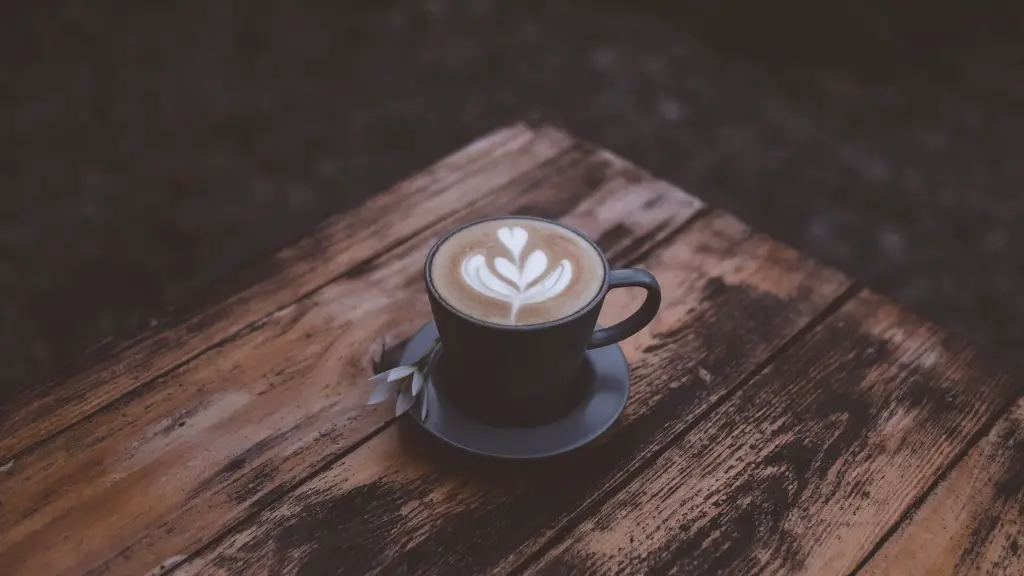
Research, as well as anecdotal evidence, has shown that sleeping patterns may be affected when one stops drinking coffee. Many coffee drinkers use it as an energy boost throughout the day, but the stimulating effects of coffee can disrupt the body’s circadian rhythm, making it hard for your body to fall asleep at night. When this is eliminated, sleep may become more regular.
The good news is that regular and excessive coffee drinkers can reap the benefits of abstaining from coffee as well. Refraining from coffee can reset tolerance and make coffee more effective in the long run. Because coffee isn’t a bodily necessity, it won’t cause any long-term damage to the body and can give your system a break.
What is more, some people have reported clearer skin and fewer headaches after abstaining from coffee. However, this is not necessarily consistent across all individuals. Caffeine increases your blood pressure, and over time, this can lead to an elevated risk of stroke. Therefore, it is advised to consume coffee with moderation.
Effects on Mental Health
Coffee is a stimulant, and people often use it to boost alertness. As such, some may be concerned about withdrawal symptoms like fatigue or difficulty concentrating. On the contrary, there is some evidence that reducing caffeine intake can actually improve mental health. For example, there is evidence that long-term frequent coffee drinkers may experience the effects of caffeine-induced anxiety if they abruptly stop drinking it. Additionally, coffee has been associated with improved performance on cognitive tests and increased alertness. Thus, when you abstain from caffeine, you may experience decreased performance on tests and less alertness.

However, this is only temporary and over time, your system will adjust and you may find yourself feeling better, more alert, and more focused without coffee. On the other hand, caffeine has been shown to negatively affect mood, and too much of it can cause feelings of depression and irritability. Therefore, reducing your caffeine intake can have a positive effect on your mental well-being.
It is also important to remember that caffeine has a diuretic effect, which can lead to dehydration and fatigue. Therefore, abstaining from coffee may also lead to improved hydration and overall energy levels. This can be achieved by drinking more water throughout the day.
Alternative Drinks
If you are looking for alternatives to coffee, there are several options. Tea, such as chamomile, green, or peppermint tea, is a great source of antioxidants and can provide an energy boost in the morning or afternoon. Herbal teas such as hibiscus or ginseng can also be consumed to provide energy throughout the day.
In addition, muscle-relaxing adaptogens can be added to your morning tea routine. Some of these include ashwagandha, licorice root, passionflower, and cordyceps. All of these have been associated with improved mental clarity, focus, and energy levels.

Carbonated water or other sparkling drinks can also provide an energy boost in the morning or afternoon, as well as much-needed hydration throughout the day. Not all of them are 100% caffeine free, but you can opt for a decaffeinated option if you wish. And, of course, there’s always good old-fashioned regular water, which can be enhanced with slices of lemon or cucumber.
These are just a few alternative drinks that may be beneficial after you’ve stopped drinking coffee. In the end, it’s all about finding the right balance and making sure that you’re getting enough fluids throughout the day.
Nutritional Supplements
One other way to make sure that you’re getting the right nutritional balance when you have stopped drinking coffee is by adding a few dietary supplements to your diet. Supplements such as ginseng, guarana, and maca can provide a natural energy boost and can deliver antioxidants, vitamins, minerals and other essential nutrients.
These supplements can help to regulate your energy levels and alertness, as well as providing important nutrients for your body. For example, ginseng is known to help reduce stress and improve mental focus, while maca can increase energy levels and stamina. In addition, guarana can help support healthy brain functioning and provide increased energy.
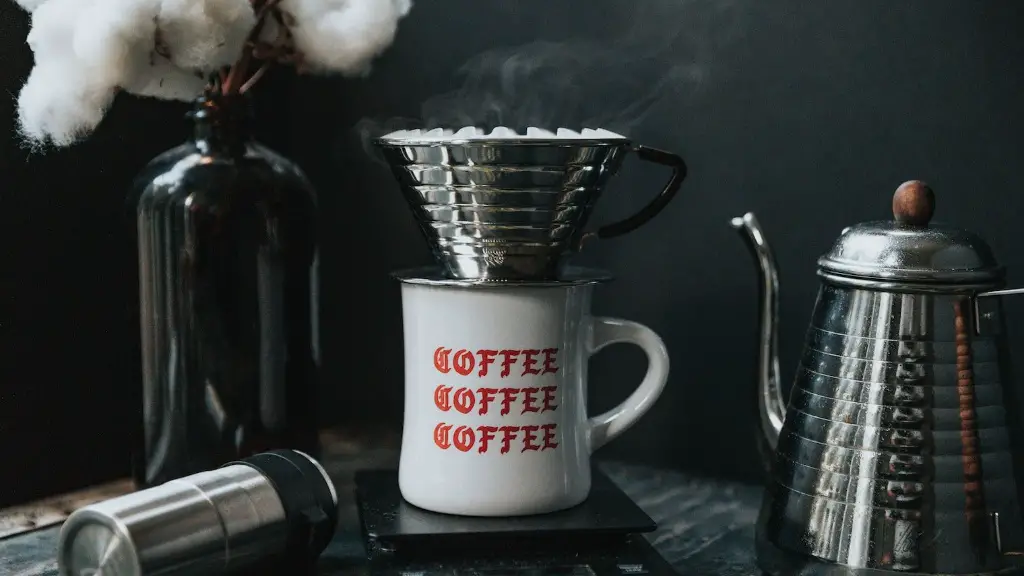
Before taking any dietary supplement, it is important to consult with your healthcare provider to ensure that you are choosing the right supplement and that you are consuming the appropriate dosage. Supplements should be used as part of an overall balanced and healthy lifestyle.
Alternatives to Caffeine
When you’ve stopped drinking coffee, there are other alternatives that can provide an energy boost, without the caffeine. One popular option is matcha, which is a finely ground powder made from green tea leaves and can provide a natural boost of energy, without the jitters of caffeine.
Yerba mate is another popular choice. This herbal tea is made from the leaves of the Ilex paraguariensis plant and is known for its mild stimulant effect. Yerba mate can provide energy but does not contain the same amount of caffeine as coffee. Additionally, yerba mate is rich in antioxidants, making it a healthy choice.
Finally, a healthy and balanced diet can also provide natural energy throughout the day. Eating foods such as nuts, oatmeal, and fruits, and avoiding processed foods, can help to keep your energy up, without the added caffeine.
Considerations

Before pushing away that cup of coffee for good, it is important to consider the pros and cons of giving up coffee. There are some potential benefits to giving it up, including improved sleep and a reset on tolerance that may make the coffee you do drink more effective in the long run.
On the other hand, if you do choose to give up coffee, it is important to make sure that you are replacing it with healthy substitutes. Make sure to get enough fluids throughout the day and replace coffee with alternatives such as teas, waters, or light snacks. Additionally, consider adding dietary supplements to your diet to make sure that you are still getting the essential vitamins and minerals to keep your systems in balance.
In the end, it all comes down to moderation. Too much coffee can have detrimental effects on your health. However, abstaining completely is not always necessary. It is all about finding the right balance and making sure that you’re getting the right fuel and replacement drinks to keep your energy levels steady and your body healthy.
