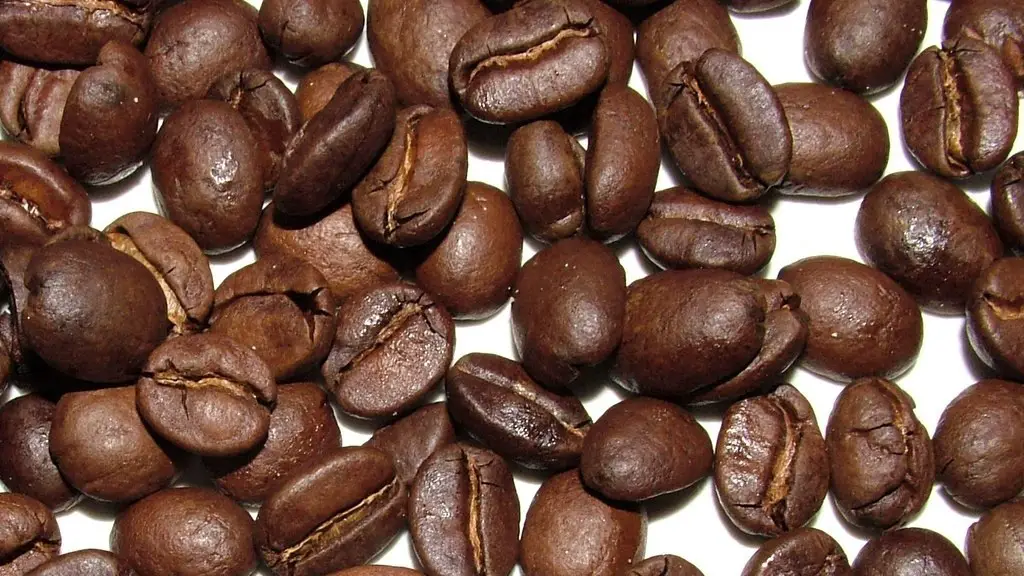
Caffeine is the most widely used psychoactive drug in the world. It’s found in foods and drinks like coffee, tea, chocolate and many energy drinks, and is known for its stimulating, alerting effects. But just how much caffeine is contained in a cup of coffee or can of energy drink? This article looks at the amount of caffeine in different drinks, and which one has more.
According to the US Food and Drug Administration, an 8-ounce cup of regular coffee contains around 95 mg of caffeine. On the other hand, an 8-ounce can of energy drink may contain much more caffeine, with popular brands containing between 50 and 250 mg per can.
Not only does energy drink contain more caffeine than coffee, it often also contains other stimulants, such as taurine and guarana. While these other ingredients don’t technically increase the caffeine content, they may further boost its stimulating effects. In some cases, energy drinks can even contain up to 500 mg of caffeine.

Experts warn against overconsumption of energy drinks because of the potential health risks. High levels of caffeine can lead to nervousness, heart palpitations, insomnia, and other symptoms. It can also interact with certain medications, leading to serious side effects. As a result, it’s recommended to only consume one or two energy drinks per day.
Despite their higher levels of caffeine, energy drinks are not the most efficient way to get an energy boost. This is because many of the ingredients in these drinks are not absorbed very efficiently by the body, meaning it takes longer for the energy to kick in. Coffee, on the other hand, is absorbed quickly and its stimulating effects usually occur within minutes. Although it has less caffeine than energy drinks, this means that it is just as effective at providing an energy boost.
Coffee may be the go-to choice for an energy boost, but it’s important to be aware of the potential health risks associated with high-caffeine drinks. It’s best to consume them in moderation and give your body enough time to rest and recover afterwards. Ultimately, the choice of whether to drink coffee or an energy drink lies with the individual and their own personal preferences.
Differing Advantages
When trying to decide between coffee and energy drinks, some people may be swayed by the fact that energy drinks often taste more palatable than coffee. Many of them have added sugar, fruit flavourings and other ingredients that make them more attractive than a plain cup of coffee.

Despite their more attractive taste, energy drinks don’t outdo coffee when it comes to nutritional value. Coffee is packed with beneficial antioxidants and may even have positive effects on heart health and blood sugar levels, whereas energy drinks don’t offer any real health benefits. Furthermore, coffee is often much cheaper than energy drinks, making it a great option for budget-conscience caffeine-seekers.
When considering sustainability, coffee usually comes out on top. Coffee beans are naturally biodegradable and can be grown without the use of harsh chemicals. Energy drinks, on the other hand, are highly processed and typically have more packaging materials than coffee, and often contain synthetic chemicals that may have a negative effect on the environment.
In conclusion, coffee may have less caffeine than energy drinks, but it has many more benefits that might make it a more attractive option. It’s faster-acting, has no added sugars, and is more environmentally-friendly. Of course, it also depends on individual preference. Some people may find that coffee’s unique flavour profile is not to their liking, and may prefer the taste of energy drinks.
Caffeine Strength
The question remains, when it comes to caffeine strength, does coffee or energy drink offer a bigger kick? The answer, to some extent, depends on the brand of energy drink, as there is a wide variety in terms of caffeine content. For example, Red Bull has 80 mg of caffeine per 8-ounce can, while Monster Energy has 160 mg per can. In comparison, the same amount of coffee has 95 mg of caffeine.

However, the key difference lies in the other ingredients. As mentioned earlier, energy drinks usually come packed with other stimulants such as taurine and guarana, which may further boost its stimulating effects. Coffee does not contain any of these additional ingredients, meaning that the energy boost from a cup of coffee might not be as strong as from energy drinks.
It’s worth mentioning that the caffeine content of coffee and energy drinks varies depending on how they are prepared. For instance, certain coffee brewing methods can yield stronger caffeine concentrations than others. Similarly, energy drinks can be served with more or less soda and ice, depending on personal preference.
In this respect, coffee and energy drinks have different strengths, with coffee offering a more consistent caffeine concentration. On the other hand, energy drinks have potentially higher amounts of caffeine, as well as other stimulants that might further boost its effects.
Caffeine Alternatives
If one is looking for a caffeine boost, but doesn’t want to drink coffee or energy drinks, there are other options. Tea is a great option, as teas like green and matcha are rich in antioxidants and have similar stimulating effects as coffee. Many teas also contain caffeine, but it tends to be in lower amounts than coffee or energy drinks.

In addition to tea, there are now a variety of energy drinks on the market made with natural ingredients. These usually contain no artificial flavours or colours, and often have a lighter taste compared to their synthetic counterparts. Although these natural energy drinks tend to have less caffeine than their synthetic counterparts, they still offer a good energy boost.
Finally, some prefer to take caffeine in a pill form. These pills usually contain between 50 to 200 mg of caffeine, depending on the brand. This can be a great option for those looking for an energy boost on the go, as they are compact and easy to take.
Health Concerns
When considering which drink to choose, it’s important to also consider the potential health risks of high caffeine consumption. As previously mentioned, drinking more than three cans of energy drink per day can lead to nervousness, heart palpitations, insomnia and other symptoms. Coffee has fewer health risks, but it should still be consumed in moderation. It’s best to stick to no more than four cups per day.
When it comes to drinking energy drinks and coffee for a quick energy boost, it’s important to know that not all drinks are equal. Energy drinks usually contain more caffeine and other stimulants, but they may also contain added sugars, flavours and colours. Coffee, though it has less caffeine, is more reliable and may offer some health benefits. Ultimately, it all comes down to individual preference.
Nutrition Value

Ultimately, when choosing between coffee and energy drinks for an energy boost, it’s important to consider nutrition value. Coffee, although it has less caffeine than energy drinks, is packed with antioxidants, which have been linked to numerous health benefits. Coffee can also help protect against heart disease and diabetes, as well as reduce inflammation, improve cognitive function and boost mood.
By comparison, energy drinks are often packed with added sugar, artificial flavours and synthetic ingredients that have little to no health benefits. Plus, they are higher in calories, which can lead to weight gain. For those looking for a healthier option, coffee is the better choice.
Conclusion
Overall, when it comes to caffeine, coffee generally has less than energy drinks. However, it is also more reliable, as its stimulating effects occur quicker and without the risk of any added sugars or synthetic ingredients. On the other hand, energy drinks may offer a bigger energy kick, thanks to their higher caffeine content and additional stimulants. Ultimately, the choice between the two lies with individual preference. What’s important to remember is that both should be consumed in moderation, as consuming too much of either can lead to health risks.
