Brewing Coffee at Home
For those who enjoy their daily cup, learning the basics of brewing at home can be an enjoyable, cost-efficient way to enjoy their favorite beverage. There are a range of common types of coffees that can be made using different methods. As a general rule, cold-brewed coffee requires more time to prepare, and involves steeping grounds in water for 8-24 hours in a refrigerator and then filtering the grounds out. Hot-brewed coffees use a similar process, but with hotter water in a shorter period of time.
Manually brewed coffee is generally preferable due to the fact that the user has control over the temperature of the water, the grinding size of the beans or the time the grounds steep. Examples of manual brewing methods include AeroPress, French press, pour-over and siphon-pot. These methods are often preferred by experts for the fact that the individual components of the process can be changed to suit individual tastes.
Espresso-based drinks, on the other hand, generally need professional-grade equipment to produce correctly. Drinks like lattes, cappuccinos and macchiatos are based off of espresso shots that require hot water at a pressure of 18-22 bar in order to achieve the correct crema. Moka pots are more primitive versions of espresso machines intended to make smaller batches, but without the pressure, they are not actually considered true espresso.

Fancy coffee drinks, such as a Salted Caramel Mocha or a Vanilla White Chocolate Mocha, are made with a combination of espresso, flavored syrups, creamers, and other ingredients. Common ingredients also include cocoa, caramel sauce, and cream. Adding textural varieties to these drinks such as whipped cream, crushed nuts, or espresso beans can also make for an interesting coffee drinking experience.
It’s important to note that coffee drinks can be tailored to individual tastes in terms of sweetness, creaminess, and flavor intensity. Simple additions like almond milk, vanilla extract, honey, or extra grounds can easily be done at home with a few common ingredients. Of course, at-home brewing also comes with caveats: as with most do-it-yourself projects, it takes time to learn the necessary methods and often requires some experimenting, but with a little patience, the rewards are worth it.
Cold Brew
Brewing with cold water is often preferred due to its smoother taste and mouthfeel, as well as its lower levels of acidity. Because cold water works more slowly at extracting the compounds that make up coffee’s flavor and complexity, the resulting cup has less intensity but is more subtle in taste. As a result, creamers, sweeteners and other add-ins can more easily be incorporated.
Making cold brew is generally a very simple process. All that’s needed is cold water, coarsely ground coffee beans, and a container with a lid, such as an air-tight Mason jar, or a dedicated cold brew maker. Typically, between 1/3 and 1/2 cup of coarsely ground beans are added to the water, with 1/4 cup for every 4 cups of cold water being a reasonable ratio. After adding the grounds, stir the mixture until the grounds are fully saturated, then close the vessel and let it steep in the refrigerator for anywhere between 8-24 hours.
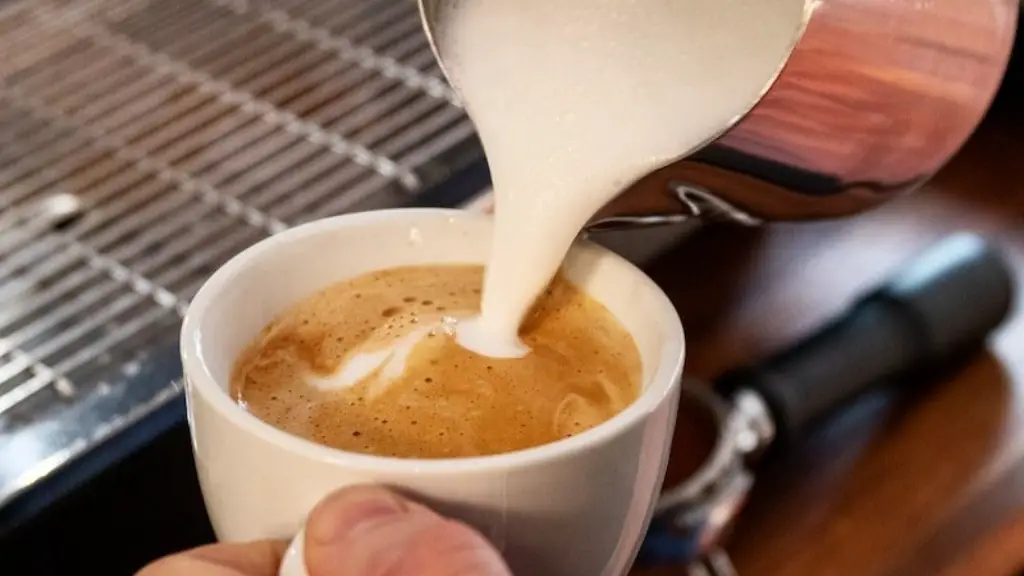
Once the steeping is complete, the next step is to filter out the grounds. To do this, it can be poured into a strainer or lined paper filter over a pitcher. Finally, the resulting cold brew can be enjoyed straight, iced, or with any additions of choice.
Nitro Coffee
Nitro coffee is cold-brewed coffee that has been infused with nitrogen, which gives it a creamy, velvety texture, and the same foamy top as draft beer. This makes the coffee exceptionally drinkable and enjoyable, particularly when served with ice on a warm summer day. Nitro cold brew has become increasingly popular over the past few years due to its unique flavor and creamy texture, and it is also characterized by a tactile sensation in the mouth that results from the nitrogen bubbles.
This type of cold brew requires more specialized equipment than a typical Mason jar setup, and may require a special nitro brew machine, nitrogen gas tanks and a stout faucet. Purists may be put off by the nitrogen infusion step, which some believe imparts a bitter flavor. While this is certainly a matter of personal preference, it’s important to remember that nitro coffee is still made out of cold-brewed coffee and that its benefits—rich, creamy texture and increased shelf-life—are well worth the added effort for those who enjoy them.
Espresso-Based Drinks
Espresso-based coffee drinks result from forcing pressurized hot water through finely-ground coffee beans, which results in a concentrated form of coffee that is often used as a base for other drinks. These types of drinks are popular for their intense flavor and creamy texture, as well as the versatility that comes with espresso-based preparations. Popular espresso-based drinks include lattes, cappuccinos and macchiatos.

A traditional latte is made using 1-2 shots of espresso, steamed milk and a small amount of foam. Cappuccino is a similar drink, with 1-2 shots of espresso, steamed milk and additional foam. The macchiato is a more intense espresso-based drink made with 1-2 shots of espresso and a small amount of milk. The milk used in all of these drinks is usually either whole milk or a combination of milk and cream, although non-dairy milk can also be used if desired.
Generally, espresso-based drinks require more skill to prepare correctly than other types of coffee, and typically involve a high-quality milk frother, as well as quality espresso coffee beans. However, with practice, anyone can learn to make them, and the result is often a delicious and enjoyable coffee experience.
Coffee Cocktails
The recent trend in specialty coffee has spread to include alcoholic coffee drinks. Referred to as coffee cocktails, there are many creative ways to combine these two ingredients together for an enjoyable experience. For example, an Espresso Martini involves vodka, coffee liqueur and a shot of espresso, while an Irish Coffee is a combination of whisky, sugar and hot coffee.
Coffee cocktails usually involve a moderate amount of caffeinated liqueurs as a base, but there are countless variations that cater to different tastes. Many recipes involve simple ingredients like liqueurs, cream, flavored syrups, and bitters. One of the benefits of combining these two ingredients is that the coffee can help to reduce the impacts of alcohol, while the liqueur can give the coffee an interesting flavor twist.
Modern coffee culture has spawned a range of ever-evolving coffee cocktail recipes, ranging from the simple to the complex. Choosing a favorite often comes down to personal preference, as different mixes will bring out different characteristics of the colors, flavors, and finishes of the ingredients used. Experimenting with different combinations can be a fun and rewarding way to explore the unique possibilities of coffee cocktails.
Other Uses for Coffee
Coffee has become an everyday part of life for many people around the world, but there are also some unusual and creative uses for the humble bean. Coffee itself can be brewed with a variety of different techniques, and it can even be used as a food ingredient in savory dishes, such as chili or Mexican mole sauces. Coffee grounds can also be used as a dry rub for meats, or mixed with brown sugar to make a barbecue seasoning.
In addition, leftover coffee grounds can be repurposed for a variety of uses around the home, such as a fertilizer for plants, as an odor neutralizer, or even as a skin exfoliant in homemade face or body scrubs. Coffee grounds can also be used as an abrasive for removing tough stains on kitchen surfaces, or to remove tarnish from silverware. More often than not, the grounds are literally worth more than the cup they come in.
Although it may come as a surprise to many, there are tons of great reasons to keep those old coffee grounds around. Whether used as a kitchen tool, skin care product, or food ingredient, coffee grounds offer a plethora of unusual and creative uses that can be utilized in the home.