
Most coffee connoisseurs would agree that one of the most important aspects when it comes to enjoying a good cup of coffee is the time of day that you drink it. Many people believe that drinking coffee first thing in the morning will give you an extra boost of energy and clarify your mind. But the truth is that everyone’s physiology is different and their body responds differently to caffeine and other components in coffee.
According to research in the journal Psychopharmacology, the best time to drink coffee is actually between 9:30 and 11:30 in the morning. This period of time corresponds with when cortisol, a hormone released by the adrenal glands to regulate the sleep-wake cycle, is at its lowest point. When caffeine is consumed at this time, it takes advantage of the body’s natural rhythm and helps it to stay alert without disrupting it.
The next best time to have coffee is between 12:30 and 2:30 in the afternoon. This is when cortisol levels start to rise again. However, the second half of the day is not a great time for coffee regardless of cortisol levels. Research suggests that caffeine intake can interfere with sleep and circadian rhythms, leading to decreased sleep efficiency and worse overall quality.
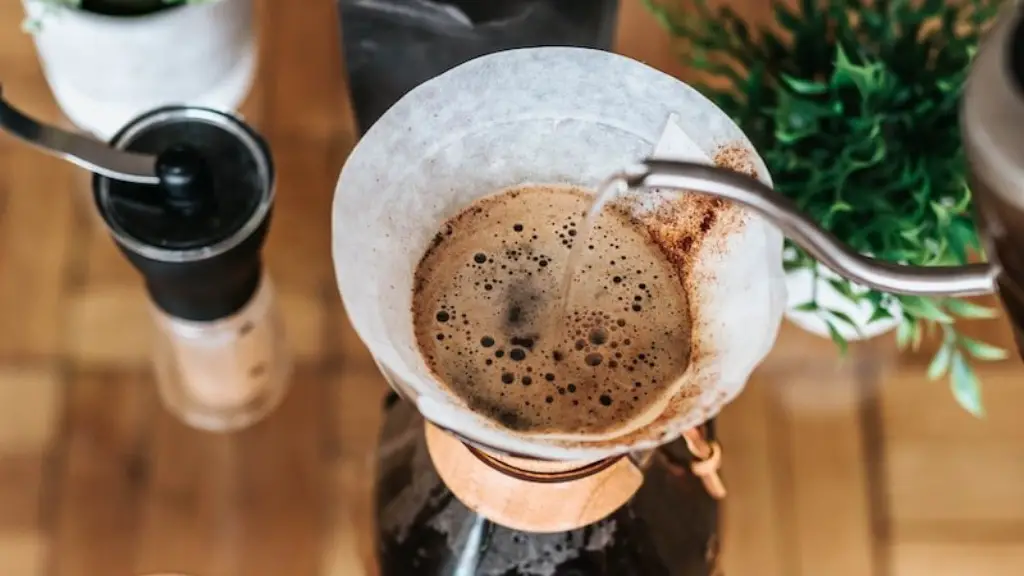
In addition to timing, a few other factors contribute to having the best coffee experience. For example, the kind of coffee bean that is used, the brewing temperature and brewing method, and the amount of coffee used all play an important role in the final product. Similarly, the right kind of milk and sugar, as well as the way they are incorporated into the coffee, can take the flavor to the next level.
In spite of all these considerations, there is no one-size-fits-all answer as to when is the best time to drink coffee. Some people may need the additional boost that a cup of coffee provides when they wake up in the morning, while others may find it difficult to wind down in the evenings if they’ve had any caffeine after lunch. Ultimately, it’s up to individuals to determine which time of day works best for them, based on their lifestyles and preferences.
Coffee Intake Frequency
While many people like to start their day off with a cup of coffee, too much of a good thing can obviously be bad. Too much caffeine has been linked to anxiety, reduced cognitive function, and an increased risk of developing certain types of cancer.
So it’s important to be mindful of the frequency in which one consumes coffee. Although it’s up to personal preference and individual lifestyles, the general rule of thumb is to limit oneself to no more than two or three cups per day.
Also, people should take into consideration the other sources of caffeine they are consuming from energy drinks, teas, sodas, and chocolate, as well as other foods that contain caffeine. All these sources of caffeine can add up quickly, so it’s best to keep track of one’s caffeine intake and adjust as needed.
By doing so, you can be sure to make the most out of your coffee consumption and stay energized and alert all day long.
Effects of Low-grade Coffee
Another important factor to consider when it comes to having the best cup of coffee is the kind of coffee being used. Ideally, you want to buy coffee beans that are ethically sourced and freshly roasted. Low-grade coffee that has been sitting on supermarket shelves for years will not do.
Low-grade coffee can also lead to increased levels of coffee acidity in the stomach, ruining coffee’s famously pleasant taste and potentially causing acid reflux. Not only that, coffee beans harvested from different countries contain various levels of antioxidants, which can have different effects on your body.
For instance, coffee from Ethiopia is believed to have more antioxidants than coffee from India or Brazil. Therefore, it is best to try different kinds of coffee and find the one that was best suited to your particular taste. Doing so can ensure the most optimal coffee drinking experience.
Coffee Drinking Rituals
Finally, coffee doesn’t only have to be about the time of day when you drink it. It can also be approached as a ritual to be enjoyed. Taking the time to enjoy a cup of coffee without rushing through it can turn coffee-drinking into an art form. Taking in the smell, taste and various aromas of the coffee can be an elevating experience and be greatly beneficial for mental clarity and overall well-being.
Creating an enjoyable coffee-drinking ritual for yourself is an excellent way to start the day or simply relax. This can be done with some mindful steps, like taking some time to enjoy the smell of the coffee before even taking a sip, or making sure not to rush the process and savor each sip.
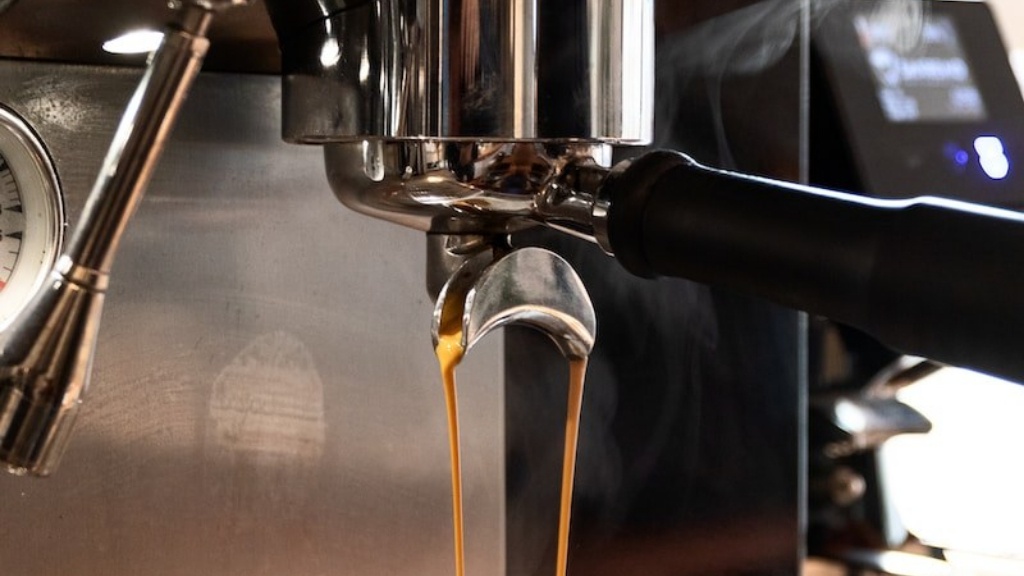
Different brewing methods such as pour-over, French press, espresso, and cold brew can give you a vast variety of flavors and aromas to choose from, allowing you to explore and enjoy coffee in its many forms.
A Perfect Cup of Coffee

When all these factors are taken into consideration, enjoying the perfect cup of coffee is possible. Knowing the best time of day to drink coffee and creating a pleasant drinking ritual out of it can be a great way to start the day or wind down in the evening, depending on the time you drink it.
On the other hand, it is important to be aware of the number of cups of coffee one consumes each day, as well as the kind of coffee being used. Additionally, other sources of caffeine and foods that contain caffeine should also be taken into account and factored into one’s daily intake.
By following all these tips, anyone can make sure to enjoy the best cup of coffee no matter when they choose to drink it.
Mental and Physical Benefits of Coffee
Coffee is one of the most commonly consumed beverages in the world, and there’s a good reason for that. Aside from its delicious taste and energizing properties, drinking coffee has many mental and physical benefits that can improve one’s overall health.
Caffeine, the main active ingredient in coffee, has been linked to improved mood, better concentration and thinking skills, as well as improved physical performance. It can also reduce the risk of various diseases like Type 2 diabetes and multiple sclerosis, and help improve liver health.
However, many of these health benefits only occur if the coffee is consumed in moderate amounts, meaning no more than three cups a day. Consuming more than that can have the opposite effect, leading to increased levels of anxiety, insomnia, and even digestive problems.
As such, it is important to be mindful not only of the time something is consumed but also the quantity of caffeine one takes in. Doing so can put anyone in an optimal position to reap the many benefits of coffee.
Environmental Impact of Coffee
What many people don’t think about when drinking coffee is the environmental impact it has on the planet. Studies show that coffee production contributes to global warming, land degradation, and water pollution. Most of the coffee consumed today comes from tropical areas, where deforestation is a major issue.
Deforestation decreases the diversity of species in the area, which in turn increases the risk of extinction. What’s more, the production of coffee plants tends to require large amounts of pesticides, chemicals, and fertilizers, which not only pollute the environment but also damage the health of coffee farmers.
Fortunately, more and more coffee companies are taking the initiative to reduce their environmental impact. By implementing sustainable practices, coffee companies can reduce their carbon footprint, as well as ensure that their beans are ethically sourced from farmers who are paid a fair wage.
Organizations like the Sustainable Coffee Challenge and the Rainforest Alliance are leading the charge towards a more sustainable coffee industry, by promoting the use of zero-tillage farming, water-efficient processes, and good labor standards.
In conclusion, when it comes to enjoying the best cup of coffee, it’s not only about the time of day when one drinks it, but also the rituals we create around it and the type of coffee that is used. Additionally, it is important to be aware of the environmental and social implications of coffee production, so as to support sustainable and equitable practices.
