
What Time of Day Should I Stop Drinking Coffee?
For people who consume coffee on a regular basis, it can be difficult to determine when the best time is to stop drinking it during the day. While there is nothing wrong with the occasional cup of coffee, it can be detrimental to sleep quality and energy levels if over-consumed. Furthermore, knowing when to quit and when to start can be difficult to navigate. Understanding when to have your last cup of coffee and how to adjust your caffeine intake is necessary in order to find a healthy lifestyle balance.
Coffee contains caffeine, a naturally occurring stimulant found in plants, which when consumed produces alertness, improves vigilance, and can temporarily suppress feelings of fatigue. However, caffeine can have adverse effects at certain times of the day. Caffeine has a half-life of between 4-6 hours, meaning it can stay in the body for up to 12 hours after consuming. It is also important to note that different people react differently to caffeine, meaning what’s ok for one person might be too much for another. With that in mind, here are some crucial tips for adjusting your caffeine intake.
Know Your Limit
The amount of caffeine you should consume will vary from person to person. The United States Food and Drug Administration (FDA) recommends that 400 milligrams of caffeine be the maximum amount consumed per day. Since the average cup of coffee contains around 95 milligrams of caffeine, this is roughly four to five cups per day. However, caffeine sensitivity can vary, so it may be wise to adjust this limit based on how you are feeling.

In addition to personal caffeine needs, it’s important to also take into consideration other factors, such as stress levels and sleep habits. It is generally recommended that people try to consume most of their caffeine earlier in the day, as the effects can interfere with sleep. Your body needs to be in a relaxed state for you to get the best quality sleep, so it is better to have your last cup of coffee at least six hours before bed.
Acknowledge Your Timing
Not all times of the day are equal when it comes to caffeine consumption. Researchers have found that the most effective times of day to consume caffeine are between 9:30am and 11:30am as this helps offset the natural decline in alertness around mid-morning and early afternoon. Furthermore, the same study concluded that caffeine consumed in the evening had a stronger effect on alertness than the same amount consumed in the morning.
This suggests that the later in the day you drink your coffee, the more intense the effects may be. Therefore, the best practice is to consume your coffee earlier in the day and to not exceed the recommended 400 milligrams of caffeine per day. That way, you can ensure you are getting the desired alertness without the risk of over-stimulation.
Attempt to Cut Back Gradually
If you find yourself drinking too much coffee during the day, then it’s best to slowly and gradually reduce your intake. Reducing caffeine slowly will give your body time to adjust and allow you to minimize the withdrawal symptoms (e.g. headaches, fatigue, low mood) associated with lowering caffeine levels. Also, it’s helpful to occasionally have caffeine-free days throughout the week to help the body readjust to a new level of caffeine.

One way to reduce your caffeine intake is to switch up the types of coffee you are consuming. For example, switch from caffeinated coffee to decaffeinated coffee or try different types of herbal teas. Also, decreasing the amount of cream or sugar added to coffee can help decrease the total amount of caffeine consumed each day. Lastly, drinking coffee with a healthy meal, such as breakfast, can be beneficial as it can help prevent from drinking too much coffee later in the day.
Be Aware Of Other Beverages
It is important to remember that caffeine can also be found in other beverages and foods such as tea, chocolates, and energy drinks. If you are trying to limit your caffeine intake, it is therefore important to also take into account these other sources of caffeine. Furthermore, it is best to avoid caffeinated beverages during the late afternoon and evening, as this can disrupt your sleep.
In conclusion, it is best to know your limit and be aware of the types and times of caffeine consumption in order to have an overall healthy balance. While the FDA recommends 400 milligrams per day as a general guideline, it is important to adjust this number to fit your personal needs. Lastly, gradually reduce consumption and monitor your energy levels in order to determine the best time and amount of caffeine consumption for you.
Switch Up Your Coffee
If you find yourself drinking too much coffee, switching up your coffee can help. For example, try different types of coffee beans or espresso blends to switch things up from the standard coffees you generally drink. Not only does this add some variety to your coffee routine, but it can also help reduce the amount of caffeine you consume. Furthermore, switching up the type of milk or cream you use can help to decrease the overall caffeine intake.
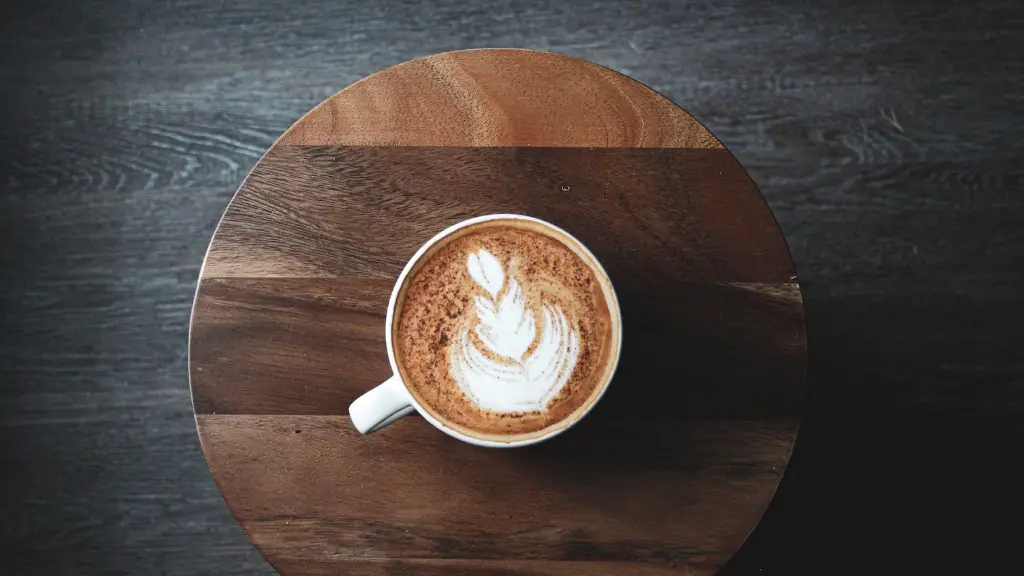
In addition, adding spices to your coffee like cinnamon, nutmeg, or cardamom can boost the flavor without the need for excessive amounts of cream or sugar. This will also help decrease your overall caffeine intake as spices have no caffeine content. Lastly, it’s important to remember that ordering a larger size of your favorite drinks can double or triple the amount of caffeine you are consuming, so it’s best to stick to the recommended servings.
Understand the Benefits of Caffeine
Caffeine can provide energy and focus when consumed in moderation and provide physical and mental benefits. According to researchers at Johns Hopkins University, caffeine can help improve overall mood and alertness, among other things. Furthermore, caffeine can also improve mental performance such as memory and reaction time.
Similarly, this stimulant can also help improve physical performance and endurance. A study found that caffeine intake significantly increases skeletal muscle contractions and indicates that caffeine can boost physical performance. This makes caffeine a great pre-workout ingredient. Moreover, caffeine can also help lower the risk of chronic conditions, such as cancer and diabetes. So, while it’s important to practice moderation, the benefits of caffeine should not be overlooked.
Mindful Consumption
It is important to consume coffee in a mindful way in order to maximize the benefits and reduce any potential risks. Being mindful of how much and when caffeine is consumed can help ensure that you are best utilizing caffeine for a healthy lifestyle. It is also important to understand that caffeine affects people differently and that it may take some experimenting to determine the best way to consume it. Lastly, it is important to keep track of your caffeine intake and remember that the FDA recommends 400 milligrams of caffeine be the maximum amount consumed per day.
Be Aware Of Alternatives
Sometimes a change of scenery can make all the difference when it comes to a morning caffeine routine. If you find yourself in need of a break from coffee, many consider taking up a tea drinking habit. Tea has lower caffeine levels than coffee, but still provides a boost of energy and alertness to get you through the day. Additionally, there are many different types of teas to try such as green tea, oolong tea, chamomile tea, or black tea.
In addition to tea, there are also some caffeine free alternatives, such as matcha and herbal tea. Matcha is a powdered form of green tea that is rich in antioxidants and is believed to help boost metabolism. Furthermore, herbal teas provide benefits such as increased relaxation and can help to soothe an anxious mind. Some herbal tea options include peppermint tea, ginger tea, and chamomile tea.
Personal Reflection
Overall, understanding how and when to drink coffee is key to maintaining a healthy lifestyle. Before drinking coffee, it’s important to consider the potential risks, such as sleeping problems or anxiety. It is best to take note of the amount of caffeine consumed and to adjust accordingly. It’s also important to keep in mind the benefits of caffeine, whether it be physical or mental performance or overall mood enhancement.
Finally, it is often beneficial to take a break from coffee every once in a while and try a healthier alternative. Learning to be mindful of caffeine consumption is essential in order to find a balance and make the most out of the coffee drinking experience. Everyone day-to-day needs for, and reaction to, caffeine is unique and should be taken into consideration when determining when to have your last cup of coffee each day.
