Why Should You Limit Your Caffeine Intake?
Coffee is widely seen as a pleasurable beverage, consumed in order to help people stay awake, enjoy better concentration and improve their mood. The caffeine content in coffee often provides its drinkers with an energizing effect, and can be a good way of starting off the day. However, it is also important to remember that excessive caffeine consumption can be a source of anxiety and other health problems. Therefore, it is important to be aware of when to stop drinking coffee and how much coffee one should consume daily.
How Caffeine Affects Your Body
Caffeine is a stimulant drug and works by blocking the effects of a molecule in the brain, called adenosine. This compound usually makes you feel more tired, so when caffeine is consumed; it blocks the effects of adenosine and makes you more alert. However, while caffeine can improve alertness and mood, it can also cause restlessness, irritability and anxiety if consumed in excess. In addition, too much caffeine can have an impact on your heart rate and blood pressure levels.
What is the Recommended Amount of Coffee to Consume?
The recommended amount of coffee to consume daily varies according to a person’s weight and sensitivity. Generally, the maximum recommended caffeine intake per day is 400 mg. However, this amount can vary depending on individual body weight and sensitivity. For some people, even small amounts of caffeine can cause jitteriness, nervousness and insomnia. Therefore, it is important to be aware of your body’s sensitivity to caffeine and adjust your daily intake of coffee accordingly.
What Time of the Day Should You Stop Drinking Coffee?
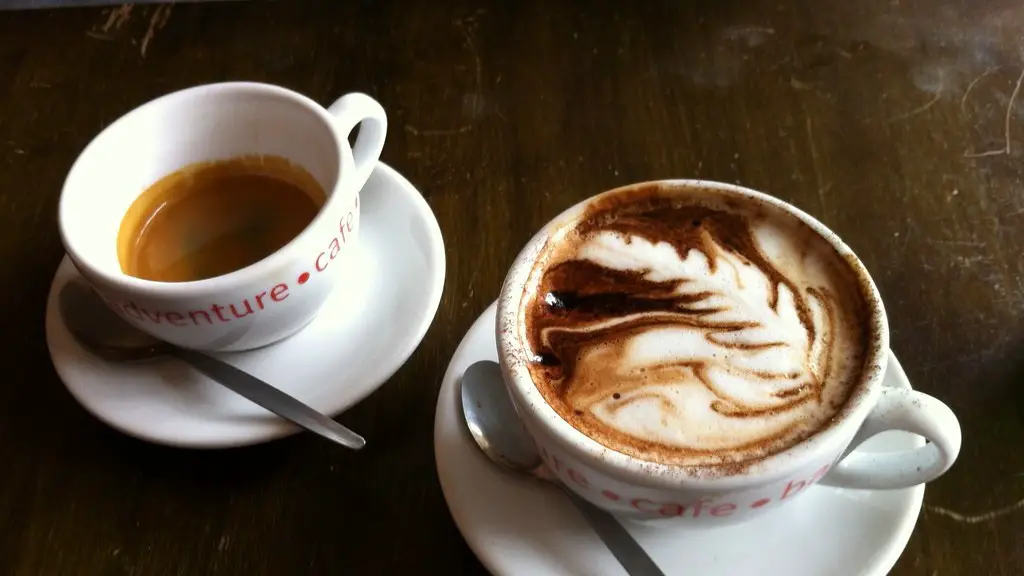
It is generally recommended to stop drinking coffee late in the afternoon or early evening. This is because caffeine can have a stimulating effect that can make it difficult to relax or fall asleep. Depending on the individual, some people may even benefit from stopping coffee in the morning or early afternoon. Whenever you decide to stop drinking coffee, it is important to remember to take a break from caffeine every once in a while. This will make it easier to avoid consuming excessive amounts of caffeine.
What Types of Caffeine Alternatives are Available?
If you find yourself consuming too much coffee or cannot stop drinking coffee late in the afternoon, it is important to consider incorporating other caffeine alternatives into your routine. Many people enjoy herbal teas throughout the day as these provide a more subtle and calming caffeine boost. Drinking herbal teas such as chamomile, peppermint, and lemon balm can help reduce stress, improve mood, and support sleep quality. Additionally, alternatives like decaffeinated coffee, green tea and matcha tea may also be good options for those looking for a milder caffeine boost.
Are There Additional Health Benefits of Stopping Coffee Late in the Day?
Yes, stopping coffee late in the day provides additional health benefits beyond simply improving your sleep quality. Avoiding caffeine later in the day can lead to fewer headaches, improved cognitive functioning and a better mood. Additionally, those who stop drinking coffee late in the day may also find that their energy levels increase. This is because caffeine is a stimulant, and too much can cause a ‘crash’ later in the day. Therefore, it is important to time your caffeine consumption appropriately in order to maximize its benefits.
Should You Consider Cutting Out Coffee entirely?
It is important to note that everyone has different caffeine sensitivities. Therefore, in some cases, cutting out coffee entirely may be beneficial to one’s health. Some people may find that cutting out coffee helps reduce anxiety and boost their energy levels. Additionally, this may also be advantageous for those who are particularly sensitive to caffeine. It is important to remember that in order to reap the benefits of cutting out coffee, it is necessary to find appropriate alternatives in order to maintain an appropriate level of alertness throughout the day.
What Habits Can You Incorporate To Improve Your Coffee Drinking Routine?

Incorporating certain habits into your coffee drinking routine can help to ensure that you are not consuming excessive amounts of caffeine and that you are managing your intake appropriately. For instance, it is important to be aware of any concurrent medications or supplements that may have caffeine in them. Additionally, drinking coffee earlier in the day can lead to improved energy levels and better sleep quality during the night. Finally, trying to limit your caffeine intake after 3 or 4pm can help reduce any negative effects associated with excessive caffeine consumption.
What Alternatives Methods Can Be Used To Increase Energy Levels?
While caffeine can provide an energy boost, excessive consumption can lead to a ‘crash’. Therefore, it is important to consider alternative methods to increase energy levels. Some people find that regular exercise, wholesome eating and good sleep hygiene can help regulate energy levels more effectively then caffeine. Additionally, some people may benefit from supplements such as vitamin B12 or omega-3 fatty acids; these can provide boosted energy throughout the day without having to consume caffeine.
What Effects Does Caffeine Have On Mental Health?
While caffeine can provide an energy boost, it can also cause restlessness, jitteriness, or make it harder to concentrate. Additionally, excessive caffeine consumption can lead to feelings of anxiety, stress, and depression. This can be especially challenging for those who have underlying mental health issues; excessive caffeine consumption can worsen the symptoms of mental illnesses such as depression or anxiety. Therefore, it is important to moderate caffeine intake to ensure that it is not interfering with one’s mental wellbeing.
What Natural Caffeine Alternatives Can Be Used To Decrease Anxiety?
If you find yourself feeling anxious or overwhelmed, natural alternative may help to reduce these symptoms. Herbal teas such as chamomile, passionflower and ashwagandha are known to have calming effects and can aid relaxation. Additionally, supplements such as magnesium, omega-3 fatty acids, or probiotics can also help to regulate anxiety and reduce stress. Therefore, it is important to consider these options when looking for alternatives to caffeine intake.
What Effects Does Caffeine Have On Physical Health?
In addition to impacting mental wellbeing, caffeine can also affect physical health. Excessive caffeine consumption can lead to increased heart rate and blood pressure, which can result in various cardiovascular problems. Additionally, caffeine is a diuretic; overconsumption of coffee can lead to increased urination and dehydration. Therefore, it is important to be mindful of one’s caffeine intake and the possible effects on physical health.
Are There Any Other Caffeine-Free Beverages One Can Enjoy?
Although coffee is a popular drink, there are also several other beverage alternatives without caffeine. Herbal and fruit teas are a great option for those who are looking for a caffeine-free alternative. Furthermore, there are many different types of hormone and decaffeinated coffee drinks available on the market as well as alternatives made from barley, chicory and wheatgrass. Therefore, there are many options available to those looking to avoid caffeine.