
Consuming too much coffee can be hazardous to your health. While some experts recommend limiting intake to no more than two cups a day, for some people excessive coffee intake can lead to physical and mental health issues, such as headaches, digestive issues, and sleep problems. But before you decide to stay away from your beloved beverage altogether, take some time to evaluate what might be driving your excessive intake and think about how you can make changes to improve your overall health and wellness.
Caffeine is a stimulant, and as such, it can have short-term benefits, such as providing energy, improving alertness, and improving mood. But too much caffeine can lead to intense jitters, disrupted sleep, and dehydration. To address these issues, it’s important to understand why you are drinking too much coffee and to evaluate the type of coffee you’re consuming.
There are several reasons why you may be drinking too much coffee. Perhaps you are using it as a replacement for sleep, or maybe you are under a lot of stress and using it to cope. Excessive coffee consumption can also be a sign of a more serious underlying health issue, such as depression or an anxiety disorder. If you think this might be a factor in your coffee consumption, talk to a healthcare professional.
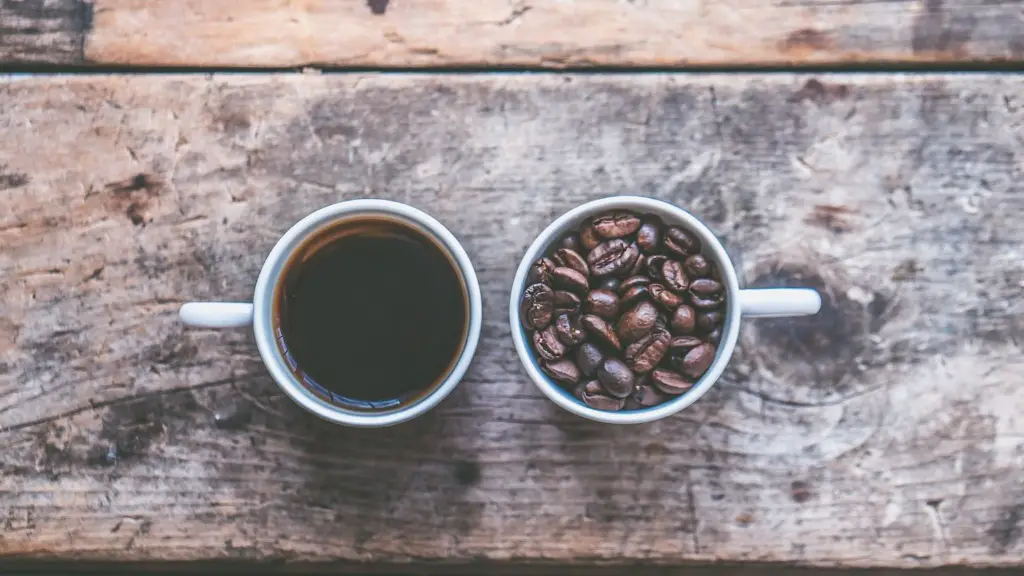
It’s also important to evaluate the type of coffee you’re drinking. Some coffees are high in calories, sugar, and fat, which can have a negative effect on your health. Look for low-calorie, unsweetened coffees instead. Additionally, if you have trouble limiting your consumption, consider switching to decaf or trying herbal tea options.
Finally, if you are drinking too much coffee due to stress, it is important to find other ways to manage it. Regular exercise, relaxation techniques, and getting enough sleep can all help to reduce stress levels. Additionally, it is important to take breaks from caffeine throughout the day and focus on behaviors that can help support mental health, such as connecting with friends and family, engaging in fulfilling activities, and taking time for yourself.
Managing Intake
In order to limit coffee intake and reduce any potential health risks, start by evaluating what types of coffee you’re drinking and why. There are many factors that can have an impact on coffee consumption and it is important to identify the ones that are driving your habits. Additionally, keep track of how much coffee you are consuming and look out for any negative symptoms that may arise.
Consider also experimenting with different types of coffee. Many coffee shops offer alternative drinks that contain lower levels of caffeine. Additionally, herbal teas can provide a good alternative to coffee and are often much lower in calories and sugar. Furthermore, there are a variety of decaffeinatedcoffee options available. Switching to decaffeinated coffee or herbal tea can help to reduce your daily intake without giving up the delicious taste of your favourite beverage.

Finally, keep in mind that you don’t need to give up coffee entirely. Just be mindful of your intake and look for healthier options. Even when you feel that you have gone overboard on your daily intake, remember that it is not the end of the world. A balanced approach is the key to a healthy lifestyle.
Replacing Coffee
There are a variety of other ways to get your day started off right without turning to coffee. Spicy herbal teas like ginger are known for their energizing effects, as are fresh fruit juices or smoothies. And when you need an afternoon pick-me-up, try green tea or an herbal infusion like chamomile or peppermint. All of these drinks can provide a steady, balanced boost of energy without the jitters or negative health effects that come with excessive coffee consumption.
It can also be helpful to find activities that can help you feel alert without depending on caffeine. Exercise can be a great way to boost energy levels and increase alertness. Additionally, try to establish an early bedtime and wake up routine to get the restorative sleep your body needs. Even just a few minutes of mindful breathing or gentle stretching can really help reduce stress and provide enough energy to get you through the day.
Overall, it is important to listen to your body and establish a healthy caffeine routine. Making small changes that fit into your lifestyle and finding other ways to naturally boost your energy can help you to reduce your coffee intake and still feel energized.
The Benefits of Limiting Intake

When you are consistently drinking too much coffee, it can be difficult to determine the impact it may be having on your overall health. While you may think your favorite beverage is harmless, there are several potential health risks associated with excessive consumption, including headaches, impaired sleep, and dehydration. Limiting your intake and finding other ways to stay energized can help reduce these risks and keep your health in check.
Additionally, reducing your coffee intake can help to reduce stress levels. Many people rely on coffee as a way to cope with stressful situations, but this can only lead to further stress in the long run. Making small changes in how and how much you are drinking can make a big difference in the way you feel, both physically and mentally.
Furthermore, cutting down on coffee consumption can help to improve digestion. Caffeine is known to disrupt the body’s natural balance and can lead to digestive issues, such as an upset stomach or bloating. Limiting your intake can help to keep your digestive system functioning optimally.
Staying Hydrated
One of the most important steps in reducing the negative effects of coffee consumption is to stay hydrated. Swapping out one cup of coffee for a glass of water can help to reduce the anxiety and headaches that can come from consuming too much caffeine. Additionally, staying hydrated can help to improve your energy levels, keep your skin looking its best, and flush any toxins out of your system.

If you’re struggling to drink enough water, try adding hydrating fruits and vegetables to your diet. Citrus fruits, cucumbers, and watermelons are all excellent sources of hydration and can keep you feeling your best throughout the day. Additionally, adding some fresh mint leaves to your water can make drinking water more enjoyable.
Finally, don’t forget to take breaks from caffeine throughout the day. Alternating between caffeinated and decaffeinated drinks can help you stay alert without putting too much strain on your body. Additionally, taking a few minutes to focus on some mindful breathing or stretching can help you to reduce stress levels and keep your energy up.
