
What’s a Healthy Coffee?
Coffee is an important part of culture worldwide. For many people it is an essential morning pick-me-up to help get them through the day. Unfortunately, many of the coffees at our disposal are loaded with unhealthy elements such as refined sugars, unhealthy fats, processed chemicals, and artificial flavors. But there are ways to make your coffee healthier, to drink it without worrying about unhealthy ingredients.
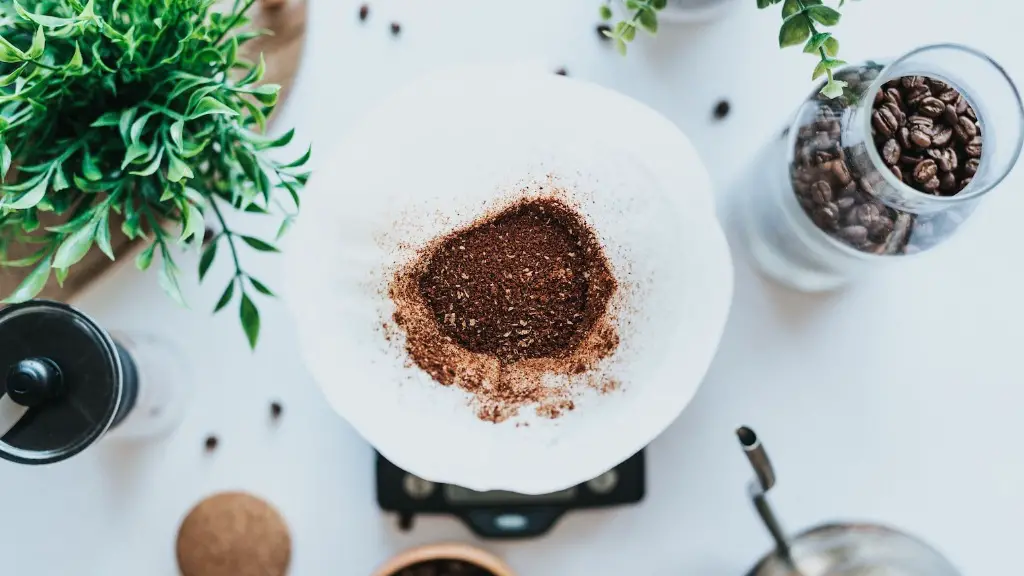
A great way to make your coffee healthier is to start with a good quality coffee. Quality beans can be found at many specialty stores. Make sure to get organic, shade-grown coffee beans, as these are better for the environment and have better flavor. Additionally, look for beans with no pesticides, herbicides, or other chemicals. Many also swear that cold brew coffee has more flavor, and is also smoother and easier to digest.
When it comes to creamers, opt for a healthier alternative such as almond or coconut milk. These milks are low in calories, and can even add a unique flavor to your coffee. If you need a sweeter pick-me-up, try adding some raw honey or a sugar substitute such as Monk Fruit sweetener. These natural, lower-calorie sweeteners still allow you to enjoy the sweetness of your beverage without all the calories.
Adding healthier toppings such as cinnamon or nutmeg can also help bring out the full flavors of a cup of coffee. The proteins, omega fatty acids, and minerals in these spices can also help to promote a healthier lifestyle. Natural flavorings and syrups, such as hazelnut or vanilla, are also great ways to make your coffee healthier. Finally, if you don’t like the taste of plain coffee, adding some low-fat almond butter can still make for a healthier alternative to a sugar-filled flavored coffee.
In conclusion, there are ways to make your coffee much healthier. From using quality coffee beans, to adding healthier alternative creamers and toppings, you don’t have to sacrifice your favorite beverage in order to live a healthier lifestyle. Take the time to research and learn the ins and outs of making a healthier coffee and you’ll be sure to enjoy every sip.
The Benefits of Drinking Coffee
Most people are aware of the positives that drinking coffee can provide. However, a few of the main benefits are worth mentioning and exploring. Firstly, coffee contains an abundance of antioxidants, which can eliminate free radicals in the body and, in turn, slow down the aging process. Secondly, coffee can also improve the way one reasons. In other words, coffee can improve cognitive processes, like decision-making and alertness. On the other hand, it can also increase your focus, allowing you to be more productive. In addition, coffee may also improve physical fitness. Studies have consistently shown that coffee drinkers often experience better performance during aerobic and anaerobic activities. In other words, when consumed in moderation, coffee can reduce fatigue and improve muscle strength and endurance.
The Downsides of Drinking Coffee
As with any substance, there are downsides to drinking coffee. Firstly, too much caffeine may lead to physical and mental restlessness and addiction. High caffeine intake can also interfere with circadian cycles, leading to insomnia. Additionally, coffee contains a stimulant called theobromine, which can cause nervousness, restlessness and tremors. Finally, coffee is often paired with sugary and high-fat toppings and creamers. When people choose these unhealthy condiments, they often cancel out the beneficial effects of coffee.
The Right Amount to Drink
So, how much coffee should you be drinking? According to the USDAs Dietary Guidelines for Americans, drinking 3 to 5 cups of coffee per day is considered healthy. This amount is equivalent to around 400 mg of caffeine. If you’re going for an iced coffee, make sure to check the nutritional facts and make sure that the syrup or sweeteners you’re using are healthy alternatives.
Alternatives to Coffee
If you’re looking to cut down on your coffee intake but still looking for an energy boost, there are alternatives to coffee. Firstly, green tea contains caffeine, although in lesser amounts than coffee. This allows the drinker to experience the energy boost without the elevated heart rate and restlessness associated with espresso. Matcha tea is another great choice, as it is high in antioxidants and polyphenols. Additionally, there are various energizing beverages on the market such as kombucha and Yerba Mate, both of which contain less caffeine than coffee and provide different energizing benefits.
Conclusion
The bottom line is that drinking coffee can be a great way to start the day. However, it is important to make sure that your coffee is as healthy as possible. Start with quality beans, choose healthier alternatives like almond or coconut milk, and consider natural toppings and syrups. Furthermore, make sure to keep your caffeine intake under control. As you incorporate healthier alternatives and maintain a healthy balance, you’ll be sure to reap the benefits of drinking coffee while avoiding the dreaded side effects.
