
As a coffee and teeth-whitening enthusiast, you are probably familiar with the dilemma of whether it’s safe to drink a cup of joe after using whitestrips. Unfortunately, it’s not as simple as crafting a tasty brew and digusting in the added benefits of a brighter and whiter smile; there are some safety considerations to be aware of after using whitening strips.
Generally speaking, experts recommend that you wait a minimum of 48 hours before drinking coffee after using whitening strips. The cells in the enamel of your teeth are compromised and can be re-stained easily as a result of consuming acidic beverages, like coffee. The extent of which coffee stains your teeth depends on a variety of factors, including the type of coffee and how long you allow it to remain in your mouth after drinking it.
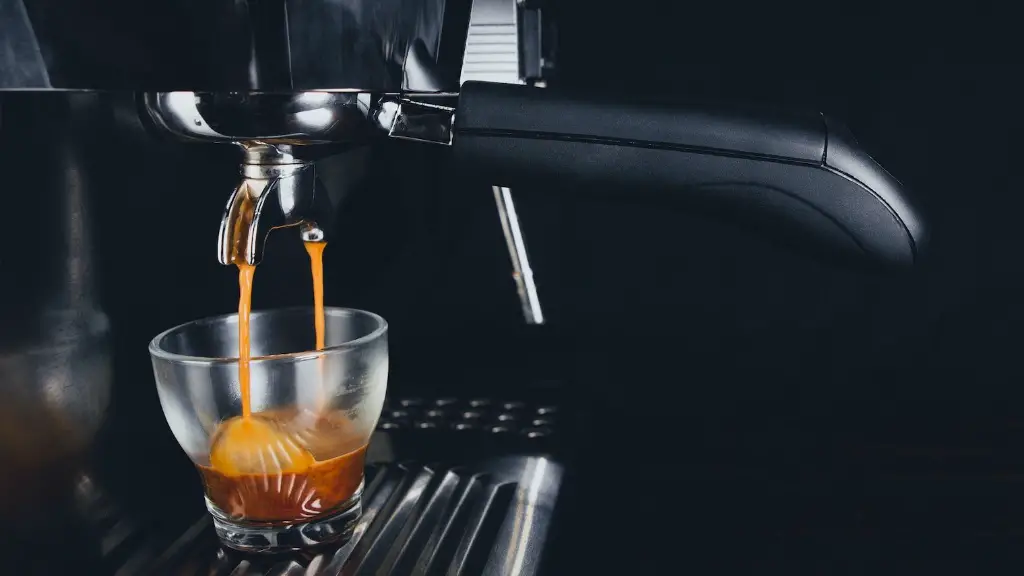
To lessen the risk of staining, coffee drinkers can try adding a bit of fat, such as cream or milk, as this helps to coat your teeth and protect against staining agents. This suggests that darker coffees, like espresso, may be as safe as milder versions, like cafe latte.

It’s necessary to be mindful of brushing your teeth soon after drinking coffee for the same reason, no matter how long you have waited to consume it. In fact, experts agree that brushing your teeth immediately after drinking coffee is the best method for decreasing your risk of staining.
Experts also recommend limiting your intake of acidic beverages to no more than three cups of coffee per day in order to reduce the risk of enamel erosion and white spot lesions, both of which can be detrimental to the condition of your teeth.
Most importantly, ensure that you are following the instructions for whitening correctly as whitening strips are not intended for continuous use. Regular use of whitening strips poses an increased risk of sensitivity, so it’s wise to take breaks between use and follow the instructions.
Whitening Strips and Teeth Sensitivity
Despite the potential risks with drinking coffee after using whitening strips, it’s even more important to be aware of the potential harms of longer-term use.

Whitening strips that contain peroxide, an active ingredient, can cause enamel erosion and an increase in tooth sensitivity if used for extended periods. When the enamel has been weakened, your teeth can become more sensitive and you may experience heightened discomfort when drinking hot or cold beverages.
If you have severe discoloration or staining on your teeth and have been using whitening strips for some time, it may be worth speaking to a dentist about a safe and proven treatment for your teeth.
Often, your dentist can provide a deeper clean and in-office bleaching techniques to get beyond surface-level stains. However, these treatments should only be undertaken with professional care as these techniques use higher concentrations of peroxide.
Best Practice to Take Care of Your Teeth
As a rule of thumb, it’s best to give your teeth some extra TLC if you plan to use whitening strips.

Be sure to avoid sugary drinks or food as this can increase the risk of cavities, which could reduce the effects of whitening strips. Additionally, tea and red wine can quickly stain teeth, so avoid these beverages while whitening.
Keep in mind that using toothpaste with whitening agents, such as baking soda, may help to reduce discoloration and yellowing. Additionally, using a smooth and abrasive toothbrush can help to remove some of the stains without the need for any additional chemicals.
Finally, it is important to maintain good oral hygiene, as healthy habits go a long way in the preservation of your teeth.
Whitening Strips and Other Teeth Whitening Options
Whitening strips are a popular choice because they are relatively affordable, despite the fact that they may require in-depth treatment in the long run. However, there are other alternatives.
For example, gels that contain active ingredients can be effective for treating excessive staining over a longer period of time. Alternatively, trays that can be custom-fit, such as those used for braces, can offer safe whitening for those with specific needs. The key is to find the method that works best for you, as individual needs vary from person to person.
If you’re looking to whiten quickly and explore another kind of whitening, you may prefer a visit to a dental hygienist who can offer a professional treatment. Besides the physical process of whitening, they can also offer guidance and advice on how to prevent staining and discoloration in the future.
At Home Whitening Kits
If you prefer taking matters into your own hands, there are several over-the-counter whitening kits available to purchase. They usually contain pre-filled whitening trays that are much cheaper than the options available in a dentist’s office.
However, before you try one of these kits, it’s always best to speak with a dentist first. This is especially important if you’ve had any previous tooth pain or sensitivity, as the solutions used in store-bought trays may not be suitable for your needs.

Bright white teeth are undoubtedly something we all aspire to have. And whatever method you choose to go for, it’s important to take caution and ensure you follow the instructions for the best and safest results. So once you’re done using your whitening strips, you can go ahead and enjoy a cup of coffee with no need to worry thanks to your newfound knowledge.
Whitening Strips and Dietary Influences
Diet can have a significant influence on the condition of your teeth, so you can make sure to get the most out of your whitening strips by consuming the right foods.
For example, consuming foods that are high in calcium, such as leafy greens, salmon, and dairy, can help to strengthen and restore the enamel of your teeth. In contrast, avoiding processed sugar is also beneficial as it can contribute to the production of plaque and decay.
Finally, chewing on crunchy fruits and vegetables can help to scrub away some of the stains. This may be particularly beneficial before you apply the whitening strips, as it can help the active ingredients penetrate better and remain active for longer.
Whitening Strips and Optimal Use
As with anything, there are certain tips and tricks that can help you get the most out of your whitening strips.
For example, whitening strips may work better if you apply them after brushing your teeth, as this will remove any excess bacteria or plaque from the surface. Similarly, using lukewarm water when brushing your teeth and rinsing after eating can significantly reduce staining and discoloration.
It’s also essential to consider the type of whitening strips you’re using. Different styles are available on the market, from strips that are pre-filled with saliva-resistant formula to strips that cover the entire face of your teeth. Depending on the level of staining and your ideal results, you may want to talk to a dentist about the best option for you.
Finally, although it’s not necessary, you may want to use an electric toothbrush to help fade stains faster. The improved movement ensures that the active ingredients in the whitening strips can penetrate deeper, allowing you to achieve brighter and whiter teeth over a shorter period of time.
