Coffee is one of the most popular beverages in the world. Millions of people enjoy a cup of coffee in the morning to start their day, but is there an age when it’s safe to drink coffee? Research shows that moderate amounts of caffeine from coffee are safe for most adults, but it is important to note how your body reacts to caffeine and to practice moderation.
Caffeine Content in Coffee
Caffeine is a stimulant found in coffee beans, tea leaves, cocoa beans, and other products that contains caffeine. The amount of caffeine varies greatly depending on the type of coffee, the roast, and the brewing method. Generally, a cup of coffee contains 95 to 150 mg of caffeine, while a can of soda contains 35 to 50 mg.
Drinking coffee with high amounts of caffeine may cause a number of negative side effects such as jitteriness, increased heart rate, insomnia, and dehydration. Caffeine is a diuretic, which means it increases fluid loss in the body. Therefore, it is important to drink plenty of water when consuming caffeine.
Age Recommendations
There is no single definitive answer as to when it is safe for children to drink coffee. Generally, it is recommended that children under the age of 13 should not consume caffeine from any source, including coffee. For adolescents aged 13-18, consuming up to 85 mg of caffeine per day is considered moderate, while more than 85 mg is considered high.
In addition to age recommendations, it is important to consider the individual’s reaction to caffeine. Some people are more sensitive to the effects of caffeine than others, so it is important to listen to your body. If you experience any negative side effects, such as jitteriness or heart palpitations, you should reduce your caffeine intake.
Benefits of Drinking Coffee
Although moderate amounts of caffeine can be beneficial, it is important to note that coffee also has a number of other health benefits. Coffee contains antioxidants that can help reduce inflammation and protect against some diseases. It can also help improve cognitive performance and alertness, and can even have a positive effect on mood.
For those who are not sensitive to the effects of caffeine, drinking coffee can provide a number of health benefits. However, it is important to remember that more is not always better. Drinking too much coffee can cause negative side effects, so it is important to practice moderation and pay attention to your body.
Coffee Alternatives

For those who cannot or choose not to drink coffee, there are a number of alternatives that can provide similar health benefits. Herbal teas, such as chamomile and peppermint, are naturally caffeine-free and can help with relaxation and overall well-being. Decaf coffee is also an option for those who want the taste of coffee without the caffeine.
For those who are sensitive or allergic to caffeine, there are also a number of non-caffeinated beverages that can provide a boost of energy. For example, guarana and green tea both contain natural sources of caffeine, while yerba mate and matcha provide naturally occurring caffeine without the jitters.
Recommendations for Healthy Coffee Consumption
When it comes to enjoying a cup of coffee, moderation is key. Research has shown that drinking up to four cups of coffee per day can provide a number of health benefits, but more than that can lead to negative side effects. In addition, it is important to listen to your body and pay attention to how it reacts to caffeine.
It is also important to be aware of other sources of caffeine, such as energy drinks, diet pills, chocolate, and other caffeine-containing products. The amount of caffeine varies greatly in these products, so it is important to read labels carefully.
Types of Coffee
There are a number of different types of coffee, including espresso, cappuccino, latte, and cold brew. Each type of coffee has its own unique flavor and can be brewed in different ways. For example, espresso is made by forcing hot water through finely ground coffee at high pressure, while cold brew is made by steeping ground coffee in cold water for 12-24 hours.
It is important to note that the amount of caffeine varies depending on the brewing method and the type of coffee. For example, a cup of espresso contains more caffeine than a cup of regular brewed coffee. Therefore, it is important to consider the type of coffee and the brewing method when deciding how much coffee to drink.
Healthy Alternatives to Sugar in Coffee
A common addition to coffee is sugar, but too much sugar can have a negative impact on health. Fortunately, there are a number of healthier alternatives to sugar such as honey, agave nectar, stevia, and coconut sugar. These alternatives can provide a sweetness without the negative health effects of added sugar.
In addition, there are also a number of non-dairy alternatives to cream, such as almond milk, coconut milk, and oat milk. These alternatives can provide a creamy texture and taste without the calories and saturated fat of cream.
Organic Coffee
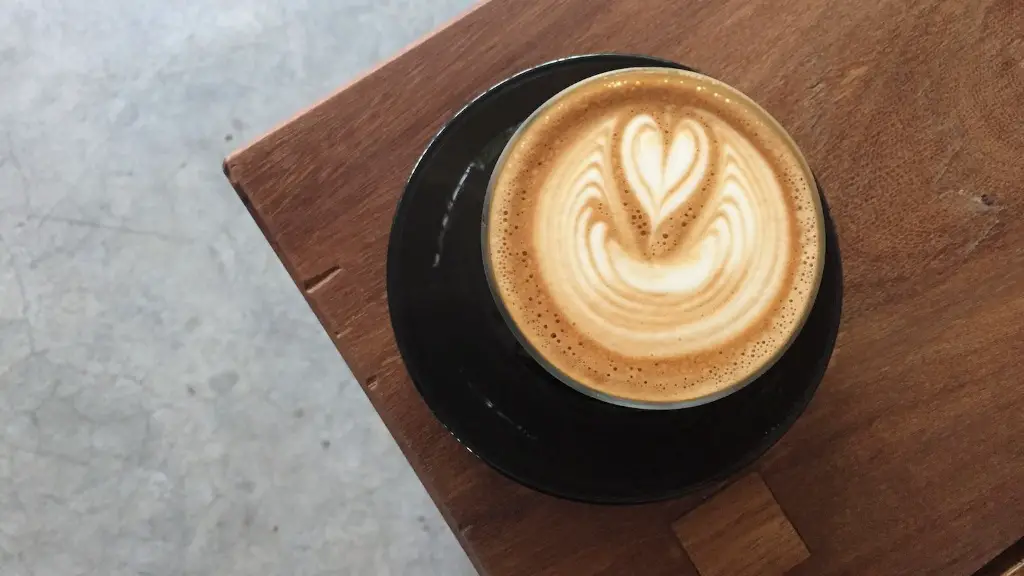
Organic coffee is made without the use of pesticides, herbicides, and other chemicals. Organic coffee is generally more expensive than conventional coffee due to the added costs of production and certification. However, the additional cost is worth it for the health benefits that organic coffee provides, including a lower risk of chemical exposure and improved flavor.
In addition, organic coffee beans are sourced from farms that are certified sustainable, meaning the farms are managed in a way that does not harm the environment or natural resources. This makes organic coffee a great choice for those who are concerned about environmental sustainability.
Reusable Coffee Cups and Mugs
In recent years, there has been an increasing trend towards using reusable cups and mugs for coffee. Reusable cups and mugs are much better for the environment than single-use plastic cups, and they also help to keep your coffee hot for longer. Reusable coffee cups and mugs come in a variety of styles and sizes, so there is sure to be one that fits your needs.
Using reusable coffee containers also has the added benefit of being cost effective. In addition, many coffee shops offer discounts for those who use their own reusable mugs and cups. As a result, using a reusable coffee mug can help to reduce waste and save money in the long run.
