When did America Start Drinking Coffee?
Coffee’s long journey to America began in the early 1600s, when Dutch traders introduced the beverage to what is now New York. Early American coffee drinkers made the occasional cup of coffee when it was convenient and accessible. Coffee, however, was not yet at the forefront of American diets. It would be some time before it became an integral part of American culture.
In the early 1700s, the majority of America’s populations drank tea. Colonists preferred the milder drink to the harsh taste of freshly brewed coffee. Cosmopolitan cities, meanwhile, were served by specialty coffeehouses, catered to well-to-do patrons mainly of European descent. Coffee had become more popular at this point, yet it still wasn’t as widespread as tea.
Things began to change in the late 1700s, however, when the War of Independence began. The British had been importing tea to the US for many years, but the revenue from the duty imposed on this tea caused the colonists to protest. As a result, a number of boycotts were put in place, including the infamous Boston Tea Party.
In an effort to break free from British control, the American public began drinking coffee in place of tea. This shift in beverage preference was encouraged by leading Founding Fathers like John Adams and Thomas Jefferson, who encouraged the use of coffee in place of tea as a sign of patriotism. Gradually, coffee began to become the go-to beverage of choice among colonists and a symbol of independence.
By the mid-1800s, coffee was firmly embedded in American culture. Grocery stores stocked coffee grounds and equipment, cookbooks contained recipes for brewing and roasting coffee, and most restaurants served freshly brewed coffee for their customers. Americans were now well versed in how to make and enjoy coffee, ranging from the simple French press to the complex espresso.
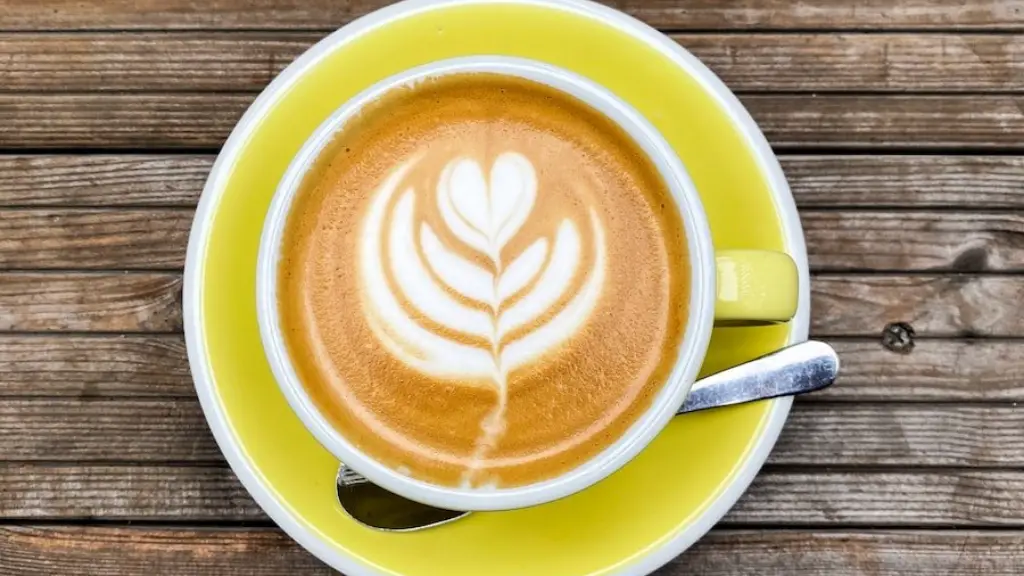
In the modern-day US, coffee has become more than just a caffeinated beverage: it has become a lifestyle. Trendy coffee shops serve everything from hot cups of espresso to decadent shower beverages, and its various forms, from espresso to macchiato, have been embraced by a wide range of Americans.
From its beginnings in the 1600s, America has come a long way in terms of its coffee culture. Coffee has become an integral part of American culture – and only time will tell where it goes next.
Types of Coffee
Today, there are many types of coffee available to enjoy. From basic black coffee or espresso to the more complex drinks such as cappuccinos, lattes, and macchiatos, there is something for everyone’s specific taste.
Espresso is a type of brewed coffee made by forcing hot water through finely ground coffee beans. This produces a thick, concentrated coffee which is then used as the base for coffee drinks such as cappuccinos and lattes. A single shot of espresso is between 1.5 and 2 ounces, whereas a double shot is between 3 and 4 ounces.
Cappuccinos are a type of espresso-based coffee drink which consists of one-third espresso, one-third steamed milk, and one-third foam. It is usually served in a six-ounce cup, with a marshmallow or a sprinkling of cocoa powder on top.
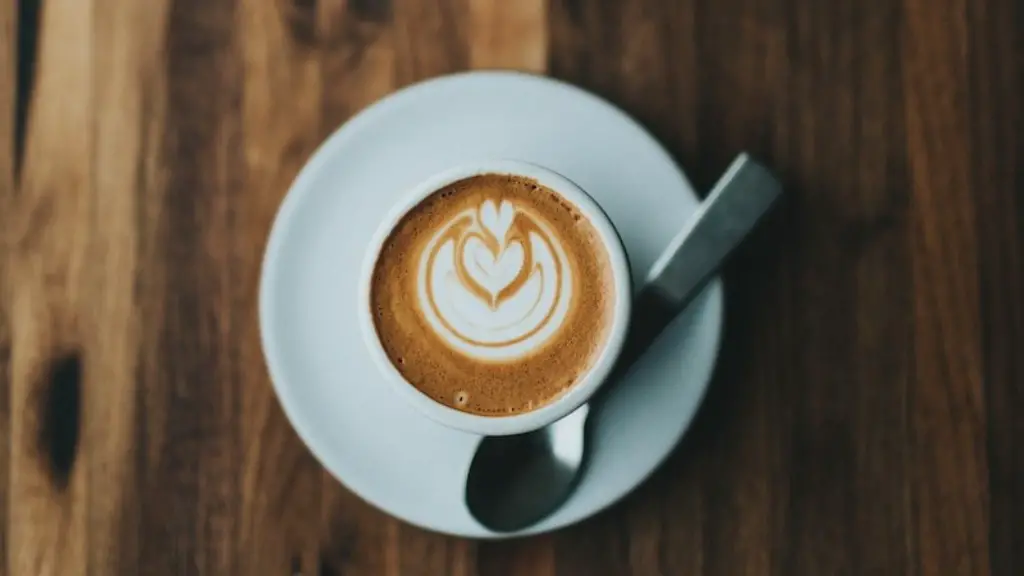
Lattes are another type of espresso-based coffee drink, usually consisting of one-third espresso to two-thirds steamed milk. Flavored syrups such as hazelnut or vanilla are often added to the drink. The drink is usually served in an eight-ounce cup, with a jazzy design created using steamed milk or cocoa powder over the top.
Finally, macchiatos are espresso-based drinks which are made with one-third espresso and two-thirds foam, and flavored with a hint of steamed milk. The word ‘macchiato’ translates to ‘marked’, referring to the small amount of milk which is added to the drink to create a light and creamy texture. The drink is usually served in a three to four-ounce cup.
Coffee and Health Benefits
One of the biggest misconceptions about coffee is that it is unhealthy. For years, coffee has been demonized as a bad drink with adverse side effects, including sleeplessness and anxiety. Recent studies, however, have suggested that coffee may have some health benefits when consumed in moderation.
Most notably, there is evidence that coffee can reduce the risk of developing certain types of cancer, as features antioxidants which protect our cells from damage and guard them against disease. It is also believed that coffee can reduce the risk of diabetes, stroke, and heart disease, as well as protect from some forms of dementia.
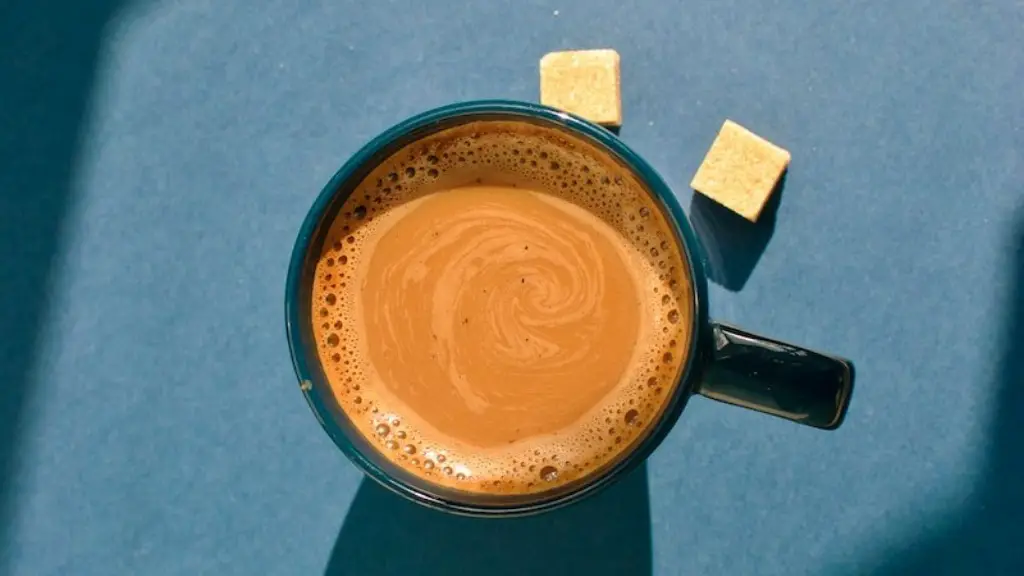
Coffee is also known to improve focus, alertness, and energy levels, as well as boost metabolic rate and improve physical performance. Just two cups of coffee a day can make a big difference!
In short, coffee can be beneficial to our health. Monitoring the intake, however, is essential, as too much coffee can result in dehydration, headaches, and other adverse side effects. Everything in moderation!
Effects of Coffee on the Environment
Another misconception about coffee is that it is not good for the environment. While it is important to note that some coffee-producing countries are facing major development and environmental issues, this is not always the case.
In fact, numerous coffee-producing countries have developed sustainable farming and production practices, both for their communities and for the environment. Despite this, large-scale monoculture and agrochemical-reliant farming are still an issue in some countries, damaging the land and leading to deforestation.

Organizations such as the Rainforest Alliance and Fairtrade International have emerged in recent years, working to combat these unfair practices and ensure that farmers and growers get paid fair wages and prices, as well as protect the environment. Bonini Coffee, for example, are one such company who have pledged to use only sustainable, certified organic coffee.
It is important to remember that there is no one-size-fits-all solution when it comes to sustainable coffee-growing practices and many different approaches are needed. However, by supporting and choosing only certified organic coffees, we can ensure that farmers are paid fairly and that the environment is being protected.
Economics of Coffee Production
Today, the coffee industry is a global economic powerhouse, with coffee being one of the world’s most valuable commodities, as well as one of the most widely consumed beverages. In the US alone, coffee is a multi-billion dollar industry, employing millions of Americans.
The economics of coffee is complex and intricate, with numerous issues and debates at stake. There is the issue of fair wages and exploitation of workers, the use of pesticides and chemicals in production, and the environmental impacts of growing and producing coffee. One thing, however, is certain: millions of people around the world depend on coffee production and trade in order to make a living.
In order to ensure that the coffee industry remains sustainable and viable in the long-term, it is important to look at the economics of coffee production and understand the implications for the lives of small producers and communities. By taking such measures, we can ensure that coffee production remains a viable economic option for generations to come.
Coffee Branding and Marketing
In today’s competitive market, there is huge competition in the coffee industry. Companies are vying for customers’ attention with innovative marketing campaigns and unique branding strategies. Starbucks, for example, has become one of the most recognizable coffee brands in the world, with over 30,000 stores worldwide and well-known campaigns such as ‘I’m a Starbucks Kind of Day’.
By crafting messages which relate to their target market and utilizing the right channels to reach potential customers, companies are able to tap into a larger audience and build long-term relationships. Innovative products such as the Starbucks mobile app, for example, makes it easier for customers to order and pay for their coffee without having to wait in line.
As more companies enter the market, the competition for loyalty will only become tougher. Companies need to ensure that their branding is consistent, their marketing messages are appropriate, their channels are well-targeted, and their products are of the highest quality in order to stand out from the ever-growing crowd.
