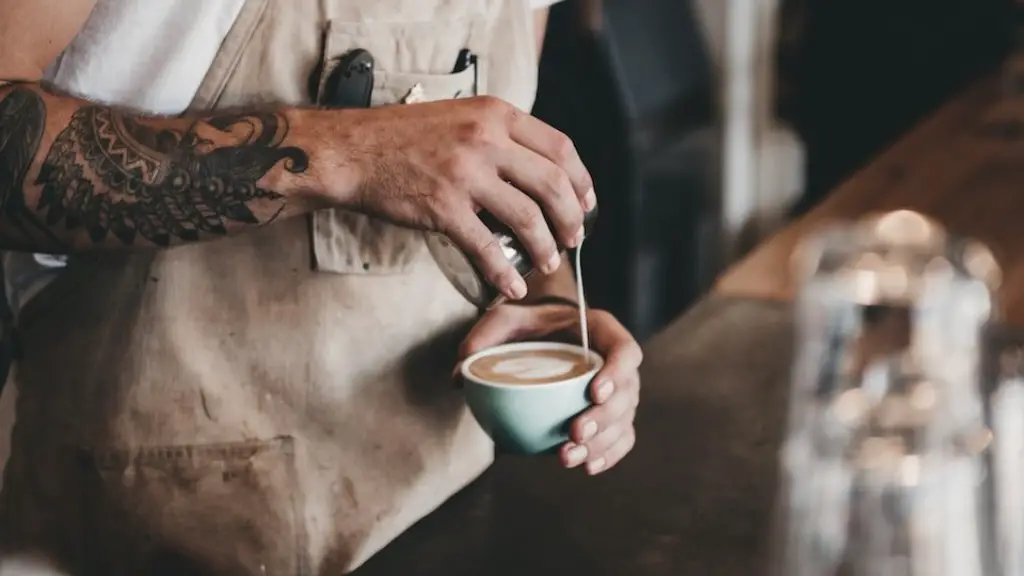
Introduction to Coffee
Coffee is one of the world’s most popular drinks, enjoyed by people from all walks of life. Coffee-drinking is an ancient and iconic ritual that has roots in antiquity. Though the origins of the beverage are somewhat hazy and the precise moment when it became a ‘drink’ is difficult to trace, records throughout history point to the development of coffee as a brew that was consumed by people throughout the world.
Ancient Origins
The first known reference to coffee-drinking dates back to the 10th century when a drink made from the beans of the Arabian shrub ‘Coffea arabica’ was mentioned in Sufi poems. By the 12th century, the beverage was being used in popular social customs by Sufis, the Islamic holy men. Around this time, traders in Ethiopia’s Kaffa region began drying, roasting and pulverizing the beans to make a brew. The same beans would eventually spread to the Near East and further afield, becoming the source of the coffee we drink today.
Spread of Coffee
The popularity of coffee spread, especially with the help of traveling merchants. Soon the drink was popular in northern Africa, Cairo and Mecca. It was not until the 15th century that coffee was first brought to Europe by the Venetians and greeted with excitement. The Europeans were fascinated by the culture and taste of the beverage, and it quickly gained popularity in the cities of Venice and Constantinople.
In the 1600s, coffee houses began to appear across Europe. These establishments became a popular meeting spot to discuss ideas and enjoy coffee. Eventually, the social scene of coffee spread to India, where French settlers developed a taste for hot, brewed coffee. Coffee quickly gained an even bigger following in North and South America in the 1700s.
Modern Coffee
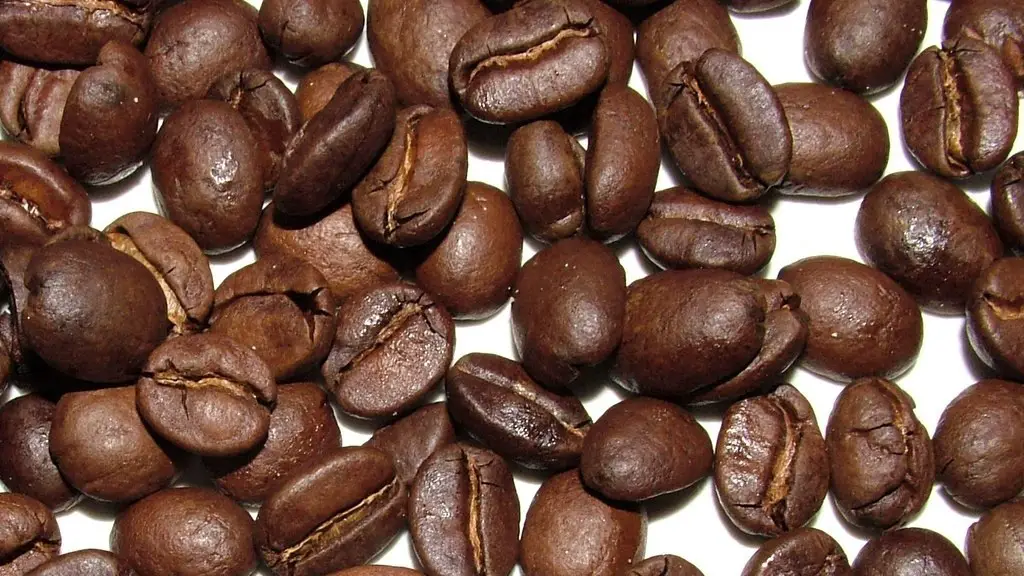
Today, coffee is still an important part of the social fabric in many countries. Almost every coffee-producing nation on the planet still drinks coffee as part of their culture and coffee is still the most popular hot drink in the world.
As coffee has evolved so has the brewing process, with more and more intricate ways of making coffee being developed. From espresso machines to cold-brew, specialty roasting techniques to unique flavor pairings, coffee has changed enormously over the centuries. While some of the old-world methods are still popular, coffee as a beverage has changed enormously as the world has progressed.
Coffee Cultures
Coffee drinkers around the world have different ways of enjoying coffee. In Italy, a traditional espresso is the preference; in France cafés are still abundant; in Scandinavia late-night coffee houses are popular; and in the United States espresso machines, french presses, and cold-brews are becoming increasingly commonplace. Each of these countries has their own unique coffee culture and their own unique way of drinking and enjoying coffee.
At the same time, coffee can be enjoyed in many different forms and by many different people. From free-trade coffee to third-wave roasters, single-origin blends to espressos, there’s something for everyone.
Health Benefits of Coffee
In recent years, studies have shown that coffee can have positive health benefits. Coffee has long been known to have antioxidant properties and can help reduce the risk of certain types of cancer. It can also help to reduce inflammation, boost the immune system, and increase alertness. And with its high levels of caffeine, coffee can improve physical performance and even improve focus and concentration.
The Art of Coffee Brewing
Brewing coffee is both an art and a science. Different coffees, origins and recipes require different amounts of attention, and all of these considerations can affect the final taste of the coffee. The right water temperature, the right grind size and the right brewing technique all play a role, and the taste of the final cup will depend on all of these factors.
Coffee brewing is a craft that is constantly evolving and the modern coffee drinker is ever-more knowledgeable about the craft. Whether you’re an espresso expert or a French-press aficionado, the modern coffee landscape is full of choices and possibilities.
The Art of Coffee Roasting
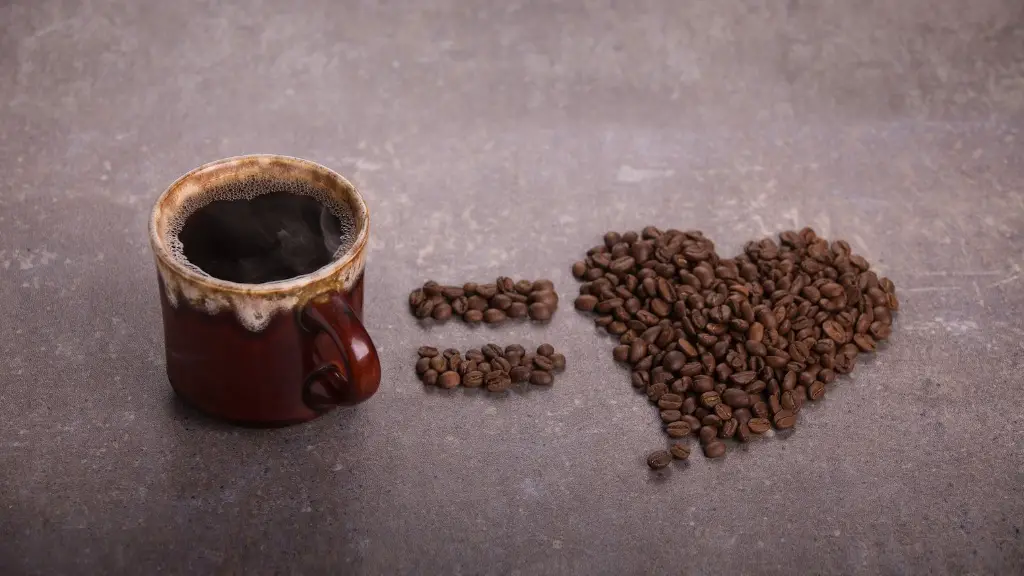
Just as important as brewing is the art of coffee roasting. Different origins and roasting techniques can produce drastically different-tasting coffees. For instance, a light-roasted coffee made of a rare Ethiopian bean can taste incredibly different than a dark-roasted blend of beans from Sumatra. The art of roasting coffee is what makes a great cup of coffee, and roasters have to have a discerning palate to fine-tune the flavors in the beans to get the perfect cup.
The Rise of Specialty Coffee
In recent years, the specialty-coffee market has really taken off. Specialty coffee is an umbrella term used to describe high-quality, small-batch coffees that come from unique origins and unique growing conditions. Specialty coffees, often times organic, are brewed and enjoyed in a myriad of ways.
The specialty-coffee market has expanded not just the variety of coffees on offer, but also the flavor profiles available to coffee connoisseurs. From floral notes in a light-roast Ethiopian to the chocolate and nutty flavors of a dark-roast Central American, there’s something for everyone.
Conclusion
Coffee as a beverage has come a long way over the centuries, from its origins in ancient Arabia to the modern specialty-coffee market. From brewing to roasting and everything in between, coffee has become a rich and complex beverage that is enjoyed by people across the world. Whether you’re a dedicated home-brewer or an espresso aficionado, there’s something for everyone in the world of coffee.
