
When Did People First Start Drinking Coffee?
Coffee is one of the most popular drinks in the world and has been for centuries, but when did people first start drinking coffee?
Coffee has been around for centuries, but the exact origins of coffee consumption are not known. The earliest record of coffee consumption dates back to 1000 A.D., when it was consumed in Yemen and Ethiopia by the Oromo people. Legend has it that the caffeine-filled beverage was discovered by a goat herder who noticed his goats had much more energy after eating certain berries from a certain bush. He tried some, and the rest is history.
Since then, coffee consumption has spread across the globe and it is now a major industry. In the sixteenth and seventeenth centuries, coffeehouses in Europe began to appear and soon became popular social hubs. The first coffeehouse in the United States opened in Boston in 1676. By the turn of the 19th century, coffee had become an essential part of American culture.
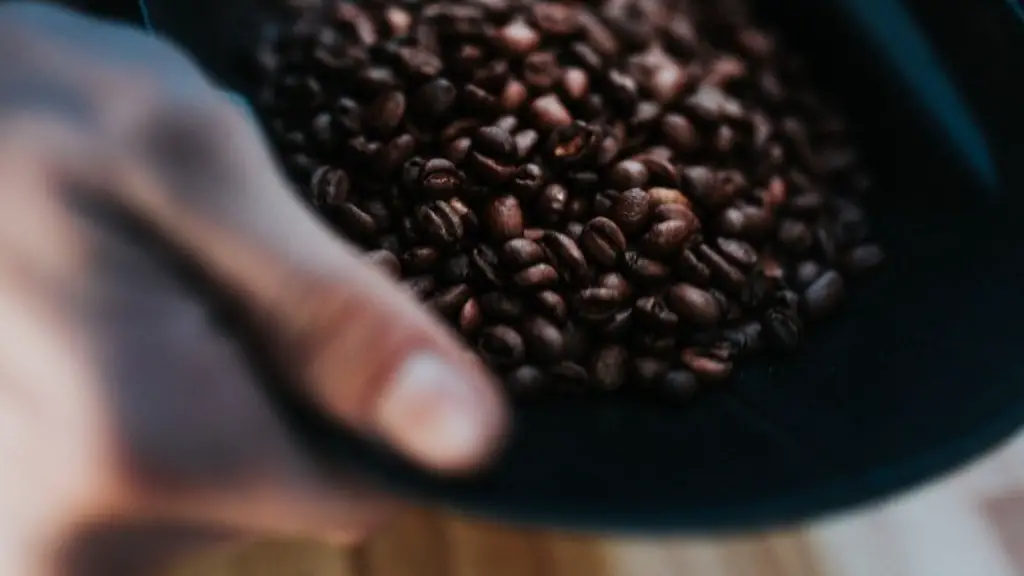
Today, coffee is consumed all over the world, and it has been estimated that 2.25 billion cups of coffee are consumed every single day. It is now seen as a staple beverage in many cultures, and it is enjoyed in myriad of ways. Some people take their coffee with cream and sugar, while others opt for black coffee, espresso or latte.
Coffee is also used in many recipes, ranging from classic desserts like Tiramisu, to savory dishes like steak au café.
Coffee is known for its many health benefits, including its ability to boost energy, improve mental performance, and protect the heart. But it is important to note that like most things, too much of a good thing can be harmful.
Coffee has been around for centuries, and it looks like it’s here to stay. The world has changed in remarkable ways since coffee was first consumed, but one thing remains the same: people have an enduring love of coffee.
How Coffee Is Grown and Harvested
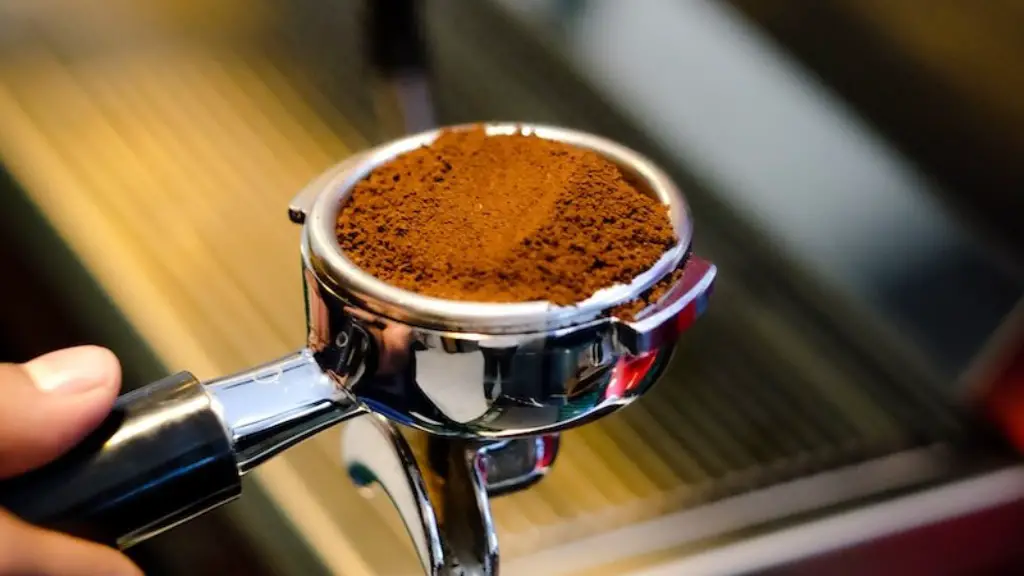
Coffee is made from the beans of a coffee plant. The plants are grown in tropical climates, and they require a lot of water, sunlight and nutrients to survive. The fruits of the plant, called coffee cherries, usually ripen within six to nine months and are harvested by hand. Once the cherries are harvested, they are processed to remove the coffee beans. The beans are then roasted to give them their signature aroma and flavor. Finally, the beans are ground and brewed to create the beloved beverage.
Coffee beans come in two varieties: Arabica and Robusta. Arabica coffee is the most popular and is known for its balanced flavor and complexity. Arabica beans are grown in higher elevations and in cooler climates, such as Central and South America, and the Caribbean. Robusta beans are grown in lower elevations and in hotter climates, like Vietnam and West Africa. Robusta coffee is known for its strong flavor and higher levels of caffeine.
The Different types and Styles of Coffee
With all the different types of coffee out there, it can be confusing to figure out which one is the best. The truth is, the best coffee is the one that suits your taste and preferences best! Here are some of the most popular types and styles of coffee:
Espresso – Espresso is a strong, concentrated type of coffee that is made by forcing heated water through finely ground coffee beans. It is usually served in small, 1-ounce servings and is often used as the base for other coffee drinks like lattes and cappuccinos.

Cappuccino – Cappuccino is a type of coffee beverage made with espresso, steamed milk and foam. It typically contains equal parts espresso, steamed milk and foam, although the proportions can vary depending on the barista or personal preference.
Latte – A latte is a coffee beverage made with espresso and steamed milk. While cappuccinos and lattes are similar, lattes usually contain more steamed milk and less foam than a cappuccino.
Brewed Coffee – Brewed coffee, also known as filter coffee, is one of the oldest and most common methods of making coffee. It is made by pouring hot, boiling water over ground coffee beans, then straining it through a filter. This method retains more of the aromatic oils and flavorful compounds found in coffee beans.
Cold Brew – Cold brew, also known as cold press, is a type of coffee made by steeping ground coffee in cold or room temperature water for several hours. Unlike brewed coffee, cold brew does not require heat to make, resulting in a smoother, less acidic flavor profile.

Instant Coffee – Instant coffee is essentially brewed coffee that has been dried into a powder. It’s incredibly easy to make — all you have to do is add hot water — which makes it popular among busy coffee drinkers.
The Benefits of Drinking Coffee
Coffee is more than just a delicious beverage; it has been linked to numerous health benefits. Studies have found that drinking coffee can reduce the risk of certain diseases and health conditions, including type 2 diabetes, Parkinson’s disease, and cardiovascular disease.
Coffee is also known to improve mental performance and alertness, thanks to the caffeine it contains. Caffeine is a stimulant that affects the central nervous system, and consuming it can give people an energy boost that helps them stay focused and alert.
Coffee is rich in antioxidants, which means it can help protect the body from oxidative damage caused by free radicals. This in turn can help reduce the risk of developing certain diseases, including cancer and Alzheimer’s.
In addition, coffee offers several other benefits, including helping to boost metabolism, improve exercise performance, and protect the liver. It may even help to reduce stress and improve mood.
Brief History of Coffee in Europe
The first coffeehouse in Europe opened in Venice in 1645. Unlike in the Middle East and North Africa, where coffee was consumed primarily as a beverage, it was seen as a drug in Europe. The public was wary of its powers and was suspicious of anyone who partook in it. Nonetheless, coffee went on to become an important part of European culture.
In 1652, the first coffeehouse opened in England, in the city of Oxford. This coffeehouse, opened by Jacob the Jew, quickly became a popular hangout spot for students from nearby universities. From there, coffeehouses began popping up all over England.
In the 1700s, coffeehouses were seen as a threat to the established order and there were several attempts to shut them down. Despite this, coffeehouses remained popular and began to function as more than just a place for people to drink coffee. They became hubs for lively conversation, news and debate, and developed into the coffeehouses we know today.
Coffee Culture in America
Coffee has become an integral part of American culture. In the 19th century, coffee consumption began to rise and Americans started to develop their own coffee rituals and traditions. Coffee consumption remained fairly consistent throughout the 20th century, and today, it is second only to water in terms of popularity among beverages.
Americans consume a variety of different types of coffee, from espresso-based drinks and cold brew, to classic styles like drip, French press and pour-over. Coffee consumption is also tied to certain times of day, such as the morning cup on the way to work or the afternoon pick-me-up during a lull in the day.
Coffee has become an essential part of many people’s routines, and it is now seen as a staple beverage in America. Whether you’re a die-hard coffee fan or just an occasional drinker, coffee is a beverage that everyone can enjoy.
The Environmental Effects of Coffee Farming
Unfortunately, coffee farming has had a negative impact on the environment. The coffee industry is under immense pressure to meet increasing demand while also conserving natural resources and protecting the environment.
Coffee requires a lot of water to grow and process, and this has led to water shortages in some regions. In addition, the use of chemical fertilizers and pesticides has resulted in soil contamination and negative effects on biodiversity.
Fortunately, there are steps being taken to combat these issues. Coffee companies are working to introduce sustainable practices, such as water conservation, organic farming and environmentally friendly packaging. They are also investing in renewable energy sources to reduce their carbon footprint.
The problems facing the coffee industry are daunting, but with collective effort, it is possible to create a more sustainable future for coffee.
What Is Specialty Coffee?
Specialty coffee is coffee that has been grown and processed in a way that meets the highest quality standards. Specialty coffee beans are hand-picked and sorted to ensure that only the highest quality beans are used.
The beans are then roasted with precision to bring out its unique flavors and aromas. Specialty coffee is usually sold as whole beans or as freshly ground, so that customers can enjoy its full flavor potential.
In general, specialty coffee is seen as a superior product when compared to other types of coffee. It has a fuller flavor and richer body, and it can be appreciated on its own without the need for cream or sugar.
Most specialty coffee is grown in the highest quality climates and high-altitude regions, and it is usually certified as organic or fair trade. As more people become aware of the benefits of specialty coffee, demand for this type of coffee is growing.
