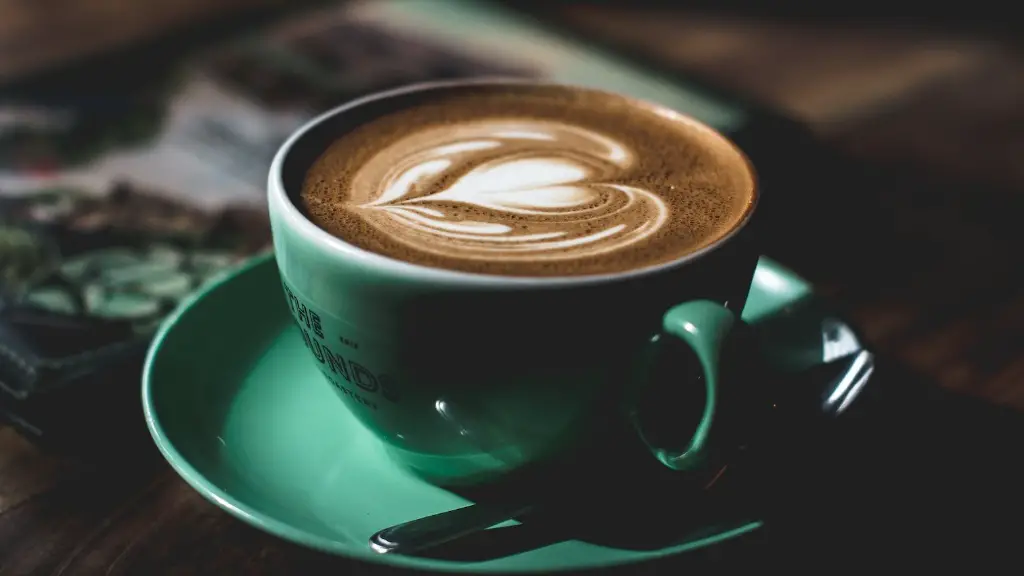
We all know that caffeine is the number one most popular stimulant in the world, and many of us rely on coffee each day to fight off that workday fatigue. But which demographic is drinking the most java, and why? Recent studies have shed some light on how we prefer our coffee, what kind of coffee drinkers we are, and, of course, who drinks the most.
According to a study conducted by the National Coffee Association, 62% of American adults drink coffee every single day. It warms us up, it’s social, and it provides a much-needed shot of energy at times. The total people who drink coffee from all age groups is quite large, with 142 million drinkers and rising. While this may be a sign of the ubiquitous appeal of the much-loved beverage, it’s still true that some groups of people are more keen on the good stuff than others.
New data from Statista shows that those aged 18-24 form the top demographic group of coffee drinkers with an incredible 79%. This is followed by age groups 25-39 with 75% and 40-59 with 70%. However, the most interesting distinctions are found when looking into the average consumption per age group.
Generally, the youngest drinkers consume more coffee while the older group favor a more decaffeinated option. This area of life has intrigued many experts over the years, including Deborah Sweeney, CEO of MyCorp. Deborah says:” It’s not surprising to find the oldest demographic drinking significantly fewer glasses. Choosing to avoid stimulants as we age is a lot healthier and more practical.”
Focusing on the younger audience, it’s no secret why coffee has become such a popular choice – especially for those with hectic schedules and commitments. Those who are always on the go are chasing that extra bit of productivity coffee provides and its traits of convenience, taste, and price come in handy.
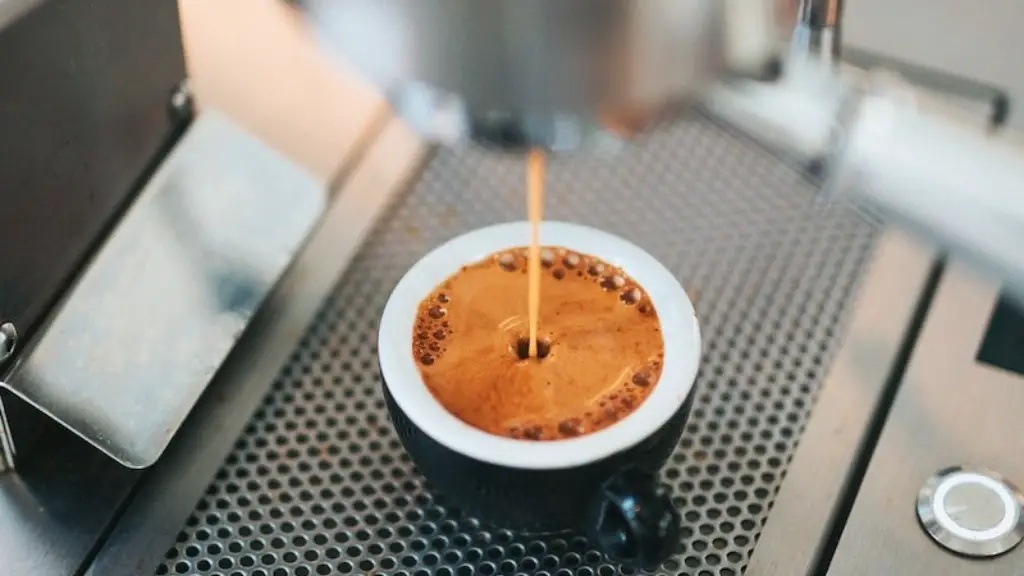
When it comes to the way we drink coffee, there’s a great variety. The National Coffee Association survey show that 54% of daily drinkers take instant coffee, 20% take espresso, pour-over coffee is preferred by 13%, French press by 10% and drip coffee with 0.5%.
The interesting thing about how coffee is consumed is that it affects the kind of coffee drinkers we become in the long run. Whether you’re an occasional coffee drinker or a full-on coffee addict, the ways in which coffee is prepared and consumed will evolve as we do.
How Different Genders Drink Coffee

It turns out that men are more likely to drink coffee than women. Data from the National Coffee Association show that 67% of male respondents consumed coffee in the last 24 hours compared to 58% of female respondents. On top of this, men were also found to have a preference for more valuable coffee beans and higher-quality coffee brewing methods.
Coffee consultant Alex Peters had this to say: “I think this reflects the attention to detail that men tend to prefer when it comes to coffee. It’s great to see that so many are willing to take the time to learn more about this craft and to choose the best quality beans.”
Coffee Consumption Around the World
America is not the only country in the world that loves coffee – it’s actually one of the biggest consumers of java worldwide. When comparing countries, it is revealing to notice which nation stands out from the rest.
Finland, for example, is by far the country with the most coffee drinkers. According to data from Euromonitor, a whopping 92% of Finnish adults report having drunk coffee in the last 24 hours – this hasn’t changed much in the last four years.
More than just a stimulant, coffee has become an important part of many people’s daily lives, with Finns leading the way. It’s not difficult to understand why they’re so keen on their favorite drink when one takes into account the cold and dark winter months in Finland and how much the people there value quality of life.
Coffee’s Impact on Health & Wealth
From a beverage of necessity to a beverage of desire; now we’re at a stage where coffee is a pleasure for many. Unsurprisingly, there are both advantages and disadvantages to this newfound love.
From a health perspective, three or four cups of coffee per day can help fight off some types of serious illnesses such as liver cancer, Parkinson’s, type-2 diabetes, certain types of skin and cervical cancer, depression and Alzheimer’s – but there is a small risk of developing heart palpitations, insomnia, diarrhea and an increased heart rate for those who consume more than five cups per day.
In terms of how it affects wealth, it depends on how much people drink and if they’re drinking from a café or from home. For example, if a person drinks five cups of specialty coffee per week and buys them from a café, where each cup costs $4.00, by the end of the year, the drinker will have spent up to $1,040.00 for the luxury. Those who are very careful about where and how much they spend on their coffee on the other hand, could save up to $800.00 per year by cooking their own.
Coffee in the Workplace
We’ve all been there – too busy at work to take a break and resorting to coffee as a source of energy. From getting us through that last hour of the workday to providing a time out to talk to coworkers and helping us hit our tight deadlines – we are thankful to coffee for having our back.
The majority of coffee is consumed in the workplace, outselling all other drinks by international standards. As it’s become conventional in most offices, people responded very positively when coffee comes into the workspace. This means coffee can be one of the best investments an employer can make for their employees.
However, like anything else, coffee does have its limits. It is best enjoyed in moderation and for many, it can be a useful pick-me-up for the day – but should not become an essential component when it comes to staying alert.
Coffee in the Home Setting
Coffee consumption can rise further in the home setting than in any other area. Despite its high consumption in the workplace, it is still true that a large number of people love to enjoy their coffee in their own personal space.

Having coffee at home can provide a great sense of comfort and personal validation, but there is also a hidden risk – dependency. Especially for those who are careful about how much coffee they drink, drinking too much at home can lead to stronger cravings and, in turn, an increased consumption of coffee overall.
This can eventually result in effects such as a decrease in sleep and therefore productivity, anxiety, tachycardia and insomnia. Therefore, it’s important to respect our bodies and not get into the habit of depending too much on coffee.
Coffee Consumption on the Rise
Overall, coffee consumption is still on the rise around the world and it’s refreshing to see more and more people indulging in this delicious morning ritual. Whether it’s sustaining our profession, promoting our social behavior, increasing productivity, improving our mood or simply satisfying our taste buds – coffee is not going away anytime soon.
It is true that coffee is a powerful tool that can be extremely beneficial when taken in the right amounts and at the right times. It is also true that care should always be taken to not overindulge, depending on the individual, the dosage and the quality of the coffee itself. Lastly, it is ultimately up to us as individuals to respect our bodies by understanding and accepting our own unique needs and knowing when it is best to take a break from coffee.
