
Coffee Consumption Overview
Coffee is one of the world’s most popular beverages. Every day, millions of people around the world enjoy its taste and stimulating effects. According to data from the International Coffee Organisation (ICO), global coffee consumption has increased by nearly 10 percent in the last decade, with more than 146 million 60-kilogram bags of coffee consumed in 2019. But who consumes the most coffee in the world per capita?
Interestingly, coffee consumption varies greatly around the world. European countries such as Finland and Norway, for example, consume far more coffee per capita than other countries. In general, coffee consumption is highest in Scandinavian countries, followed by some European countries and the United States. In contrast, countries in Latin America and the Middle East tend to consume significantly less coffee than others.
Finland, for example, has long been recognised as one of the biggest coffee-drinking nations in the world. According to Statistics Finland, the average Finn consumes around 8.4 kilos of coffee per year, which is the equivalent of more than 800 cups. This is nearly four times higher than the global average of 2.25 kilos of coffee per person per year.

Norway is another country with a high per capita coffee consumption. According to a study conducted by the Norwegian Institute of Public Health, Norwegian adults consume between 6.3 and 8.3 kilos of coffee per year, making the Norwegian coffee culture one of the strongest in the world.
In Europe, the average coffee consumption per capita is about 3.4 kilos per year. This puts Europe well above other places in the world, including North America, which has an average coffee consumption of around 2.3 kilos per capita per year.
In the United States, the states of Washington and California consume the most coffee per person. Other states, however, consume much less coffee than the national average. According to the National Coffee Association, the average American consumer drinks 3.2 cups of coffee per day. This is significantly lower than other coffee-loving nations like Finland and Norway.
Factors Driving Coffee Consumption
Though coffee consumption varies around the world, certain factors appear to be common across nations. For example, many European countries have traditionally had a long history of coffee drinking, which has driven higher per capita coffee consumption. In Norway, for example, coffee drinking is a deeply-rooted cultural tradition.

In addition, the availability of coffee has played a role in boosting coffee consumption. In the United States, for example, the emergence of specialty coffee shops over the past two decades has made coffee more accessible and convenient for consumers. This has likely contributed to the increase in coffee consumption, particularly among younger generations.
Interestingly, coffee consumption appears to be directly correlated to GDP per capita. A study conducted by the University of Vienna found that countries with higher GDPs also tend to consume more coffee per capita. This could be due to higher incomes affording greater access to coffee and specialty drinks, as well as higher demand for luxury goods.
Overall, the evidence suggests that a combination of cultural, social, and economic factors play a role in determining coffee consumption rates across the world.
Coffee Trends Around The World
Around the world, consumption of coffee appears to be on the rise. According to the World Coffee Association, total global consumption of coffee is expected to grow between 2 and 4 percent annually. In the United States, for example, consumption of specialty coffee drinks has grown by more than 50 percent in the last five years.

In addition, trends such as cold-brew coffee, nitro cold-brew coffee, and single-cup brewing systems have all helped to drive up demand for coffee. To meet this increased demand, specialty coffee shops have started popping up all across the United States, from Seattle to New York.
Europe, too, is experiencing a coffee boom. According to a report from the European Coffee Association, the European coffee market is expected to grow by 5 to 6 percent every year through 2022. The report also notes that the specialty coffee segment is growing at an even faster rate, with consumption of specialty coffees more than doubling since 2013.
Overall, the evidence suggests that coffee consumption will continue to grow in the coming years, particularly in the United States and Europe. This could be due to the emergence of popular new coffee trends and the increased availability of specialty coffees.
Conclusion
Who drinks the most coffee per capita in the world? While consumption varies around the world, certain countries, including Finland and Norway, stand out for their higher consumption rate. According to various studies, these countries have a long history of coffee drinking, as well as higher GDPs. Coffee consumption is expected to increase over the coming years, particularly in the United States and Europe, due to the emergence of new trends and the increasing availability of specialty coffees.
Environmental Impact Of Coffee
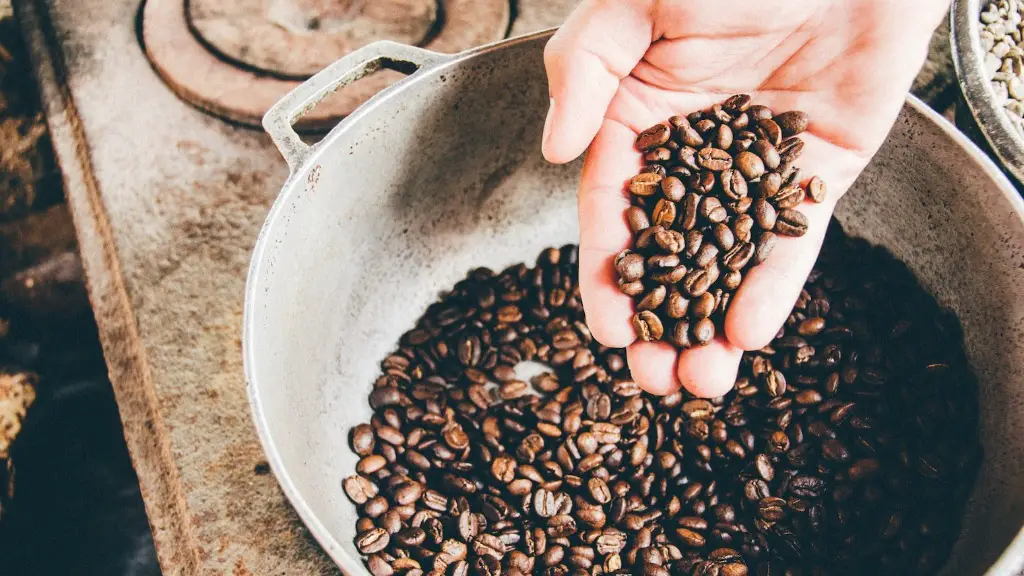
Coffee is one of the world’s most popular drinks, but it also has an environmental impact. According to the National Coffee Association, coffee production accounts for between 1 and 2 percent of the world’s total greenhouse gas emissions. This is because coffee is grown in many tropical countries, where deforestation is a common practice.
In addition, coffee production is often associated with monoculture farming and irrigation, both of which can lead to soil erosion and water pollution. Growing coffee also relies heavily on the use of pesticides and fertilizers, which can leach into the surrounding environment.
Fortunately, there are ways to reduce the environmental impact of coffee. For example, organic farming practices rely on natural pest control methods, rather than chemical treatments. In addition, some coffee farmers have adopted sustainable practices such as crop rotation and the use of shade-grown coffee to help limit soil erosion and preserve local biodiversity.
Overall, coffee production has an environmental impact, but with the right strategies and practices, it can be mitigated. By encouraging coffee growers to use sustainable farming techniques, we can ensure that our favorite beverage is produced in a way that is good for the environment.
Health Benefits Of Coffee

Coffee is one of the world’s most popular drinks, and it is also widely believed to have numerous health benefits. Indeed, many studies have shown that coffee can be a healthy part of a balanced diet. For example, recent studies suggest that coffee may help reduce the risk of heart disease, type 2 diabetes, and certain cancers.
In addition, coffee is rich in antioxidants, which can help combat inflammation and oxidative stress. Coffee has also been shown to improve mental performance, focus, and alertness. This is likely due to the stimulatory effects of caffeine, though the exact mechanism is not yet known.
It is important to note, however, that coffee is not a miracle beverage. Too much caffeine can lead to adverse side effects, such as increased anxiety and insomnia. In addition, many specialty coffee drinks can be high in sugar and calories, making them less than ideal for health-conscious consumers.
Overall, while it is true that coffee has many benefits, it is important to remember that moderation is key. By limiting your intake of caffeine and sugar and focusing on healthier brews, you can enjoy the benefits of coffee without the drawbacks.
Fair Trade Coffee
Coffee has become a multi-billion dollar business, but unfortunately the wealth created by the coffee industry is not equally distributed. In many countries, coffee production is a poverty-driven industry, with farmers often working long hours for low pay and no benefits. This is why many consumers have begun to turn to fair trade coffee as a way of supporting farmers in poorer countries.
Fair trade coffee is an alternative model of coffee production, in which farmers are paid a fair price for their beans and compensated for their labour. This ensures that farmers receive a living wage, as well as access to benefits, such as health insurance, education, and basic necessities. In addition, fair trade coffee is often grown without the use of pesticides or other harmful chemicals.
By purchasing fair trade coffee, consumers can support the farmers who produce our favorite beverage. This is a great way to make sure that the wealth generated by the coffee industry is shared more equally and ethically.
Coffee is a beloved beverage around the world, but consuming it comes with a number of considerations. Who drinks the most coffee per capita in the world depends on several factors, including culture, availability, and GDP. Trends suggest that coffee consumption is likely to continue to increase in the coming years, with particular growth in the United States and Europe. Additionally, there is an environmental and health impact associated with coffee consumption, as well as an ethical aspect when it comes to fair trade coffee. All of these aspects should be taken into account when enjoying our favorite beverage.
