
Coffee is a popular drink and many people enjoy it daily. But why can you sometimes feel sleepy after drinking it? It’s an interesting conundrum, as we’re so often told that caffeine keeps you awake, yet sometimes after having a cup, you’re ready for a nap! There are actually a few explanations for why this happens.
Caffeine can create an energy boost, but this can also wear off quite quickly. Caffeine encourages your body to produce adrenaline, which gives you a feeling of alertness. But the effects of this hormone wear off over time – so if you drink coffee late in the afternoon, you may feel sleepy after the effects wear off.
Another reason you may be feeling tired after drinking coffee is due to dehydration. Caffeine is a diuretic, which means it makes you pee more often. This means that your body is losing fluids, causing you to become dehydrated and thus lowering your energy levels. So, be sure to not just drink coffee, but drink plenty of water also.

Some people who drink coffee also experience a “rebound” fatigue. That is, when the effects of caffeine wear off, your energy levels dip much lower than they would have been naturally. So, if you drink coffee too late in the day, you might find yourself feeling more tired because of the stimulant effects wearing off.
There is also the possibility that your body simply isn’t used to caffeine. If you don’t regularly drink coffee, then even a single cup may affect you more than it would a person who drinks coffee every day. Your body may not have built up a tolerance to caffeine, so the effects end up making you feel more tired than usual.
Finally, drinking coffee late in the day can affect your quality of sleep. This is because caffeine stays in your system for up to 8 hours and can disrupt your circadian rhythm. So, if you drink coffee too late in the day, it can throw off your body’s natural sleep-wake cycle, making you feel more tired and affecting the quality of your sleep.
Caffeine Sensitivity
Caffeine sensitivity is a medical term used to describe certain individuals that feel more effects of caffeine than others. Some people with this sensitivity can drink coffee late in the day and still feel alert for hours afterward. On the other hand, some people need to abstain from coffee later in the day lest they feel overly tired.

Caffeine sensitivity is affected by genetics and other conditions, such as anxiety and depression. For example, people with anxiety may have a lower threshold for caffeine. When they drink it, it may signal their bodies to release adrenaline, making them feel more alert. However, this adrenaline boost is not necessarily long-lasting – so they may end up feeling more tired after its effects wear off.
Caffeine sensitivity can also be affected by lifestyle choices. For instance, if someone is sleep-deprived, they will be more sensitive to caffeine and thus may feel more tired after drinking it. So if you’re not getting enough sleep, cutting down on your caffeine intake can help you avoid afternoon fatigue.
Regular Caffeine Intake
If you regularly drink coffee, it is important to be aware of how it affects you. You may want to take note of any changes in energy levels over the course of the day. If you notice any dips in energy, or if you are consistently feeling more tired after drinking coffee, it may be wise to cut back on your caffeine intake, or switch to a decaf option.
Regularly drinking coffee can also lead to a built-up tolerance. This means that, over time, you may need to drink more and more coffee in order to achieve the same energy boost. This can cause serious fatigue when you don’t drink it, as your body is so used to the effects of caffeine.
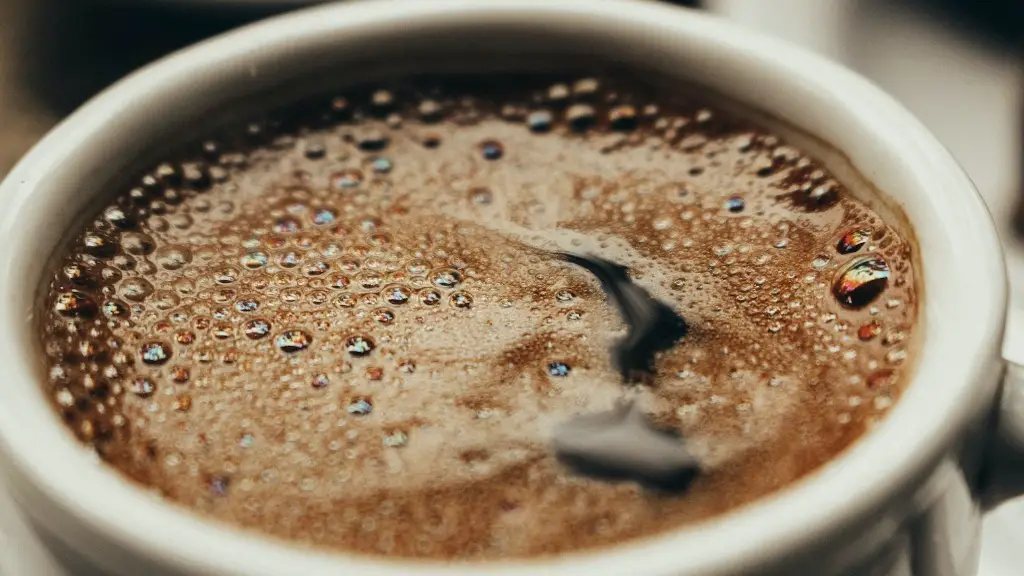
Therefore, if you experience frequent daytime fatigue and regularly drink coffee, it is important to pay attention to your caffeine intake. Too much caffeine can have several consequences, including insomnia, irritability, headaches and increased anxiety. If any of these symptoms have become a problem, cutting back on the amount of coffee you drink can help.
Alternative Health Solutions
If you’ve noticed that you feel sleepy after drinking coffee, it might be a good idea to look for alternative health solutions. Adopting a healthy diet and lifestyle is key when it comes to maintaining energy levels. Eating a balanced diet that is rich in whole foods and cutting back on sugar and processed foods can help ensure your body is getting the nutrients it needs to stay energized.
Exercise is also important for energy levels. Regular exercise can help prevent fatigue throughout the day, boost your mood and even improve sleep quality. So adding some physical activity to your routine can be a great way to stay alert and energized.
Herbs and natural supplements are also options to help boost energy. Ginseng, guarana and ashwagandha are all known for their energizing effects and can be found in many health food stores. However, it’s important to talk to a doctor or healthcare professional before taking any herbs or supplements.
Conclusion

While coffee can certainly be helpful for a quick afternoon energy boost, it is important to pay attention to how it affects you. If you find yourself feeling tired or you start experiencing other symptoms after drinking coffee, it may be time to cut back or switch to a decaf option. Eating a healthy diet, exercising and taking natural supplements can also help to prevent daytime fatigue and make sure you feel energized throughout the day.
