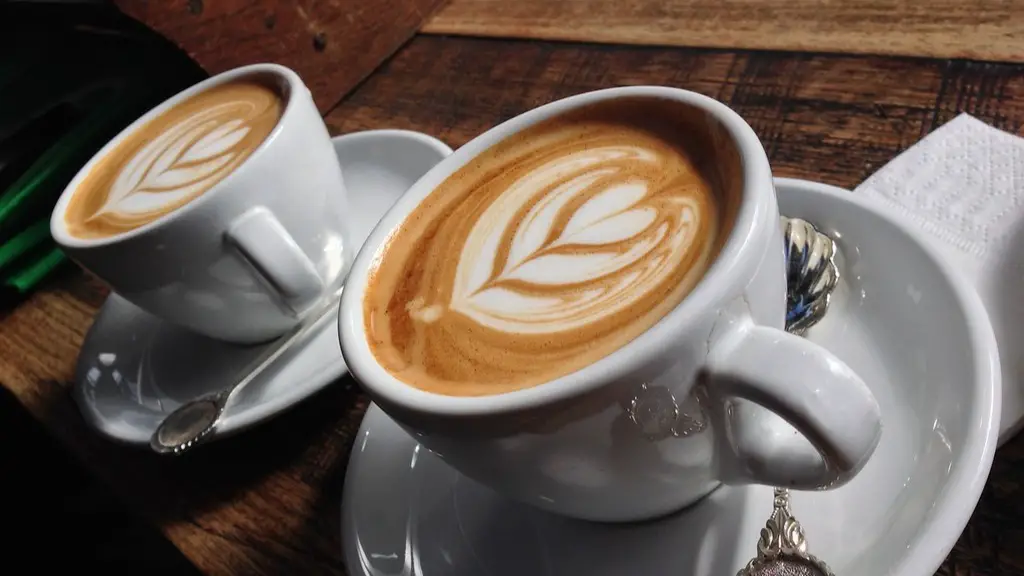
Why Can’t You Drink Coffee While on Your Period?
As many women know, a decrease in energy and an increase in physical and mental fatigue can be just some of the effects of menstruation. This can make it difficult to face a regular day, and many women rely on coffee or other caffeinated beverages as an energy booster and to help cope. But is it really a good idea to be drinking coffee during your period?
The answer, as with many things in life, is complicated. It all depends on the woman and the intensity of her period and the mix of other factors—including other medication she might be taking. To best understand why it might be a bad idea to drink too much coffee when on your period, we need to look at how caffeine and menstruation interact with each other.
It is suggested by experts that caffeine affects menstrual cramps because it is known for its vasoconstrictive qualities, meaning it can constrict blood vessels and reduce the flow of blood. While the flow of blood is reduced, the cramps might become much worse than they used to be, and the pain can become intensive and unbearable. Furthermore, while a cup of coffee or tea might make you feel more awake or alert, a hormonal surge experienced during a period can override the effect of caffeine, letting you feel even more tired than before.

It can be noted that caffeine also affects prostaglandins, which are hormones that affect menstrual flow by forcing the uterus to contract. A high intake of caffeine during menstruation can lead to higher levels of prostaglandins, which can result in more intensive cramps.
Last but not least, caffeine can make the duration of your period longer, leading to an even more fatiguing experience. This happens due to the hormones caffeine present in the product, with their effect being strongest on days of the heaviest blood flow.
In conclusion, it is suggested that the best approach to keep your period regular and its symptoms bearable is to reduce the intake of caffeine by avoiding coffee or other caffeinated beverages when bleeding. However, if you really need a cup of coffee to stay awake, try to limit your intake, as too much caffeine during your period can increase cramps, pain, and discomfort for some women.
Dietary Habits
It is possible to reduce the discomfort from period-related cramps with the correct dietary habits. Eating certain foods such as fruits may help to increase iron absorptions and reduce fatigue related to iron deficiency. In addition, foods high in iron, zinc and magnesium may be beneficial. Furthermore, unsaturated fats such as fatty acids Omega 3, 6 and 9 may be beneficial for cramping.
Consuming complex carbohydrates may also be helpful as they release energy slowly and help to maintain blood sugar levels. Vitamins and herbal remedies as well as mineral supplements may be useful to supplement the diet. If a woman’s period is heavy, or if she experiences other symptoms such as nausea, headaches, or back pain, diet may also be beneficial in helping to reduce those symptoms.
It is also worth noting that caffeine is not the only stimulant that should be avoided while on one’s period; consuming sugary foods and drinks provides a temporary boost that can be quickly wiped out due to crashes in blood sugar levels. Consuming refined carbohydrates can also leave women feeling sluggish and uncomfortable. In such cases, it is best to reach for something healthy such as whole grain carbohydrates or a snack that contains some protein.
Women’s Health
It is important for women to understand how periods can impact their overall health and wellbeing. Certain dietary changes can be beneficial for all women, including those who may be experiencing extreme discomfort from period cramps. In addition, those who are experiencing heavier than normal periods may benefit from lifestyle changes such as increasing physical activity or ceasing to smoke.
It is also essential to see someone or speak to a reliable source such as a doctor if any symptoms of depression or anxiety arise. Furthermore, women should not be afraid to ask questions regarding any medications they are taking and their effect on women’s reproductive health. Women should always be aware of how their choices and actions may impact their overall health, especially during periods of menses.
Mental Health
In addition to understanding physical health, it is also important for women to understand the potential effects of periods on their mental health. It is reported by experts that PMDD (Pre-Menstrual Dysphoric Disorder) can be experienced by some women and can include symptoms such as depression and anxiety. Other mental health issues such as panic attacks and difficulty concentrating can also be experienced by some women during specific times of their period.
There are a few things that can be done to try to reduce the feelings of discomfort or depression associated with PMDD. Women should try to reduce stress as much as possible, as well as making sure they get enough rest, exercise, and eat well. Adopting a healthy lifestyle during the month can help women stay focused and may help to reduce PMS symptoms.
In addition, women may benefit from activities such as mindfulness exercises, yoga, and meditation. Such activities can help increase the ability to cope and to manage the physical and mental symptoms associated with PMDD. Overall, each woman is affected differently by her cycle and should take the time to understand her body and how best to take care of herself during her period.
Treatments
Women who experience severe PMDD-related symptoms may need to be prescribed medication or consider alternative therapies. If any concerning or unusual symptoms are experienced, it is essential to speak to a doctor as soon as possible. Moreover, women should not hesitate to discuss any hormonal treatments they are currently using to treat their PMDD, as well as any side effects that they might experience.
In addition, visiting a Mental Health Professional can be beneficial in order to better understand and treat any underlying mental health issues. Certain medications such as anti-depressants might be prescribed to help reduce the feelings of depression or irritability. Non-drug treatments such as Cognitive Behavioral Therapy (CBT) may also prove helpful.
To summarise, it is important for women to be aware of how certain lifestyle activities and dietary habits can affect their menstruation-related symptoms. Furthermore, it is important to know when to take necessary steps to reduce the intensity of their symptoms. Knowing the answer to the question “Why can’t you drink coffee while on your period?” can help women make better decisions to help keep their period regular and to reduce period-related discomfort or fatigue.
