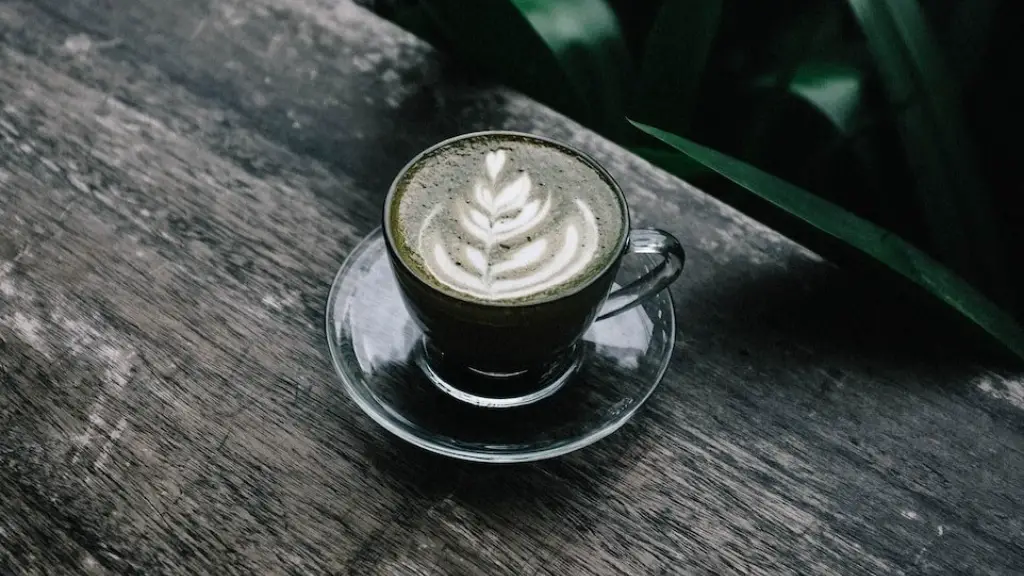
Coffee can be a beloved morning ritual for many people, adding a comforting warmth and energy to the start of the day. But for pregnant women, this pleasant moment of relaxation can have serious consequences. Caffeinated beverages, including coffee, have been strongly linked to various problems that can plague pregnant women and their unborn babies. Here we will discuss why you should avoid coffee during pregnancy, the potential risks posed by caffeine for mother and baby, and what you can do to get the energy you need.
Coffee contains a high amount of caffeine, a stimulant that can pose a serious problem for pregnant women and their babies. Caffeine is known to cross the placenta, affecting the development of the unborn baby. High amounts can increase the risk of stillbirth and can also lead to low birth weight, as well as other health issues in the newborn child. Caffeine also breaks down into other substances that can pass through the placenta and cause dehydration and nutrient deficiencies. Another possible risk associated with drinking coffee while pregnant is an increased risk of miscarriage.
Experts agree that pregnant women should avoid consuming too much caffeine. The American College of Obstetricians and Gynecologists recommends that pregnant women drink no more than 200 mg of caffeine per day, which is about one 8-ounce cup of drip-brewed coffee. Some studies suggest that any level of caffeine consumption can increase risk, so it’s best to avoid it altogether if possible.
But what can you do if your morning isn’t complete without a cup of joe? Fortunately, there are plenty of other beverage options that can give you a morning jolt of energy. Herbal teas, fruit juices, smoothies and decaf coffee are all excellent choices for pregnant women who need a break in the morning. If you’re having trouble giving up your caffeine habit, try tapering off gradually to avoid side effects. Quitting cold turkey can cause headaches, fatigue and irritability.
Although the effects of caffeine on a baby can be minimal if consumed in small amounts, it’s best to avoid it altogether to ensure the health and safety of your unborn child. Speak with your doctor to discuss a plan for reducing your caffeine intake. They may suggest supplements or medications to help ease the withdrawal symptoms.
What other effects can caffeine have on Pregnant Women?
Caffeine can have serious effects on pregnant women, too. Studies have shown that excessive caffeine intake can cause dehydration and electrolyte imbalances. It can also increase the risk of gestational diabetes and high blood pressure. Other possible side effects include insomnia, anxiety and difficulty concentrating.
Caffeine has also been linked to an increased risk of preterm labor and pre-eclampsia, a dangerous condition that can occur in late pregnancy. High blood pressure, protein in the urine and excessive weight gain can all be symptoms of pre-eclampsia. To prevent this, pregnant women should be extra careful to avoid caffeine and other stimulants during pregnancy.
Drinking coffee while pregnant is also linked to a higher risk of stillbirth, especially in the third trimester. If you do decide to drink coffee during your pregnancy, it’s important to limit your intake to 200 mg or less per day and avoid drinking it late in the day. This can help reduce the risk of stillbirth and other complications.
What should you do to reduce your need for caffeine during pregnancy?
Drinking plenty of water and eating a healthy diet can help you get the energy and nutrients you need during pregnancy. Eating small, frequent meals throughout the day can also help you keep your energy levels up. Make sure to include plenty of fruits, vegetables, healthy fats and lean proteins in your diet. Getting enough sleep, exercising regularly and managing stress are also key to maintaining good health during pregnancy.
Supplements may be recommended by your doctor to give your body extra nutrition during pregnancy. Iron and calcium, in particular, are important for healthy fetal development. Some vitamins can also help provide energy, such as vitamin B complex and vitamin C. Be sure to talk to your doctor before taking any supplements.
Should you drink decaffeinated coffee when pregnant?
Most experts advise pregnant women to avoid all caffeine, even if it’s decaffeinated. Decaffeinated coffee still contains trace amounts of caffeine, which can still pass through the placenta to the baby. There is no evidence that decaf coffee is any safer for pregnant women, so it’s best to avoid it altogether.

In general, it is best to err on the side of caution when it comes to caffeine and other stimulants. While small amounts of caffeine may not be harmful, it’s better to avoid it altogether to ensure the health of both the mother and the baby.
What if you really need a caffeine boost while pregnant?
If you need to get a quick boost of energy during pregnancy, there are some safe alternatives you can try. Eating a healthy snack such as a banana or an apple can provide a natural burst of energy without the unhealthy side effects of caffeine. Taking a short walk or doing some gentle stretches can also provide a quick energy boost.
If those options don’t work, there are some herbal tea blends made specifically for pregnant women that can provide a safe, natural boost. Look for a tea that contains ingredients like rooibos, ginger, nettle and chamomile, all of which can provide energy and other beneficial nutrients.
Are there any other dietary considerations for pregnant women?
It can be difficult to know exactly what foods to avoid or be cautious of during pregnancy. In general, pregnant women should avoid processed meats, raw fish and unpasteurized dairy. It’s also important to avoid alcohol and to practice safe food handling and cooking techniques.

Above all, it’s important to focus on eating a healthy, balanced diet to ensure the best possible health outcomes for both mother and baby. Speak with your doctor or a nutritionist to get customized nutrition advice tailored to your individual needs.
