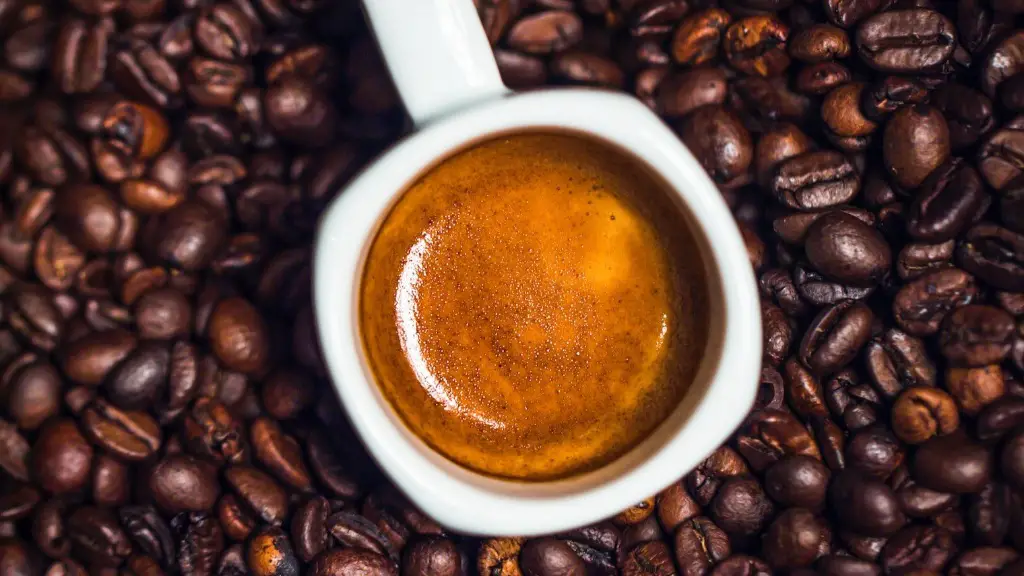
Americans’ love for caffeine
Many Americans feel the need to drink coffee almost every day. In fact, 65% of Americans drink coffee on a daily basis with around 20% drinking more than one cup daily, according to a 2019 National Coffee Association (NCA) survey. This sometimes creates an uproar, with some generations and those of a certain age viewing it as an unhealthy habit or an addiction. Organizations such as the National Institutes of Health (NIH) suggest that the average healthy adult drink no more than four 8-ounce cups of coffee per day.
The interesting fact is that the most common question about coffee, namely why do Americans drink coffee, is still debated today. Of course, there are plenty of reasons, with some argued more strongly than others. To get to the bottom of this popular beverage’s popularity in the US, let’s dive into people’s perceptions of coffee, the science behind this beverage, and the overall advantages that come with its ingestion.
Coffee’s History—Beyond American History
The origins of coffee and its first use as a beverage dates back to at least the 15th century (though its exact origin is unknown). Evidence suggests that it may have first been used in the Middle East and South Asia, likely when people discovered its stimulating properties. After its news spread, coffee quickly became a popular drink consumed around the world.
From the late 19th century onwards, thanks to the invention of new production techniques, coffee roasting and brewing increased significantly. Since its introduction to the United States in the 17th century, coffee has become an integral part of the American lifestyle. From the seemingly endless iced beverages in the midday heat to the classic brewed cup with breakfast, coffee is now available in almost all parts of the country.
The Three Factors That Make Coffee an Appealing Drink in the USA
When it comes to why Americans drink coffee, there are three key factors that make it popular. Firstly, there is the perception of coffee being an aid or facilitator in achieving success and meeting expectations, as well as its ability to affect alertness and concentration. Secondly, its strong cultural presence, either in terms of its traditional use or as a popular item of consumption at cafes and diners, is appealing to many. Finally, its taste, which is highly subjective yet easy to customize, also makes it a drink of choice for a wide range of people.
The consumption of coffee is also seen as a social activity. Given its enjoyable taste, it is the perfect activity to share with others—hence, the old saying, “a cup of coffee is a conversation starter.” Additionally, its various nutritional benefits, such as its antioxidants, esters and minerals, make it an attractive beverage for those aiming for a healthier lifestyle.
Coffee’s Role in the Workplace
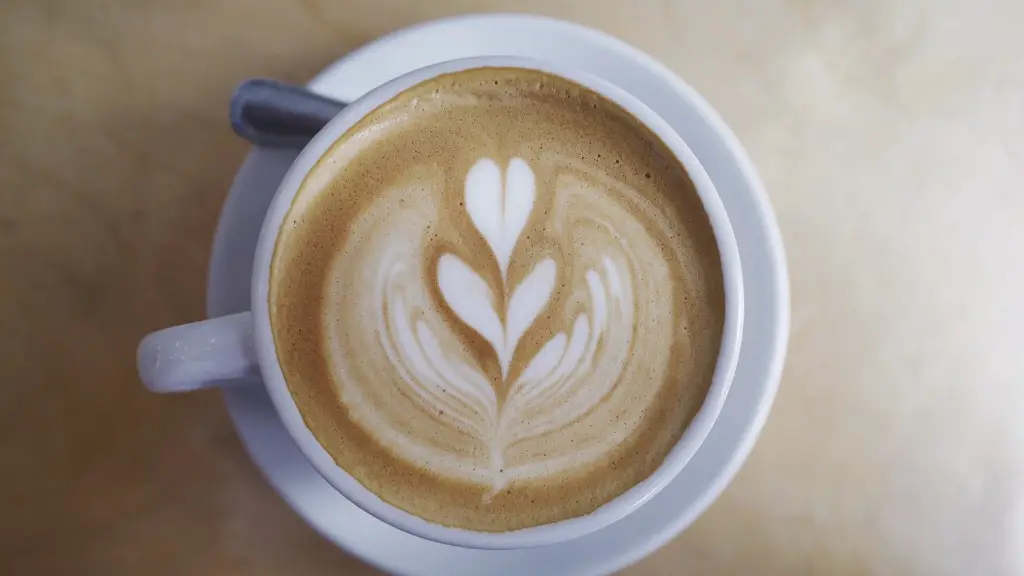
In the USA, coffee consumption is closely linked to the office culture, making it an indispensable part of the American professional landscape. Its stimulating effects are highly sought after, used as a way to keep people focused and motivated during long hours of work. In fact, a good cup of coffee is often a sign of productivity, that feeling of increased alertness and focus making it so popular in the corporate world.
According to researchers from the Harvard Business School, approximately 85% of surveyed office workers drink at least one cup of coffee daily. Furthermore, it appears that those who drink more coffee, equal to two or more cups daily, are more likely to feel more energized and alert, as well as less stressed.
Coffee’s Relationship With Health
Coffee has another important social element: health. People often worry about drinking more than one cup of coffee as it may place a strain on their bodies. But, while it is true that too much caffeine can have negative effects, research has shown that moderate coffee consumption can improve mental and physical performance.
A study conducted by the Harvard School of Public Health has found that moderate coffee consumption—three to five cups per day—is associated with an array of benefits, such as a reduced risk of type 2 diabetes and some forms of cancer. Moreover, people who drink coffee tend to be more active, though this is likely because they enjoy the activity.
Government Regulations — A Barrier to Coffee Drinking
It is also worth noting that in some U.S. states, caffeine is heavily regulated, just like with other drugs. This means that, depending on the state’s policy, those under 18 cannot purchase coffee without an accompanying adult. Moreover, there is also more stringent regulation around the selling of coffee, mostly due to its caffeine content. Some states are even working on taxation measures as a way to control coffee consumption. All of these restrictions could prove to be a barrier to Americans’ coffee-drinking habits.
Americans Embrace Coffee despite Challenges
In spite of all the challenges faced, coffee remains deeply embedded in the US culture. Worldwide, American coffee consumption appears to be the highest – with the National Coffee Association (NCA) reporting in 2019 that Americans drink the most coffee amongst developed countries.
America’s choice to embrace coffee is attributed to a variety of factors, most notably its strong cultural presence. Coffee is a convenient and affordable beverage, generally having no major health implications—especially if consumed in moderation. This makes it an attractive beverage for the majority of Americans, with many willing to overcome any challenges in their efforts to get their daily fix.
Coffee Consumption is On the Rise
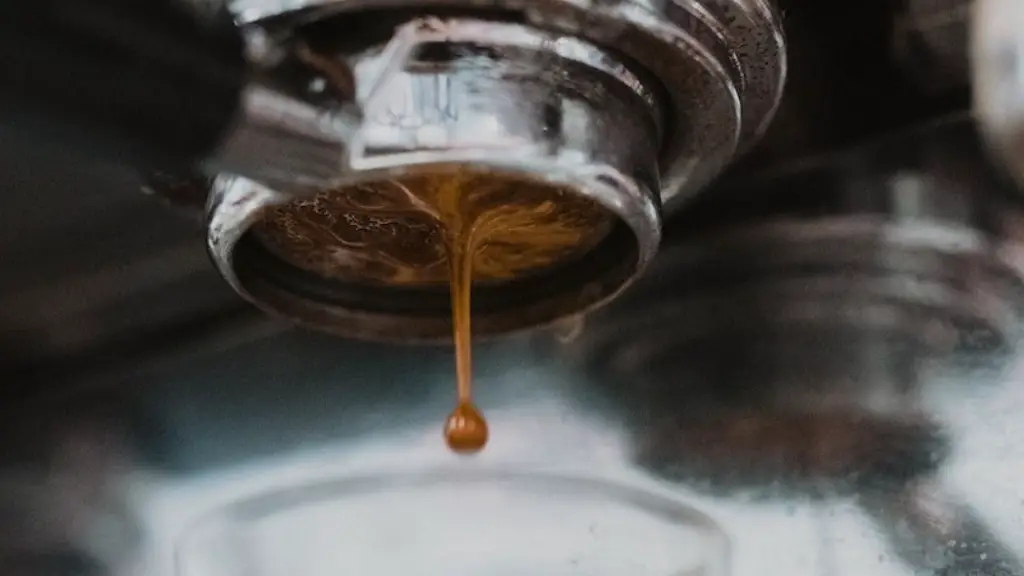
Coffee consumption is on the rise, with recent data showing increasing demand—especially amongst millennials, who have also embraced the emerging third wave coffee movement. The same market analysis reports that sales of specialty coffees are growing faster than those of regular coffees, with younger generations being a major factor in the market.
The increase in coffee consumption has also been linked to gourmet coffee cultures and the introduction of coffee experiences to the mainstream. There has been an increased demand for exotic and unique coffee experiences, such as espresso and specialty coffee options like café au lait, cappuccino and latte, to name a few. These new coffee trends are changing the face of the coffee industry and making coffee a more sophisticated and complex experience for consumers.
Advanced Coffee Brewing Techniques, Increased Variety
The introduction of advanced coffee brewing techniques and an increased variety of beans and blends has also led to a rise in coffee consumption. The emergence of different brewing methods has enabled baristas to unlock new flavours, enhance existing ones and make signature blends. This has led to the popularity of pour overs, cold brews and espresso extraction techniques, which offer consumers more choice when it comes to their coffee drinks.
As a result, many Americans are increasingly turning to craft beer-style coffee, roasters, speciality coffees and quality-driven espresso bars. This change has sparked a wave of independant coffee shops offering unique experiences, with many seeing craft coffee as an art form or as a sign of individuality.
Speciality Coffee Experiences
The focus on craft coffee is also centered on the rise of speciality coffee. This is defined as any coffee that scores over 80 points on a 100-point quality scale. The speciality coffee movement has been gaining traction in the past decade and has seen an increase in expensive brewing equipment being used by professionals and enthusiasts. Speciality coffees tend to focus on the origin and processing of beans, as well as having well-rounded flavours and a highly concentrated body.
The growing demand for speciality coffees has encouraged many independent coffee shops and artisan roasters to offer more exclusive coffees and unique brewing experiences. These speciality coffees are becoming increasingly popular amongst coffee lovers who are willing to pay a premium for a quality cup of joe.
The Breadth and Variety of Coffee
As its popularity continues to grow, it is certainly safe to say that coffee is here to stay. The breadth of types and varieties makes this beverage appealing to a broad range of individuals, with many people picking a drink based on their own tastes and preferences. Coffee has managed to become an integral part of the American lifestyle, with many finding comfort and personality in the warm, comforting and unique cups of coffee.
