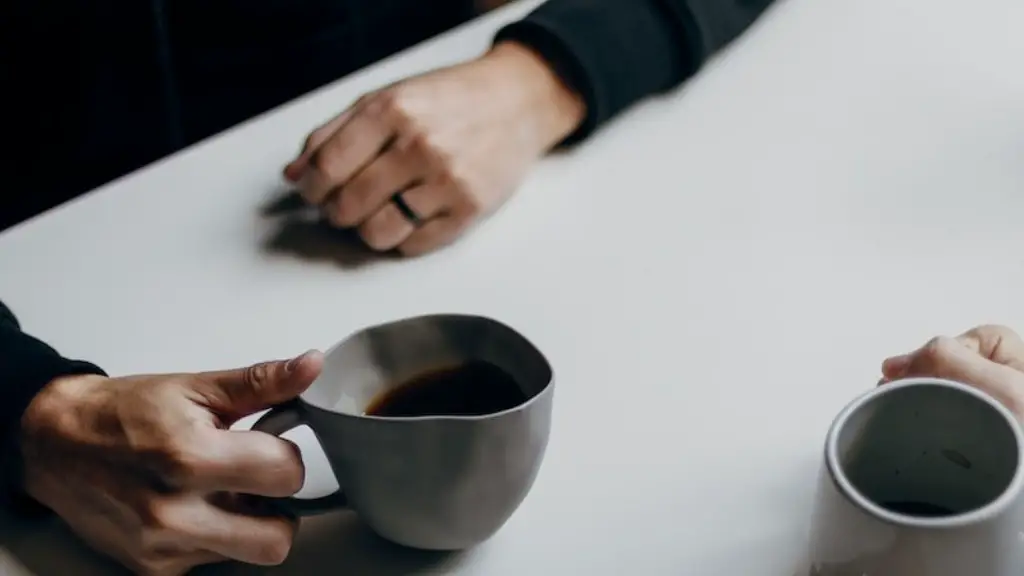
Most of us have probably experienced the nearly instantaneous urge to use the bathroom right after taking that first sip of our morning coffee. It can be quite alarming, and is often confusing, as you may have not had to use the bathroom yet that day. So, why does this phenomenon occur, and why do you usually have to poop after drinking coffee?
According to medical experts, one of the common effects of drinking coffee – specifically caffeine – is that it induces increased peristalsis. Peristalsis is the medical term for the contraction and relaxation of your intestinal muscles, which helps to move food through your digestive tract. Upon consuming caffeine, these muscles contract in an accelerated and intense manner; the speed and intensity of this process can cause a significant increase in the speed at which food makes its way through your digestive system.
The scientific explanation is that you have to poop mainly due to the effect of improved digestion. Caffeine has many short-term effects on the body, and one of them is an increased rate of digestion. This also increases the speed at which you feel the need to go to the bathroom. The urge will usually be felt immediately after drinking coffee, and this is often a surprise people. It is also possible that eating certain foods, or drinking other beverages, can influence peristalsis. The effects will also vary from person to person depending on their individual metabolic rate.
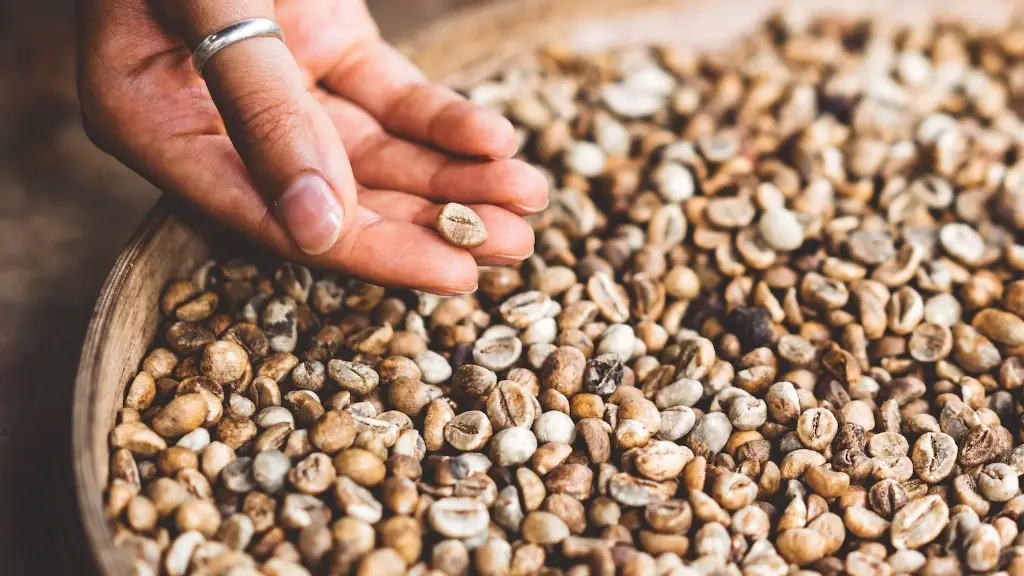
Although the scientific explanation may be logical and explainable, it still can be quite alarming when it happens. Most of us are so used to our regular morning routine, that any change can be a surprise and often a cause of concern. Additionally, it is important to remember that the reaction to caffeine can vary from person to person. For some people, the urge after drinking coffee may be barely noticeable, while for others, it may be fairly intense and frequent.
It should also be noted that although this effect of caffeine on the body may cause you to have to go to the bathroom, it can also present some health benefits. Caffeine has been proven to help with digestion, improve alertness and focus, increase metabolism and enhance the overall functioning of the body. Furthermore, the increased peristalsis of the intestinal muscles helps to improve the digestion of food by forcing the food along the digestive tract at a faster rate.
Therefore, it is safe to say that the need to poop after drinking coffee is not really something that people should be worried about; it is simply a natural reaction of the body to the stimulants present in coffee. In fact, drinking coffee has many short-term and long-term positive benefits, and the increased peristalsis after consumption is just one of them. So, if you ever feel the urge to use the bathroom immediately after drinking coffee, don’t worry; it is perfectly normal and nothing to be concerned about.
Hydration
It is also important to stay hydrated while drinking coffee. In some cases, dehydration can lead to increased peristalsis and increased need to urinate. Therefore, it is recommended that you drink plenty of water throughout the day in order to stay properly hydrated. This is especially important for those who drink coffee regularly, as coffee is a diuretic and can cause increased urination if not balanced with proper hydration

Drinking plenty of water is also a key component of overall good health, and can help to improve the effectiveness of the many other benefits of coffee. Drinking water helps the body to absorb the antioxidants and vitamins in coffee more effectively, as well as aiding in digestion and helping to flush out toxins. Furthermore, drinking water helps to regulate your body temperature and keeps your digestive system functioning properly.
Dehydration can also lead to a range of other symptoms, such as fatigue, headaches, and muscle cramps. Additionally, it can cause your heart rate to become irregular, which can lead to further health complications, such as increased risk of heart attack and stroke. Therefore, it is important to stay properly hydrated throughout the day, not just when drinking coffee.
Caffeine Alternatives
If you find that having to go to the bathroom immediately after drinking coffee is too disruptive to your daily routine, there are other alternatives to consider. Decaffeinated coffee is one option, but it should be noted that decaffeinated coffee still contains small amounts of caffeine, which can still cause the urge to urinate. Additionally, there are also non-caffeinated drinks available, such as herbal teas, energy drinks, and juice. These beverages are free of caffeine and other stimulants, and can provide you with the added energy boost that you may need without having to worry about bathroom trips.
It may also be beneficial to look into different strains of coffee beans, as some may be lower in caffeine than others. Arabica beans are the most common type of beans and are typically lower in caffeine than Robusta beans. Additionally, cold brew coffees are usually much lower in caffeine than traditional hot coffees, as the brewing process releases fewer of the stimulating compounds found in coffee beans.

Finally, it is also possible to simply reduce your overall caffeine intake. Many experts recommend limiting your daily caffeine intake to two or three cups of coffee, as this is reported to still provide the desired benefits without increasing the chance of bathroom trips. Furthermore, it is also important to note that caffeine can have different effects on different people, so it is a good idea to pay attention to your body and find the right balance that works for you.
Monitoring Intake
It is important to keep track of your caffeine intake throughout the day. This will help you to stay within the recommended limits and it will also help to identify any potential issues that may be causing an increase in peristalsis. Additionally, monitoring your caffeine intake will help you to identify any potential health issues that may be related to over-consumption of caffeine.
Caffeine can also interact with certain medications, so it is important to speak to your doctor before consuming large amounts of caffeine. It is also important to remember that pregnant women, children, and people with certain medical conditions should typically avoid caffeine. Lastly, while drinking coffee can have various health benefits, it is important to keep in mind that moderation is key. Too much caffeine can cause a range of negative side effects, including headaches, anxiety, and restlessness.
Consultation with Medical Professionals
If you’re experiencing frequent and intense peristalsis after drinking coffee, it may be beneficial to speak with a healthcare professional. A doctor can help determine if there are any underlying medical conditions that could be causing the issue. It is also important to remember that lifestyle and diet can also have significant effects on peristalsis. For example, certain foods can increase peristalsis and make you feel the urge to go to the bathroom more quickly.

It is also important to talk to a medical professional about your caffeine consumption. As mentioned previously, it is important to keep your caffeine intake to a moderate level; too much caffeine can lead to a vast array of issues, including anxiety, restlessness, and even high blood pressure. A doctor can help you determine the right level of caffeine consumption that works best for your individual needs.
Summary
Having to go to the bathroom right after drinking coffee may be confusing and alarming, but it is a perfectly normal and natural reaction of the body to the stimulants present in coffee. The urge is often caused by increased peristalsis, which is the faster and more intense contraction and relaxation of the intestinal muscles, as a result of consuming caffeine. To prevent disruptive bathroom trips after drinking coffee, it is recommended to stay hydrated and consider alternative caffeine sources, such as teas, or reducing overall coffee intake. Lastly, if the issue persists or becomes more intense, it may be beneficial to consult a medical professional.
