What Is the Link Between Pooping and Coffee?
A lot of people might have come across this peculiar phenomenon where they have to poop right after drinking coffee – some within minutes So what is the science behind it?
The answer is simple – caffeine! Caffeine has been proven to relax your intestines, which then triggers your body to enter into a process known as peristalsis, where wave-like contractions move food, fluid and waste through the intestines and colon.
Research from Harvard Medical School suggests that caffeine reaches its peak levels 30 minutes after you’ve consumed it. The metabolization of caffeine can cause your body to flush out water. This means that you’re effectively dehydrating your colon – which can cause it to pass stool more quickly and efficiently.
Moreover, caffeine has been found to increase the release of hormones known as cholecystokinin and gastrin, furthering your ability to defecate.
However, it’s important to note that this phenomenon doesn’t only occur with coffee. Tea, energy drinks and other forms of caffeine-loaded beverages can also have the same effect.
For some people, too much caffeine can lead to dangerous levels of dehydration, which can cause headaches, fatigue, and mood swings. So it’s important to be aware of your limitations and know when to stop drinking caffeinated beverages.
What Factors Come into Play?
The intensity of the ‘poop reaction’ varies from person to person. Diet and age are two major factors that come into play when looking at caffeine sensitivity – older individuals and those with a largely vegetable-based diet are more likely to feel the effects of caffeine quicker.
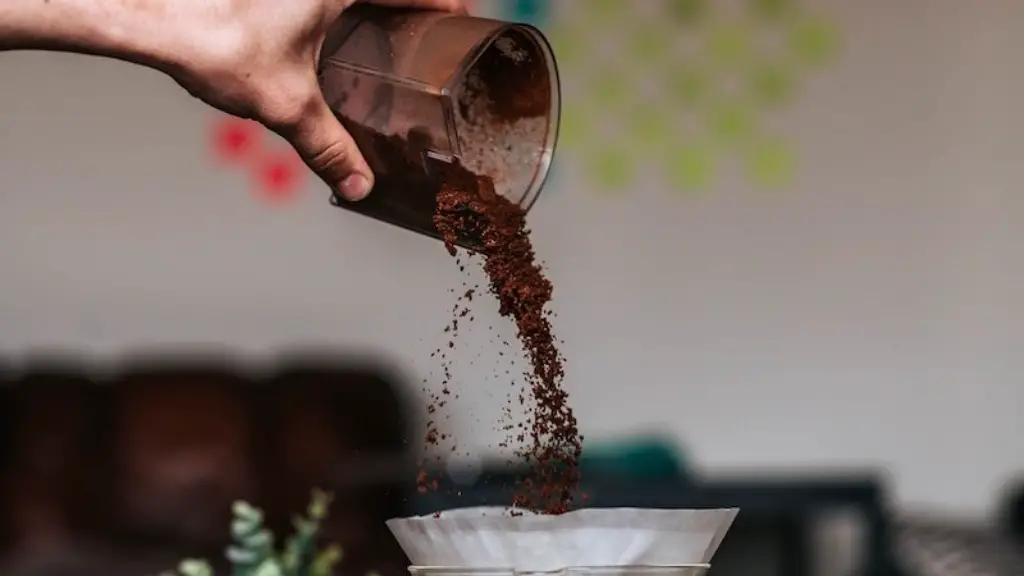
Interestingly, studies suggest that people respond differently to different types of coffee. For instance, dark roasted coffee beans are said to have 60% more chlorogenic acid than lighter roasted beans – which can cause the adverse effect discussed earlier.
Overall, studies have found that any type of caffeine-loaded beverage can cause a person to poop. This effect is observed to be greater if the beverage or drink also contains acidic components, such as those found in coffee and tea.
How Can I Use this Knowledge?
This knowledge can be used to one’s advantage, especially if you’re in an environment where going to the bathroom is not easily possible. Before taking a long journey or attending an event, consume a cup of coffee so you can be sure to empty your bowels ahead of time.
On the other hand, if you’re a runner or a cyclist, having a cup of joe before a long ride could help you stay energized right up until the finish line. This is because the bowel contraction and relaxation generated by caffeine will help increase the amount of energy and nutrients absorbed and used by the body.
What Else Can Play a Role?

Apart from caffeine, other components like saturated fats and foods high in fiber could also play a role in triggering the urge to poop. This is because food components like these stimulate the muscles in the intestinal walls and cause them to contract.
Moreover, certain medications like painkillers and antidepressants can also stimulate the gastrointestinal tract and lead to frequent trips to the bathroom. So it’s important to discuss this with your doctor if you find yourself having to go more than normal.
The urge to poop is a normal part of your digestive process and won’t necessarily indicate a problem if it is occurring in a controlled manner. If you find yourself feeling excessively uncomfortable, it’s worth a visit to the doctor to rule out any underlying causes.
What Are the Alternatives?
There are numerous alternatives to caffeinated beverages that can give you an energy boost, but won’t make you head to the bathroom shortly after. Consider natural remedies such as herbal teas which contain antioxidants, or a glass of orange or grapefruit juice which will fill you with energy and nutrients.

For those looking for something more powerful, try out drinks such as Matcha tea, which contains around 70mg of caffeine per cup – the same level as a cup of brewed coffee. It also contains L-theanine, an amino acid proven to help regulate your mood and slow down the absorption of caffeine.
If caffeine is a must for you, it may be more beneficial to drink it in the morning. This is because your body is usually more prepared to handle the flush that comes with caffeine intake during this time.
Can I Stop the Effect Altogether?
The short answer is no. The effects of caffeine in the body take time to build up. So abstaining from coffee won’t offset the process of peristalsis already triggered. That said, abstaining from caffeine over time can result in a reduction in the intensity of the reaction.
You can also try to decrease the intake of caffeine gradually, or even opt for decaf every once in a while. It is also important to stay hydrated, as a dehydrated colon will have an easier time pushing stool through.
Finally, consider avoiding coffee or other caffeinated beverages 15 minutes before or after meals. This will minimize the effects of peristalsis by not disrupting the digestion of food.
Is This Necessarily a Bad Thing?
Although it may not be the most comfortable experience, the answer is no. As discussed earlier, the effects of caffeine can be useful if you’re in an environment where going to the bathroom is not easily possible. Additionally, studies suggest that caffeine can help with better bowel movements, even if it may not always be comfortable.
Recent research has suggested that drinking coffee can protect against disorders such as irritable bowel syndrome, inflammatory bowel disease, and even colorectal cancer. This is because caffeine is said to have antioxidant, anti-inflammatory, and anti-allergy-like effects.
The key takeaway is that caffeine can be beneficial – as long as you consume it in moderation and within your own personal tolerances. Keep track of your caffeine intake, and if you’re concerned, consult your doctor.
Are There Any Risks Involved?
When you reach a certain threshold of caffeine intake, it becomes important to note the potential risks involved. Too much caffeine can cause stomach problems, restlessness, headaches, and even insomnia.
Moreover, if you’re a pregnant woman, it is important to note that caffeine can cross the placental barrier and enter your baby’s bloodstream. Ensure that you limit your caffeine intake, as too much caffeine can cause an irregular heartbeat in the fetus.
If you’re experiencing any of these symptoms, it is important to reduce your caffeine intake and talk to your doctor if necessary. Make sure to pay attention to your body, and drink caffeinated beverages in accordance with your own personal tolerances.
Will This Reaction Change Over Time?
Several factors cause the reaction to differ from person to person. As discussed, age and dietary habits can play a role. Additionally, people who drink more coffee or any caffeinated beverage eventually become accustomed to the effects and no longer experience the ‘poop reaction’.
After a certain amount of time, your body will become used to the effects of caffeine and the amount of stimulation required to trigger the urge to poop will be greater than in the initial stages.
So as long as you keep track of your caffeine intake and know your own limitations, this reaction can be minimized over time.
