
Why does drinking coffee give me anxiety?
Coffee is renowned across the world for its energizing effects. Every day, millions of people rely on it to give them a much needed jolt of energy, or to stay focused during a long day of work or studying. Yet, not everyone is a fan of coffee, as some people report that it can actually cause anxiety and stress.
The relationship between coffee and anxiety is not black and white; what might cause anxiety in one individual could be perfectly fine for another – it largely depends on the individual’s sensitivity to coffee and the amount they have consumed.
Caffeine is the ingredient in coffee that gives it a stimulant effect, and it works by blocking the neurotransmitter adenosine, which in turn causes dopamine to be released. This dopamine is then responsible for the sharp focus, energy and alertness we feel.
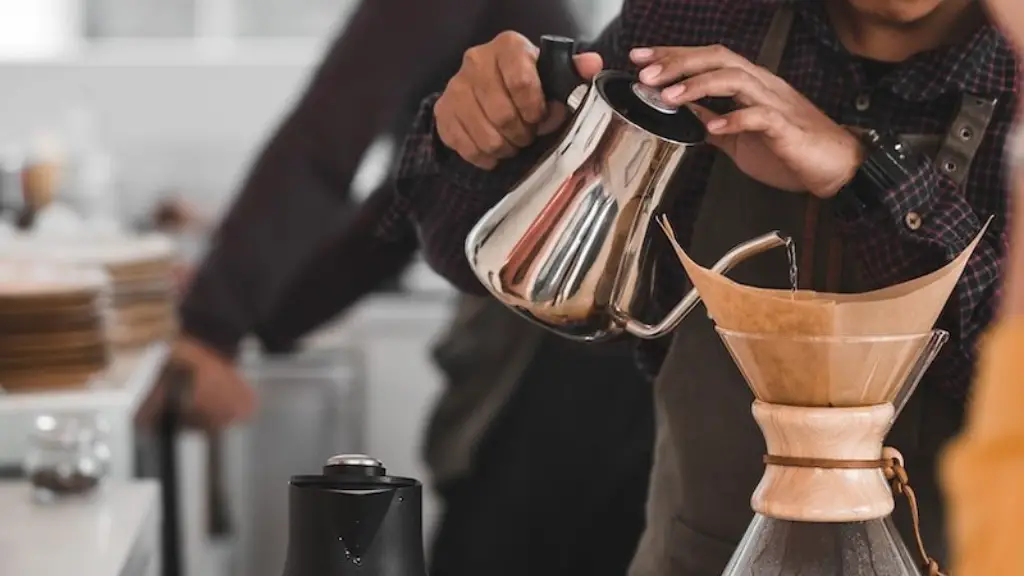
However, too much caffeine can prompt an adrenaline rush, and this can lead to feeling jittery and anxious. Other symptoms of caffeine overdose include rapid heart rate, palpitations, headaches, restlessness and insomnia.
To be extra cautious, it’s recommended to not exceed four cups of coffee per day. Even if you don’t feel particularly anxious after a cup of coffee or two, be aware that high levels of caffeine can still affect your sleeping pattern, which can in turn cause increased anxiousness – after all, not enough quality sleep lowers one’s mood.
Moreover, the way coffee is prepared can also affect anxiety levels. Espresso based drinks might contain a higher caffeine content and could cause a further rush of adrenaline, depending on one’s caffeine sensitivity.
To be sure, coffee drinkers can monitor their caffeine intake by opting for lighter roasts. Light roasts are low in caffeine, and also have less acidity than medium to dark roasts, making them a healthier option for those who are otherwise sensitive.
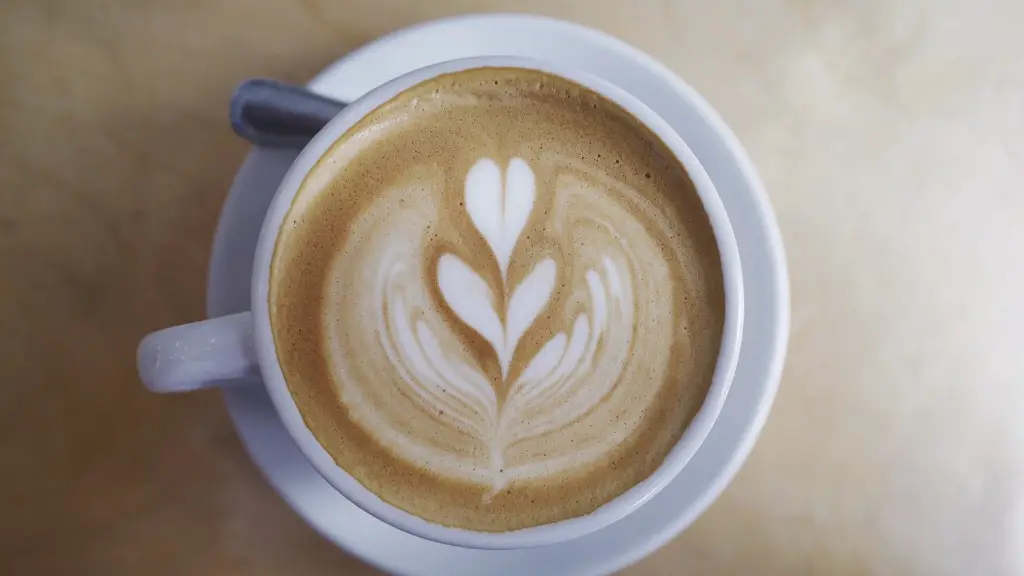
In the end, if you believe that drinking coffee gives you anxiousness, it’s best to find a different way to get your energy boost: go for green tea, or even try a fruit smoothie – or maybe just get some fresh air!
Alternative ways to get energized
The majority of us depend on coffee to give us an energy boost throughout the day, but for some of us, too much caffeine can cause the opposite of that – an overly stressed and anxious feeling. In those cases, it’s best to steer clear of that morning latte, and look for alternative ways to get energized.
Green tea is one of the most popular alternatives to coffee because it contains caffeine, but not as much as coffee does. Further, green tea is a great source of antioxidants, which are known to make you feel more energized and reduce tiredness.
Another option is to opt for a fruit smoothie – it’s packed full of energy, thanks to all the vitamins and minerals found in fruits. As such, it will give you a natural lift of energy when you’re feeling sluggish.

Furthermore, you can also rely on your old friend – exercise. Even though it may seem counterintuitive to hit the gym after an already tiring day, the reality is that physical activity releases a bunch of dopamine into your system – the same neurotransmitter that is released after drinking a cup of coffee. And best of all, you don’t have to spend hours at the gym; a 15 minute run can do the trick.
Lastly, if all else fails, it’s worth considering simple solutions like getting some fresh air and taking a walk around the block. It might just be the break you need to energize and reset your mind.
Meditation techniques to reduce anxiety
Caffeine sensitivity is an individual-dependent phenomenon, but there are other ways of reducing anxiety when it comes to our daily rituals. Meditation is a tried and tested practice to calm down our frenzied thoughts and overthinking, thereby reducing stress and anxiety.
One of the most widely known and practiced processes is the ‘4-7-8’ breathing technique, devised by Dr. Andrew Weil. To begin, put your tongue to the roof of your mouth, then exhale completely through your mouth and make a ‘whoosh’ sound. Then inhale for four counts, hold the breath for seven, and exhale for eight. Repeat this process three times, and soon you’ll find your anxiety levels have decreased significantly.
Another technique is progressive muscle relaxation. Start by tensing your frontal scalp muscles and hold it for five seconds, and then, while still focusing on the same muscle group, release all the tension slowly. Then repeat the same process for all areas of your body, moving slowly to your chest, arms, stomach, legs, and so forth. Eventually all muscles in your body will be relaxed, prompting a more relaxed state of being.
Lastly, mindful yoga has recently enjoyed a surge of popularity, as it not only relaxes muscle tension, but also promotes a mindset change and increases the oxygen flow in the body. As a result, it prompts a profound sense of relaxation and mindfulness, allowing our minds to become ‘untangled’.
Consult a professional
If coffee and other techniques don’t help reduce your anxiety levels, it’s always worth consulting a professional. Seeing a doctor or a counsellor will help you figure out the root cause of your anxiety and give you proper advice on how to deal with it. After all, stress and anxiety can be affecting other aspects of your life, and only a professional will be able to give you the advice you need.
There are plenty of options out there, from counselling to cognitive behavioural therapy, to all sorts of therapies such as Vitamin B injections, which are known to reduce feelings of fatigue and improve overall wellbeing.

No matter the method, the crucial point here is to know what options are out there, and to take that first step to seek help. It might not be the easiest thing to do, but the rewards will be plenty.
Self-care and relaxation
Not all of us can have the luxury of a trip to the spa or a massage, but taking some time off to tend to your physical and mental wellbeing is vital. Practicing self-care can come in many forms, whether it’s taking a leisurely walk in nature, or curling up in bed with your favourite book.
The daily grind can be tough, and it’s natural to feel fatigued and run down from all the hustle. At some point we all need to take a break, even if it’s just for a couple of hours, and do whatever we please. Anything from listening to music, dancing, or pampering yourself with a bubble bath – all of these can be beneficial for the days to follow.
It’s true that one has to take heed of the amount of coffee consumed daily, but it’s important to remember that our physical and mental wellbeing is just as important. Reducing stress levels and taking some time for yourself is a key component in avoiding feelings of anxiousness and over-caffeination.
Make time for quality sleep
To be sure, quality sleep is a cornerstone of physical and mental health. Without proper rest, one will find it difficult to concentrate – and the more caffeine one takes, the longer it takes for the body to recuperate.
As such, adopting a good sleep routine is paramount. Try to go to bed and wake up at the same hour every day, and make sure to create a peaceful, uncluttered environment to rest. Electronics such as TVs and phones should be turned off well ahead of going to bed; they emit blue light which can negatively affect sleep.
Reducing caffeine in the afternoon and opting for decaf versions can also be of great help. Mental exercise prior to sleeping can also help reduce distractions and stress – this can mean anything from reading a book to writing in a journal.
All in all, quality sleep is one of the most effective ways of reducing stress and anxiety. After all, no amount of caffeine will be effective if your body is in need of a good rest.
