
As I started to make a more conscious effort to reduce my environmental footprint, I started to reconsider my coffee drinking habits. It was more than just an unhealthy addiction – it was a habit that was environmental unsustainable, costly and that disrupted my sleeping patterns. Here, I outline why I decided to quit drinking coffee, how my decision has impacted the environment, and share expert perspectives on taking the same steps.
My journey to quitting coffee started with a lot of research. I was drinking between four and five cups of coffee a day – and it was having an impact on my physical and mental health. I was feeling panicky and sensitive to caffeine, and it was leaving me feeling drained after drinking each cup. Coffee was becoming something I relied on to get through my day – and that was something that scared me. According to research from Harvard Medical School, it was clear that I needed to make a change and cut back on my caffeine consumption.
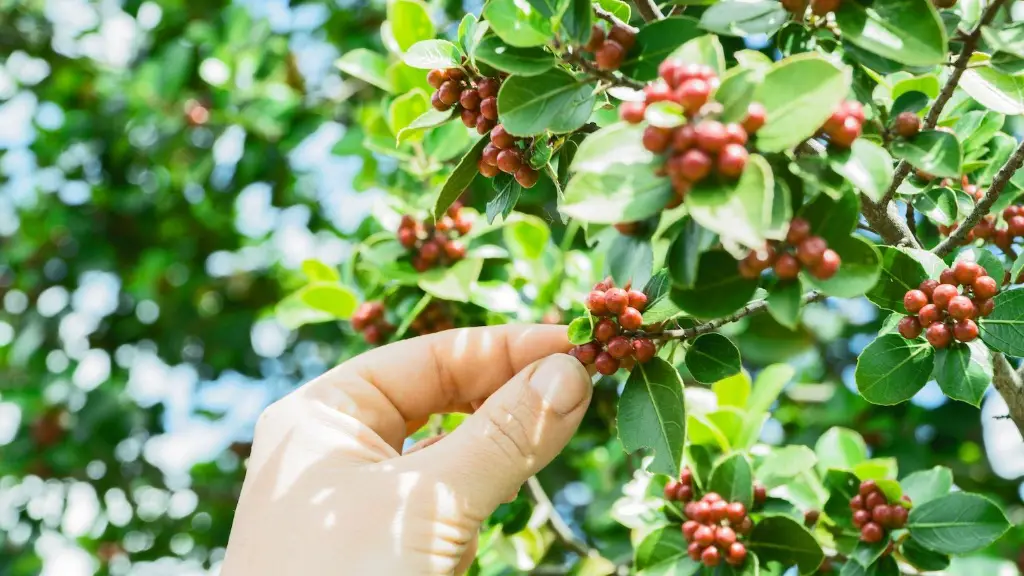
From an environmental perspective, I knew my coffee habit was unsustainable. Starting from where it’s grown to the cup it reaches my hands in, every single step of the coffee making process leaves a significant environmental impact. From impacting water and soil resources to producing more waste when using throwaway cups, drinking coffee can even leave an impact on air quality, according to figures from The World Bank. When combined with my personal health effects, this was a clear sign that I needed to reexamine my coffee habits.

When it comes to replacing coffee with more sustainable habits, experts all agree that the best approach is to replace coffee with other, healthier alternatives. Physical exercise is key – drinking more water through the day often reduces the urge to drink coffee. As for the mental effects, experts suggest trying yoga, mindfulness and even deep breathing exercises. Slowly replacing coffee with these activities can have a positive impact both on your health and the environment.
As part of quitting, I started to draw up a plan that included substituting my coffee with more sustainable habits. I started by buying a reusable cup that was made of recycled materials, so that I could still visit my favourite coffee shops and not waste paper cups. Through regular practice, I was soon able to totally replace my coffee habit. My plan worked and I was able to totally break away from my addiction – mentally, emotionally and financially.
Money Saving
One of the immediate benefits that I noticed after quitting drinking coffee, was the amount of money I was saving. I was shocked at how quickly the savings added up! The average person can spend up to “$25 per week” on single-use and throwaway coffee, according to calculations from Environmental Defense Fund. Moving away from single-use coffee had a huge financial advantage, and I started investing the money I saved into more sustainable habits.
To make things easier, I kept a tally of all the purchases I was making – including the cost of what I was saving. Keeping the figures in front of me made me realize how wasteful my habit really was. Seeing these numbers acted as a huge motivator and encouraged me to continue my journey of environmental sustainability.

On top of the tangible benefit of money saved, I also noticed what I was able to do with the extra energy I had as I decreased my coffee consumption. I started to take more frequent walks and exercises, and I felt myself having more energy to engage in activities I enjoyed.
Eating Habits
From the outside, many people don’t realize that drinking coffee can have an impact on an individual’s eating habits. I was shocked when I realized that my coffee habit was actually worseningsymptoms of my irritable bowel syndrome – known as IBS. After quitting drinking coffee, I began to monitor my eating habits, and started to transition towards healthier, sustainable and more nutritious options.
Achieving balance with healthy eating was a huge key for me in my journey of sustainability. I opted to eat more fresh and unprocessed ingredients and move away from refined and processed foods, which were damaging to the environment and were leaving me feeling sleepless, unfocused and unproductive. Through energy-packed eating and paying more attention to what I was eating, I was able to make sure I was getting enough nutrition throughout the day – an essential factor in achievingsustainability.
What I found especially helpful was downloading an app that specialised on sustainable and nutritious eating. Through the app, I was able to find out more about the food I was eating – ranging from the number of calories I was consuming, to the nutritional breakdown of each ingredient I was using. I started to tailor my meals to be more environmental – ranging from making sure I was buying local and in-season fruits and vegetables.
Eco-Friendly Alternatives
One of the first steps I took when quitting drinking coffee, was switching to more eco-friendly alternatives. For example, I started using loose leaf instead of tea bags, as it has a less environmental impact. Besides this, I replaced my synthetic tea bags to brandings of tea were made out of natural, organic and biodegradable fibres, such as jute and cotton.
I also started to reduce my packaging waste by opting for soy milk as of alternative to regular milk. According to data from the United Nations, producing soy milk has much less of a carbon emissions footprint compared to cow’s milk ($15 $kgCO_2 our comparison to $27$kgCO_2 for cow’s milk) and can also require less water to produce too. I also chose to make and store drinks from home – including making at-home smoothies and juices.
For those looking to make the same changes, just remember to factor in the financial impact of such changes, as organic, biodegradable items can be pricier than traditional, synthetic items.
Social Impacts
An unexpected benefit of quitting drinking coffee, was the social impacts that I noticed. I was more conscious of those around me and their habits, which is something that I found inspiring. Over time, I was able to build healthier relationships with family and friends, as well as learning from other people and their approaches sustainability.

I also started to see the way companies and cafes was changing their practices to reduce their environmental footprints. For example, many cafes I visited were no longer offering single-use cups, and were instead encouraging people to bring reusable cups instead. To make it easier for people to make changes, cafes were offering discounts for those who brought their own cups – an incentive for customers to make these changes.
From the data I looked at and conversations I had with experts, it was clear to see that a lot of companies were taking notice of unsustainable habits and were looking at ways they could reduce their environmental footprint.
Environmental and Ethical Considerations
Another key factor in my journey to sustainability was being mindful of environmental and ethical considerations. I paid attention to the source of the coffee I was purchasing – opting for ethically-sourced and sustainably sourced beans. Through my research, I found that buying directly from farmers was beneficial to minimise environmental impacts. This was a sustainable approach, as the prices received by the farmers’ was regulated, and all profits went back into the farmers.
I was also mindful that many coffee farmers are often seen as invisible in the coffee industry, and are rarely seen to benefit from the money made from the coffee they are growing. Sustainability for me became about considering the entire life-cycle of the products I was buying and making sure that everyone involved was benefiting from the coffee I was drinking.

Moving away from coffee and replacing it with more sustainable habits changed my life for the better. On both a physical and human level, quitting coffee gave me healthier and more energised lifestyle. Whatever your habits, sustainability starts with taking notice of the impact your lifestyle choices have on yours and the planet’s health – and being conscious of what you are consuming.
Creating a Routine
In order to make this transition easier and maintain a healthy balance between my environment and energy levels, I found following a routine important. Before I made any big changes, I wrote down my current drinking habits, my energy levels throughout the day, and how much money I was spending on coffee. This allowed me to get an understanding of my current situation and what I wanted to achieve.
I divided my days into weekly chunks, where I allocated one day for exercise and one for relaxation. I looked for activities I enjoyed, such as running, yoga, and swimming as alternatives to coffee that I could enjoy that would still release my endorphins. Thanks to this routine, I was able to slowly eliminate coffee from my daily routine while still following a structure.
Besides this, I also situated quiet and peaceful moments like meditation and yoga that allowed me to centre myself and recalibrate my energy. Paying attention to mental and emotional health was an essential part of my journey that allowed me to centre myself and stay on track with my goals.
Conclusion
Although quitting coffee was challenging, it was essential for my journey towards sustainability. I was ultimately able to build up the motivation and consistency I needed to completely quit drinking coffee. Through this process, I was able to gain more knowledge on how coffee can have an impact on environment, as well as in my personal health. Moreover, changing up my habits also taught me to be more mindful of the food I was consuming and the people involved in the coffee production.
I know that taking on such a task is daunting – which is why I highly recommend starting simple. From switching to reusable cups to decreasing the amount of coffee drank in a day, taking even the smallest steps can have a huge impact both on you and the environment.
