
The Benefits of Drinking Coffee in the Morning
From early mornings to late nights, coffee is an energizing beverage that has become an integral part of daily life. According to the National Coffee Association, 64% of Americans drink at least one cup of coffee per day. That’s no surprise – caffeine is proven to enhance alertness, and drinking coffee in the morning can have numerous benefits.
Coffee enhances alertness, making it an ideal beverage to kick-start the day. A study conducted by the British University of Bristol reported that caffeine reduces reaction time and increases accuracy in psychological tests. The results suggested that 94 mg of caffeine was the optimal dose for alertness, which is the average amount found in two cups of regular caffeinated coffee.
Coffee is packed with antioxidants, which are beneficial for overall health. Antioxidants are known for their anti-inflammatory effects and their potential to reduce the risk of developing cancer, heart disease and Type 2 diabetes. According to the Lipid-Related Metabolomics Laboratory at the University of Colorado, these antioxidants are released into the bloodstream from consumption of coffee and are able to provide numerous health benefits.
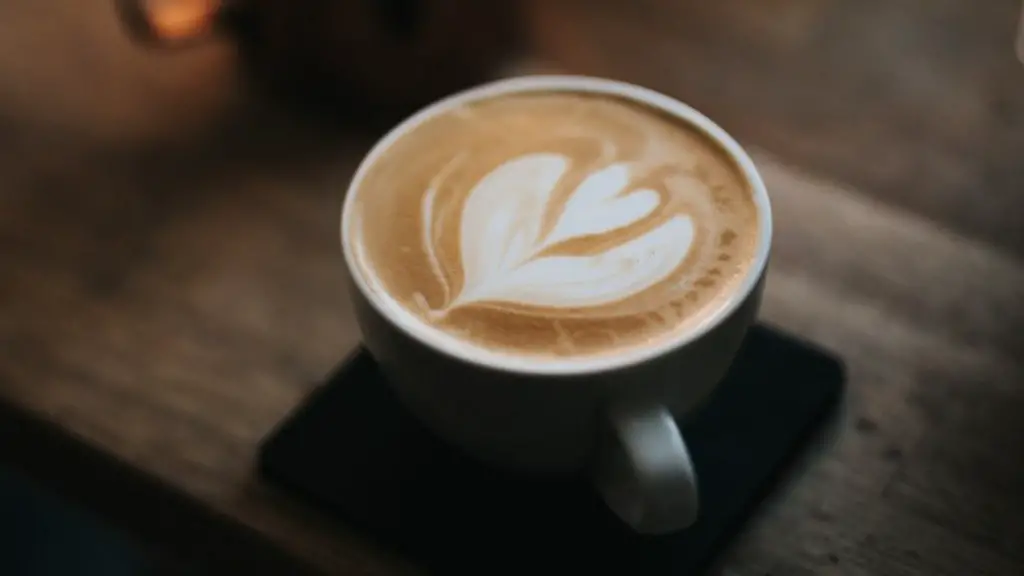
In terms of mental health, coffee has been proven to have a positive correlation to improved mental performance. A study by the American Journal of Clinical Nutrition found that coffee consumption can improve several aspects of brain performance including recollection and reaction time – great news for coffeeholics! Additionally, coffee has been found to reduce the hippocampal decline that occurs naturally with age, meaning that it can reduce the risk of developing age-related mental illnesses.
Brain fog and tiredness are inevitable in the morning, causing many people to struggle to start the day. When you drink coffee in the morning your body increases its production of the neurotransmitters serotonin, dopamine and noradrenaline, which help boost mood and alertness. This works together with the caffeine in coffee to reduce fatigue. Interestingly, a study published in the Molecular Psychiatry journal found that coffee consumption may reduce the risk of developing depression.
Finally, coffee is a great way to stay hydrated in the morning. Coffee contains mostly water, so by drinking it, you can avoid dehydration and make sure your body is receiving enough H2O. Without proper hydration, the body is unable to function optimally, so make sure you add coffee to your morning routine to reap the benefits.
Coffee Longevity
Though caffeine is a stimulant and coffee is undeniably a popular morning beverage, drank by millions every single day, coffee has been around far too long to be simply an energy booster. Coffee has been a source of culture, connection, and even a perk associated with work. Coffee is a beverage that has been around for centuries, and will continue to be a favorite among all ages, now and in the future.

Coffee has gone through many changes since it first was introduced to the world centuries ago. From being sold as whole roasted beans within the walls of churches to its industrial production, to being brewed in home drip machines, to becoming a well known global company such as Starbucks. Coffee is definitely here to stay.
Readers should keep in mind that coffee has been around since the 11th Century. Making its appearance in an Ethiopian Monastery before becoming popularized throughout the Middle East, Europe, and the Americas. Coffee has only continued to evolve throughout centuries, becoming a beloved and consumed drink for millions all around the world. With people drinking coffee all around the world, it is clear that it has become and will continue to be a mainstay in many cultures.
Nowadays, more and more people are becoming fans of specialty coffees and craft roasts, trying to explore the nuances of flavor and quality. Consumers are still exploring and trying new ways of brewing coffee, green beans, and even sourcing in old, forgotten growing regions to enjoy the unique taste and pleasure that it can provide. As the culture of coffee continues to expand, it is hard to imagine a life without this fantastic beverage!
Coffee Alternatives
For any coffee enthusiast, or for anyone who is looking for a slight variation on their traditional morning ritual, there are a variety of other hot and cold beverages that offer the same rush of energy as coffee, without some of the effects of caffeine.
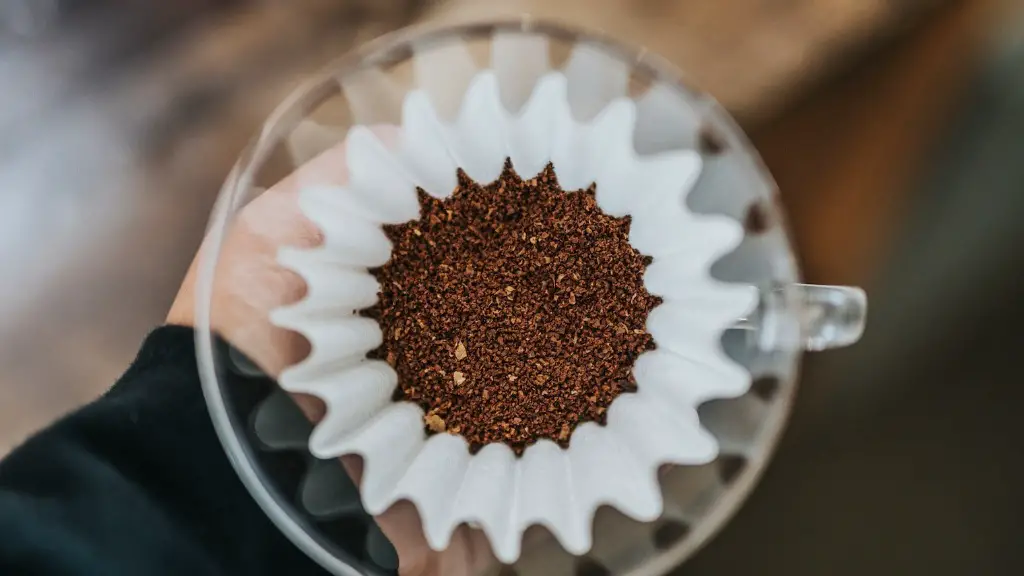
Tea is a great alternative. For anyone looking to reduce their caffeine intake, herbal tea is a great way to go. Herbal teas can come in a variety of flavors and can be a great way to start the day. Caffeine-free herbal teas, such as chamomile, rooibos and mint, can provide a relaxing start to the day.
Yerba mate is another great alternative. This herbal tea contains caffeine, but in smaller amounts than coffee, so drinking it will still give you an energy boost, without leaving you feeling wired. Yerba mate is also packed with vitamins and minerals, so it can provide you with some additional health benefits.
If you’re a fan of smoothies, try adding some caffeine into your morning routine in a different way. Matcha and green tea powder can be added to smoothies and milkshakes, providing the same energy boost as coffee, but with a sweeter taste.
Finally, you could try something completely different and opt for a nut milk-based beverage, like almond, oat or macadamia milk. They provide a different, but still energizing taste, great for anyone looking to try something a bit different in the mornings.
Coffee Roasts

Coffee roasts have become a popular way of exploring coffee in the comfort of one’s own home. Coffee roasts are the result of brewing coffee beans of different origins, to explore how the flavor profile changes with each different batch. Roasts are generally sorted by type of bean origin and the roast color.
Within the coffee community, there are three main types of roasts that are most often used for coffee roasting. The first is light roast, which is typically a light yellowish brown color and has a slightly sweet, citrusy flavor. This type of roast is often used for specialty coffees as it allows for more subtle flavor notes to shine through.
The second type of roast is medium roast. Medium roast coffee is generally a medium brown color and has a smooth, balanced flavor that is a bit more full bodied than a light roast. This roast is the most popular choice for coffee drinkers and is often what is used in coffee shops.
The last type of roast is dark roast. Dark roast coffee is usually a very dark brown color and has a bold flavor with notes of chocolate or caramel. This roast is stronger and often has more body to it than the other two types of roasts. It is great for coffee drinkers who prefer a stronger coffee flavor.
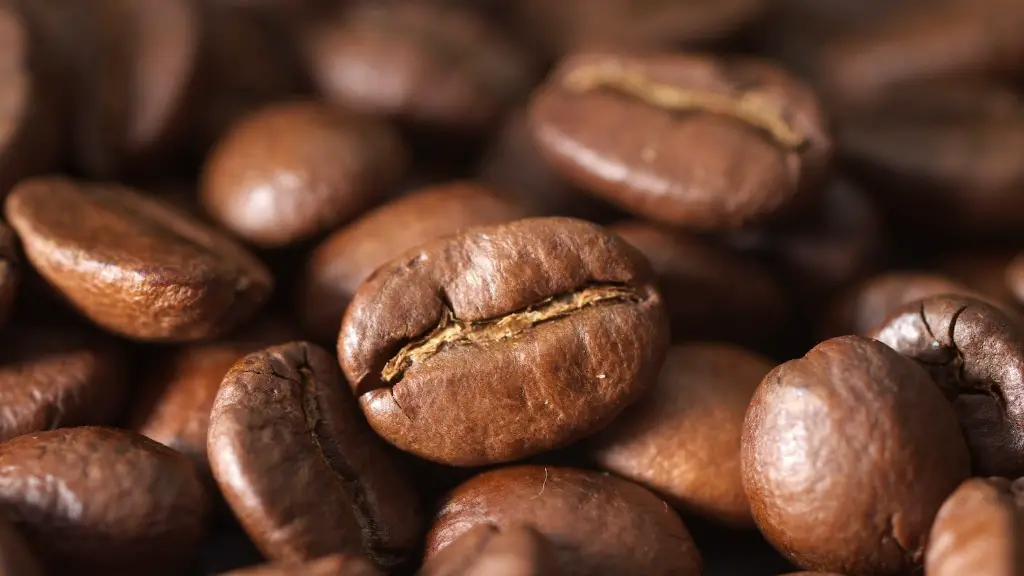
By exploring the different roasts of coffee beans, one can truly appreciate the complexity of the beverage. Whether it’s a classic cup of coffee, or something unique like a specialty coffee, coffee fans have the opportunity to explore and enhance their daily cup.
Environmental Benefits of Coffee
In the past few years, there has been an increasing focus on sustainability, and those in the coffee industry have been looking for ways to make coffee farming and production more environmentally friendly. From pesticide-free farming to eco-friendly packaging, there are a lot of initiatives to reduce the carbon footprint caused by coffee production. Here are a few examples of how coffee companies are working to reduce their environmental impact.
The use of pesticides and synthetic fertilisers is common in the production of coffee, but some companies are working to change that. Companies like Starbucks are turning to organic farming methods, which results in fewer toxic chemicals in the environment and healthier crops. Additionally, Fair Trade Certified coffee companies are using further sustainability initiatives such as reducing water waste and providing farmers with fair wages.
Coffee is also increasingly being packaged in eco-friendly materials such as recycled paper, biodegradable plastics, and compostable bags, to reduce the amount of waste generated. This not only reduces the amount of plastic waste being produced, but also cuts down on the amount of energy used in production, resulting in a much more sustainable product.
Furthermore, sustainable practices are also being developed by companies to reduce the energy used in their production processes. Companies such as Starbucks are developing recyclable energy sources and investing in renewable energy technologies to reduce their carbon footprint. The use of solar and wind energy is becoming more and more popular, as is using recycled heat from roasting processes.
As sustainability has become increasingly important for coffee companies, it is encouraging to see that many of them are taking steps to reduce their environmental impact. By supporting sustainable coffee companies, consumers are helping to ensure that coffee can still be enjoyed for years to come.
