Altering Diet: Impact on Teeth Whiteness
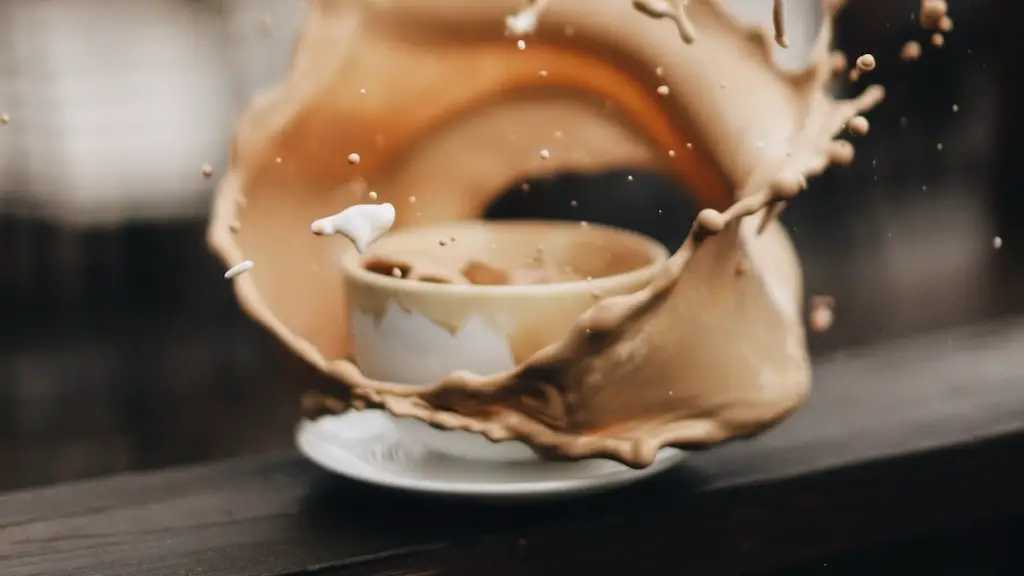
Many of us need our coffee fix in the morning. But how do coffee and tea affect the whiteness of our teeth? It seems that consuming certain drinks can stain and yellow our teeth over time. To understand how coffee affects the whiteness of our teeth, let us take a closer look at this topic.
It is well known that coffee and tea are acidic and contain tannins, which can stain our pearly whites. Tannins are an organic compound found in some plant-based products, like coffee and tea, that provide colouring and flavour. When we consume acidic drinks with teeth exposed to their surfaces, it increases the amount of staining on our teeth.
Many individuals are now choosing to be more mindful of what they drink in order to preserve the whiteness of their teeth. Most experts agree that limiting or eliminating coffee and tea consumption can help maintain tooth whiteness. Drinks that contain natural acid, like citrus-infused beverages, should also be limited or avoided in order to prevent de-calcification and to maintain tooth enamel health.

It’s worth noting that some foods and beverages are known to be more likely to cause staining woes than others. For example, dark-coloured drinks, such as coffee and tea, can discolour teeth much more quickly than other drinks, such as clear juices and sodas. In addition, consuming red wine and blueberries can also discolour your teeth.
Brushing our teeth immediately after drinking coffee may help to reduce staining. However, people should be aware that toothbrush bristles may be too abrasive for our enamel. A natural remedy like brushing with baking soda mixed with water, which helps remove any surface stains, should be done instead.
Overall, the answer to the question ‘Will my teeth get whiter if I stop drinking coffee?’ is a definite yes. Limiting or completely avoiding the consumption of coffee and tea, as well as any other acidic drinks, can help keep our teeth white and healthy.
Dental Hygiene and Tooth Whiteness
Achieving and maintaining whiter teeth or pearly whites can be a difficult task. It starts with proper oral hygiene and regular dental visits. Good dental hygiene can help prevent yellowing, discolouring, and staining of teeth, thus keeping them white and healthy for a much longer period of time.

It’s recommended that you brush your teeth twice a day, floss once daily, and use a microbial mouthwash that helps fight bacteria. Additionally, dental check-ups should be scheduled every six months to help detect any problems early.
While brushing and flossing are important to maintain pearly whites, it is equally important to choose the right toothpaste. Many toothpaste brands have whitening agents in their formulas, which help remove surface stain and keep teeth white. But it is important to read the labels to ensure that the toothpaste has the right ingredients that are recommended by dentists. Consulting with a dentist can also help you choose the right toothpaste.
Most of us want our teeth to be sparkling white; however, using the right toothbrush is equally essential. Soft-bristled brushes are always recommended by dentists as they cause less abrasion and thus less damage to the teeth. Medium and hard-bristled brushes should be avoided, as they wear down tooth enamel over time.
Finally, it is a good idea to avoid any products that may contain abrasive ingredients, such as charcoal toothpaste, which can be damaging to teeth. Instead, opt for products that contain mild abrasives, like baking soda, to remove surface stains.
Using Professional Whitening Techniques to Make Teeth Whiter
Most people have busy lives and don’t have the time to take extra care of their teeth. High consumption of coffee, tea, or other acidic drinks can lead to discoloured, yellowed teeth. Fortunately, there are professional whitening techniques available that can help restore pearly whites.
Professional teeth whitening techniques, such as laser whitening, provide immensely effective results without damaging your teeth. This technique uses a strong laser light to bleach the teeth and also activate the bleaching agents that penetrate deeply into the tooth. Oral surgeons offer laser teeth whitening treatments with excellent results.
It is also important to note that the laser technique is much faster and more effective than the traditional methods. On average, this procedure takes about an hour, while traditional methods may take several days to weeks to show results. Plus, the results from laser whitening last much longer than traditional methods.
There are many other professional whitening services available to restore your pearly whites. Other popular treatments include bleaching, power whitening/air abrasion, and professional enamel whitening. Each of these techniques uses special whitening solutions and other treatments to help whiten the teeth. Depending on the severity of discolouration, teeth whitening could be done at home or in the dentist’s office.

Whitening treatments can be expensive, so it is important to check with your dentist first. The cost of professional teeth whitening depends on the amount of discolouration, the type of whitening service chosen, and the time taken for the treatment.
Doing it Yourself at Home
Sometimes, people are hesitant to go to a professional for teeth whitening – whether from a lack of time or a lack of funds. Many people have tried DIY teeth whitening methods, ranging from over-the-counter products to home remedies. Let’s take a look at some of the most popular DIY teeth whitening methods.
One of the most common home remedies is to brush with baking soda and water. This helps to remove any surface stains and leaves your teeth looking yellow. Additionally, mixing baking soda with hydrogen peroxide or apple cider vinegar is a popular method of restoring the white colour of your teeth. Both ingredients contain bleaching agents that can remove any surface stains.
If you want to try a store-bought product, there are several popular kits available. These products contain bleaching gels, trays, and LED lights that are effective in removing surface stains. However, it is highly recommended to consult with a dentist before purchasing these products, as they may contain harsh chemicals that could damage enamel.

Another popular DIY teeth whitening method is to use oil-pulling. This method works best when done daily for up to 20 minutes at a time. It involves swishing a tablespoon of oil (coconut, sesame, sunflower, or olive oil) in your mouth for a few minutes to draw out toxins and stimulate teeth whitening entirely.
Using activated charcoal is also popular for teeth whitening. This is an absorbent substance that can absorb toxins and other substances like plaque, helping to whiten teeth. It is important to note that the method comes with some risks, as the charcoal can be abrasive and can lead to damage to the teeth.
Conclusion
Drinking coffee can cause staining on teeth that can negatively affect their whiteness. To maintain a luminous, white smile, it is best to avoid consumptions of acidic and tannin-rich beverages, such as coffee and tea. Practicing good dental hygiene, such as brushing teeth twice a day, and flossing regularly, can also help protect your teeth from staining and discolouration.
Additionally, professional teeth whitening services can be used to restore the pearly whites. Store-bought products, home remedies, and activated charcoal are some popular DIY treatments that can also help achieve whiter teeth. Regardless of the method chosen, it is important to consult with your dentist first to determine the best approach for your individual needs.
