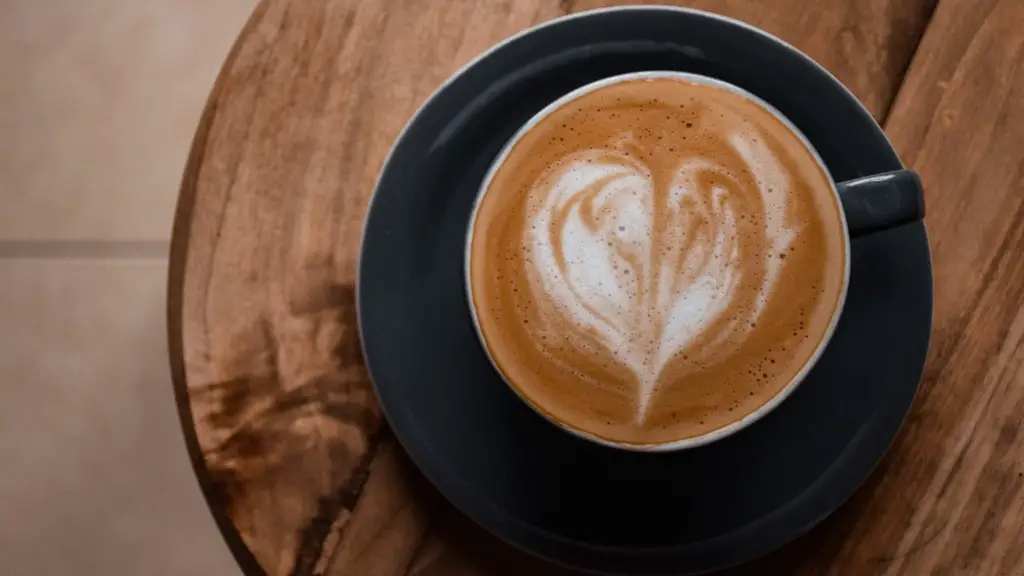
Coffee is a popular beverage among adults, but it’s important to know what age you can start drinking coffee. Children should not drink coffee at any age. Coffee contains caffeine, which is a stimulant that can be dangerous for children and adolescents.
In general, it is safe for adults to start drinking coffee at age 18. Caffeine can affect individuals differently and it’s important to drink in moderation. For those aged 18 and above, one to two cups of coffee per day is considered safe.
It’s also important to consider the type of coffee consumed. Regular and decaffeinated coffees are both available and may be beneficial in different ways depending on the person’s needs. Drinking specialty coffees such as espresso or cappuccino may provide an additional boost of energy, but they also contain higher levels of caffeine than regular coffee.
Potential Risks of Drinking Coffee
Coffee is a popular beverage consumed by people of all ages. Although coffee can provide a quick source of energy and mental stimulation, it can also come with certain risks. Caffeine is known to cause anxiety and insomnia in some individuals, which can lead to fatigue, headaches, and difficulty concentrating. Additionally, coffee can also irritate the stomach and intestines when consumed in high doses. Furthermore, too much caffeine consumption has been linked to an increased risk of osteoporosis and other bone-related conditions. Finally, people younger than 18 should not drink coffee since its effects on the body are still unknown at this age.
In conclusion, drinking coffee can be beneficial for adults who have no underlying medical conditions; however, it is important to be aware of the potential risks associated with it. Consuming moderate amounts of coffee while avoiding sugary additives or creamer is the best way to enjoy this beverage.
How Much Coffee is Safe to Drink
Coffee can be a great source of energy and antioxidants. However, like all things, it’s important to drink coffee in moderation. Generally speaking, adults can safely consume up to 400 milligrams of caffeine per day. That equates to about four cups of coffee. It’s important to note that the amount of caffeine in each cup can vary greatly depending on the type and amount of coffee used. For example, an 8-ounce cup of brewed coffee contains about 95 milligrams of caffeine, while an 8-ounce cup of espresso contains about 77 milligrams.
The American Academy of Pediatrics recommends that children under the age of 12 should not consume any caffeine at all, as it can have negative effects on their developing bodies. For teens between 12 and 18 years old, the AAP suggests limiting their daily caffeine intake to no more than 100 milligrams. That’s just one 8-ounce cup of brewed coffee per day! So even though it may be tempting for teens to indulge in multiple cups a day, it’s best to keep their consumption limited.
It’s also important to note that certain medical conditions or medications may interact with caffeine in potentially harmful ways. If you have any concerns about your own caffeine consumption or how much is safe for your particular circumstances, it’s best to consult with your doctor.
Different Types of Coffee Beverages
Coffee is one of the most popular beverages in the world and comes in a variety of flavors and styles, from classic espresso to specialty drinks like cappuccino. Coffee can be brewed at home, purchased from a cafe, or enjoyed as an instant beverage. Whether you prefer your coffee hot or cold, there is sure to be something to satisfy your taste buds. Popular types of coffee include espresso, latte, cappuccino, mocha, and Americano.
Espresso is a concentrated shot of coffee made with finely ground beans that are brewed with pressurized hot water. Latte is espresso mixed with steamed milk for a creamy drink. For those who prefer their coffee sweeter, cappuccino is espresso topped with foamed milk and flavored syrup or cocoa powder. Mocha is similar to cappuccino but adds chocolate syrup for an indulgent treat. An Americano is espresso mixed with hot water for a strong but milder cup of coffee.
There is no definitive answer as to what age you can drink coffee since it varies from country to country. Generally speaking, most countries set the drinking age at 18 years old although some countries may allow younger people to consume certain types of coffee beverages such as lattes or mochas that contain minimal amounts of caffeine. Therefore it’s important to check the local laws before making any purchases if you are under the legal drinking age.
Different Ways to Make Coffee
Making coffee can be a simple or complex task. Depending on your preferences, there are several different methods to make coffee. The most popular ways to make coffee include drip coffee makers, French press, pour-over brewers, and espresso machines.
Drip coffee makers are the most common and simplest way to make coffee. They are easy to operate and require minimal effort since all you have to do is fill the reservoir with water, add ground coffee into the filter basket, and press a button.
French press is a simple method of making coffee with an immersion of water and ground coffee. This method requires using a plunger that pushes the grounds down into the bottom of the pot, allowing for an intense flavor extraction.
Pour-over brewers are becoming increasingly popular as they allow for more control over brewing temperature and time. All you need is good quality beans, filter paper, and hot water for this method of making delicious coffee.

Espresso machines are great for those who want more control over their cup of joe. These machines are more complex than other methods but produce highly concentrated shots of espresso that can be used in various recipes such as cappuccinos and lattes.
No matter what age you are, these different methods can be used to make delicious cups of coffee! However, children under 16 years old should not consume caffeine from any source including coffee due to its potential health risks.
Caffeine Content in Different Types of Coffees
Coffee is known for its caffeine content and is one of the most popular drinks in the world. Depending on the type of coffee you choose, the amount of caffeine can vary greatly. Espresso has the highest amount of caffeine, with an average shot containing around 64 mg. On the other end, decaf coffee typically contains 3-12 mg of caffeine per 8-ounce cup. Brewed coffee lies somewhere in between, with an average cup containing 95 mg of caffeine.
Age restrictions on consuming coffee can vary greatly depending on where you live. In general, however, it is generally considered safe for children over 12 years old to consume moderate amounts (1-2 cups a day) of coffee without any side effects. It is important to note that some countries have stricter age restrictions and that consumption should be discussed with a doctor before allowing children under 12 to drink coffee regularly.
Decaf vs Regular Coffee

Coffee is a popular beverage that is enjoyed by millions of people around the world. Decaf and regular coffee are two types of coffee that have very different characteristics. Decaf coffee is made from the same beans as regular coffee, but it has had most of the caffeine removed. This makes it an ideal choice for those looking to reduce their caffeine intake. Regular coffee, on the other hand, contains a much higher amount of caffeine and can have a stronger flavor and more intense aroma.
When it comes to age restrictions, both decaf and regular coffee can be consumed by adults of any age. However, if you are under 18 years old, it is recommended that you only drink decaffeinated coffee in moderation. Caffeinated beverages can interfere with proper growth and development in young people, so it is best to be cautious when consuming them.
Overall, decaf and regular coffee offer two distinct experiences for drinkers. Both types have their own unique flavor profiles and health benefits that make them appealing to different groups of people. Depending on your preferences or health needs, one type may be better suited for you than the other.
The End
Coffee is a popular beverage that is often consumed for its energizing effects. Generally, it is safe for children over the age of 12 to consume coffee in moderation. For younger children, coffee should be avoided or only consumed in very small amounts due to its caffeine content. Adults should also practice moderation when consuming coffee and make sure to stay within the recommended daily limits. Overall, it is best to talk to your healthcare provider if you have any questions or concerns regarding drinking coffee.
