
Can you drink coffee and cream when intermittent fasting?
Intermittent fasting has become a popular method for not only losing weight but also improving health. During intermittent fasting, individuals consume no food or drinks that contain calories for a period of time, typically 16 hours or more, followed by an 8-hour window of eating. During this window of time, it is common to stick to healthy foods and drinks. But the question remains, can you have coffee and cream while intermittent fasting?
While research on this topic is limited, the consensus is that coffee and cream cannot be considered a true fast. As you are adding additional calories from the cream and potentially from additional sweeteners, this means that the goal of intermittent fasting can no longer be reached. However, some experts suggest that adding a small amount of cream and/or sweetener to your coffee is acceptable, as long as it does not exceed 50 calories in total. Therefore, the amount of cream and/or sweetener should be kept to a minimum if you wish to avoid breaking the fast.
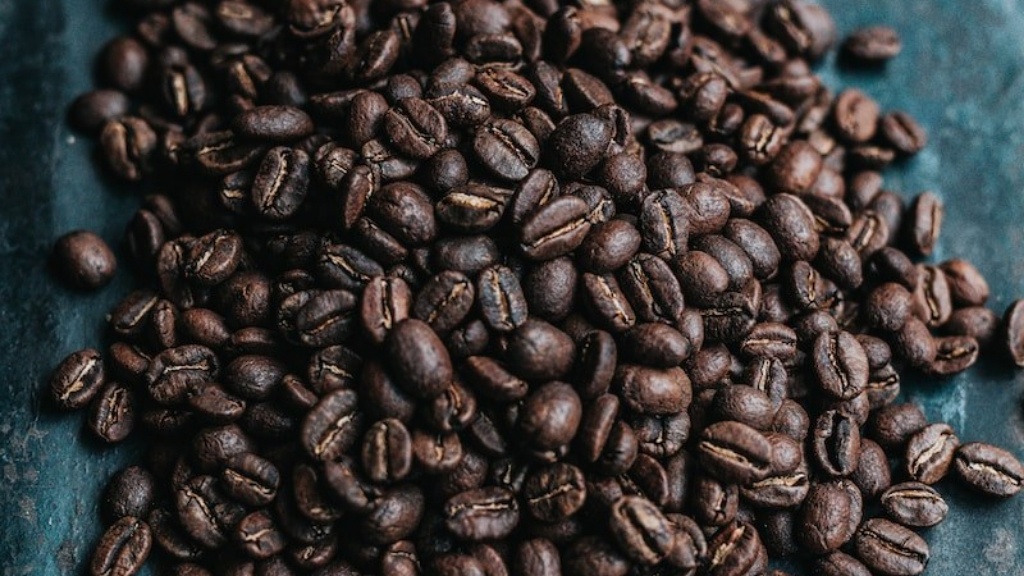
Caffeine itself has been shown to have some potential benefits when fasting. One study found that consuming caffeine can help reduce hunger and improve alertness. In addition, some experts believe that caffeine can also help to increase fat burning by increasing metabolic rate and increasing lipolysis, which is the breakdown of stored fat.
Overall, while coffee and cream can be consumed while fasting, it is important to be mindful of your calorie intake. If you are interested in consuming coffee and cream while fasting, it is best to start slowly with a small amount of cream or sugar and then adjust the amount according to your own preference and satiety levels. Additionally, it is important to remember that caffeine itself may have some potential benefits when it comes to intermittent fasting.
What are the benefits of intermittent fasting?
There are numerous benefits to intermittent fasting that make it an appealing way to lose weight and improve health. One of the primary benefits of intermittent fasting is weight loss. As with most diets, intermittent fasting helps to reduce calorie intake which leads to weight loss. Additionally, intermittent fasting can help to increase fat burning, leading to more efficient weight loss.
In addition to weight loss, some studies have suggested that intermittent fasting can also have benefits for other aspects of health, such as insulin sensitivity, inflammation, and cardiovascular health. Intermittent fasting can also help to reduce cortisol levels and improve emotional wellbeing. Finally, intermittent fasting can be beneficial for cognitive performance as well, as studies have suggested that it can help to improve memory and focus.

To optimize the health benefits of intermittent fasting, it is best to stick to healthy foods and beverages while fasting. Consumption of calorie-containing foods and beverages, such as cream and sweeteners, will negate some of the health benefits of intermittent fasting and can make it more difficult to reach your goals.
What are the risks of intermittent fasting?
While there are numerous potential benefits to intermittent fasting, it is important to understand the potential risks of fasting as well. One of the primary risks of intermittent fasting is hypoglycemia, which is extremely low blood sugar levels. Hypoglycemia can be dangerous, so it is important to eat healthy foods and drinks that can help to stabilize blood sugar levels, such as healthy fats, proteins, and complex carbohydrates.
Intermittent fasting can also lead to nutrient deficiencies if proper attention is not paid to dietary intake. As the body is not receiving all of the necessary vitamins and minerals during fasting, deficiencies can occur. Additionally, intermittent fasting can also lead to dehydration as food and drinks that contain water and electrolytes must be limited.
Finally, it is important to recognize that intermittent fasting can cause psychological distress as well, such as feelings of deprivation. For this reason, it is important to practice mindful eating, rather than simply skipping meals, in order to reduce the risk of psychological distress.
Does intermittent fasting work?

The question of whether or not intermittent fasting works is often asked – and there is some evidence to suggest that it can be effective. Most of the research on intermittent fasting has focused on weight loss and other health benefits, and the results have been positive. Studies have suggested that intermittent fasting can lead to significant reductions in body weight and waist circumference, as well as an improvement in other health markers, such as insulin sensitivity and inflammation.
However, it is important to remember that intermittent fasting may not be effective (or safe) for everyone. Before beginning an intermittent fasting regimen, it is best to consult with your healthcare provider to ensure that it is safe for you and that it will help you reach your desired health goals.
Do calories still count when fasting?
Calories still count when intermittent fasting, even though you are fasting for periods of time. As such, it is still important to be mindful of your calorie intake and ensure that your overall calorie intake for the day does not exceed what is needed to maintain a healthy weight. This means that foods and drinks that add calories, such as cream and sweeteners, will still need to be taken into consideration.
Additionally, it is important to ensure that you are consuming the proper nutrients while fasting. Eating nutrient-dense, whole foods during your eating window is the best way to ensure that you are getting all of the necessary vitamins and minerals.
Intermittent fasting can be a great way to lose weight and improve health, however, it is important to ensure that you are taking appropriate precautions to ensure that you are eating and drinking the right things during your fasting period. Paying attention to your calorie intake, paying attention to nutrient density, and consulting with your healthcare provider can help to ensure that your intermittent fasting regimen is successful.
What foods and drinks can be consumed while intermittent fasting?
It is important to be mindful of what foods and beverages you choose to consume while intermittent fasting. During the fasting period, it is best to stick to calorie-free beverages and water. During the eating window, it is important to eat nutrient-dense, whole foods that are high in fiber and proteins, such as fruits and vegetables, whole grains, legumes, nuts and seeds, and lean proteins.
It is also important to pay attention to the amount of fat and sugar that you are consuming as well, as these can add unnecessary calories and should be limited. Additionally, it is important to pay attention to portion sizes to ensure that your calorie intake for the day remains within a healthy range.
Finally, alcohol should be avoided while intermittent fasting, as it can be a source of additional calories, as well as interfere with the body’s ability to burn fat. Caffeine can be consumed in moderation and should be consumed with caution.
Are there any other tips to successfully practice intermittent fasting?

Intermittent fasting can be a great way to lose weight and improve health, however, it is important to practice it correctly. Here are a few tips to help ensure that you are successfully practicing intermittent fasting:
- Be Patient – As with any other diet, it can take time for your body to adjust to intermittent fasting. Therefore, it is best to be patient and give yourself time to adjust.
- Be Consistent – It is important to be consistent with your fasting regimen. This means sticking to your set fasting times and eating enough during your eating window.
- address psychological distress– Being mindful of your emotional wellbeing is an important part of intermittent fasting. If feelings of deprivation arise, it is best to address them.
- Be Flexible – Intermittent fasting does not have to be a rigid plan. You can be flexible and adjust your fasting and eating times based on your own preferences and lifestyle.
Intermittent fasting can be a great way to lose weight and improve health, however, it is important to understand the potential risks and benefits of fasting before beginning a regimen. Additionally, it is important to be mindful of what you are eating and drinking while fasting and ensure that you are consuming the right kinds of foods and drinks to ensure success.
