
Can You Drink Tea or Coffee During Intermittent Fasting?
Intermittent fasting is an increasingly popular health trend, due to its potential to improve health, raise energy levels, and help with weight loss. But during the fasting period, many have difficulty controlling hunger cravings, and this can make following the diet challenging, especially for those newer to fasting. Enter tea and coffee: two popular options for curbing hunger during intermittent fasting. But are these two drinks beneficial or harmful for fasting diets? Let’s explore the science behind the potential benefits and drawbacks of drinking tea and coffee during intermittent fasting.
First, we need to understand exactly what intermittent fasting is. Intermittent fasting is a dietary pattern that involves alternating periods of eating and not eating. In its most common form, intermittent fasting involves eating within an 8-hour window (such as 12 pm to 8 pm) and fasting for the remaining 16 hours. This type of intermittent fasting is known as the 16/8 method. This type of diet has been gaining popularity as an effective way to lose weight, boost energy levels, and improve overall health.
Tea and coffee are two popular substances that are often consumed while fasting. Many proponents of intermittent fasting claim that these beverages can help suppress hunger and make fasting much easier. But is there any scientific evidence to back up this claim?

Studies show that both tea and coffee can help reduce hunger during intermittent fasting. For example, a 2017 study on intermittent fasting found that drinking coffee before meals significantly reduced hunger, compared to drinking water or not consuming anything. This suggests that drinking coffee can help make fasting easier, as it can help reduce hunger sensations.
On the other hand, tea may be even more effective for reducing hunger during intermittent fasting. A 2013 study found that drinking green tea before meals significantly reduced hunger and enhanced the feeling of fullness of the participants, compared to drinking water. These findings suggest that tea may be even more beneficial for suppressing hunger during intermittent fasting.
Overall, it appears that both tea and coffee can help reduce hunger during fasting, which may make following the intermittent fasting diet much easier. However, it is important to consider that both of these beverages contain caffeine, which is a stimulant. Caffeine can have some side effects, such as increased heart rate, anxiety, and difficulty sleeping. For this reason, it is important to limit your intake of caffeine while fasting, as it can potentially have an adverse effect on your health.
In addition, it is important to remember that tea and coffee both contain calories. While these beverages are generally not considered a ‘meal’, they can still add up over time if consumed in large quantities. It is important to be mindful of your calorie intake while fasting, as it can have an impact on your overall health and weight loss goals.
Takeaway
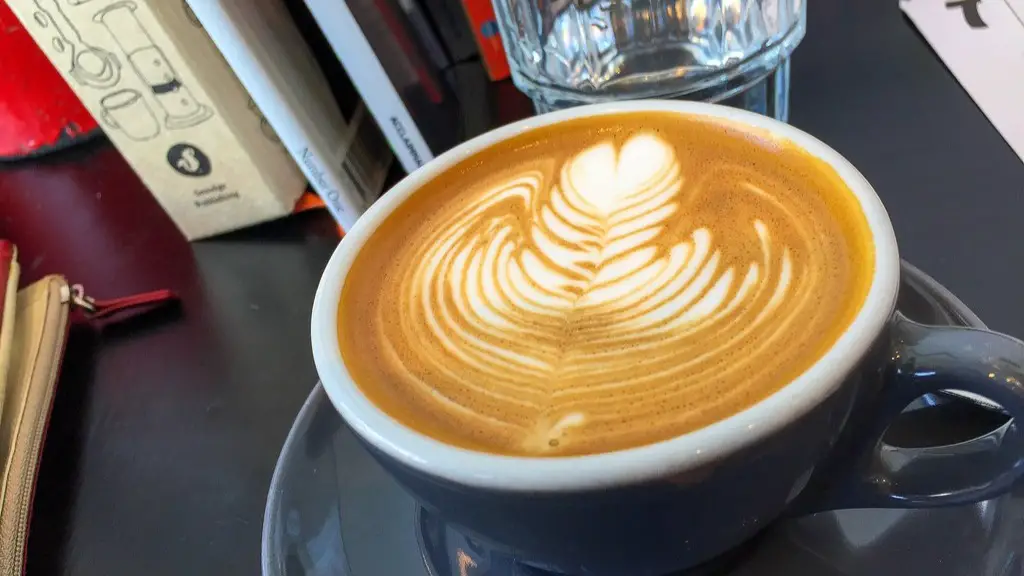
In conclusion, both tea and coffee can help reduce hunger during intermittent fasting, making the diet easier to follow. However, it is important to be mindful of your caffeine and calorie intake, as both can have an impact on your overall health. Additionally, it is important to consult with a qualified healthcare professional before trying any new dietary program.
Can it Improve Health too?
Intermittent fasting is generally thought to improve health by providing a wide array of health-promoting benefits, such as reducing inflammation, improving digestion, and promoting weight loss. But can drinking tea and coffee during intermittent fasting potentially provide an additional boost to your health?
Research suggests that tea and coffee can potentially provide a wide array of health benefits. For example, several studies have found that drinking tea can reduce the risk of chronic conditions, including cardiovascular disease and type 2 diabetes. Coffee has similarly been linked to improved cardiovascular health, as well as potentially reducing the risk of stroke and some forms of cancer.
In addition, both tea and coffee are high in antioxidants, which can help protect your body from the damaging effects of oxidative stress. This suggests that drinking tea and coffee can potentially improve your health, in addition to reducing hunger during intermittent fasting.

It is important to note, however, that these potential health benefits may not apply to everyone. For example, caffeine can have adverse effects on some people and should be limited to moderate amounts by those who are sensitive to it. Additionally, tea and coffee should be consumed in moderation, as consuming large amounts of either drink can be potentially harmful to your health.
Usefulness for Weight Loss
Intermittent fasting has been shown to be an effective way to lose weight. Research suggests that when done correctly, it can promote weight loss by inducing rate changes in hormones, such as insulin and ghrelin. However, can drinking tea and coffee during fasting enhance this effect?
It appears that consuming tea and coffee may potentially increase the effectiveness of intermittent fasting for weight loss. For example, multiple studies have shown that caffeine can have a thermogenic effect, which can help to speed up your metabolism and burn more calories throughout the day. Drinking coffee and tea before meals may also reduce your calorie intake, as it can reduce hunger sensations.
It is important to note, however, that the effects of caffeine are not the same for everyone. For example, people who are particularly sensitive to caffeine may not experience the thermogenic effects of the substance. Additionally, drinking too much tea or coffee can potentially lead to consuming too much caffeine, which can have adverse health effects.
Safety Considerations

It is important to keep in mind that drinking tea and coffee during intermittent fasting can have both beneficial and potentially harmful effects. To get the most out of your fasting diet, it is important to be aware of these safety considerations.
First, it is important to remember that both tea and coffee can contain high amounts of caffeine. This can have side effects in some people, such as difficulty sleeping, anxiety, and increased heart rate. For this reason, it is important to limit your caffeine intake while fasting, as it can have an adverse effect on your health.
It is also important to be mindful of your calorie intake. While tea and coffee are generally not considered meals, they can still contain a lot of calories if consumed in large quantities. This can potentially slow or impede weight loss, so it is important to be mindful of your intake of these beverages.
Finally, it is important to check with a qualified healthcare professional before starting any new dietary program. This is especially important for those with existing health conditions or those who are sensitive to caffeine.
Bottom Line

In summary, drinking tea and coffee may be beneficial for those on an intermittent fasting diet. Tea and coffee can help to suppress hunger, making the fasting period easier to tolerate. Additionally, they may have some health benefits when consumed in moderation. However, it is important to consider the potential side effects of consuming caffeine and to be mindful of your calorie intake.
