
Medical Perspective on Drinking Coffee Before Getting Botox
For many people, Botox has become a popular non-surgical way of reducing wrinkles from the face, by temporarily paralyzing the underlying muscles. But with any medical procedure there are certain precautions and risks that one needs to be aware of. One of these is whether or not you can drink coffee before getting Botox.
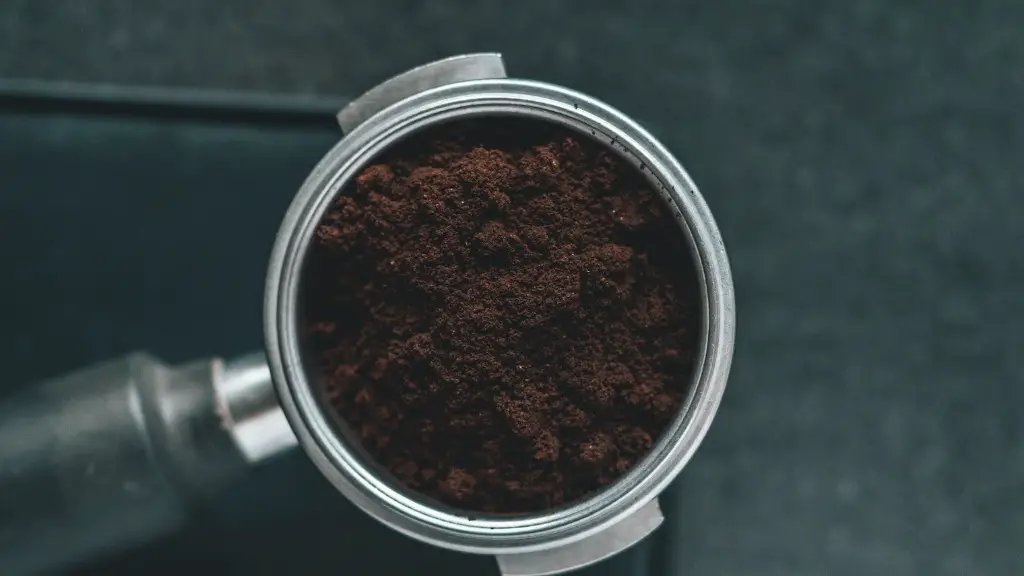
Drinking coffee is a part of many people’s regular routine. Most people have at least one cup of coffee a day, and some may even have more; in fact, the FDA recommends not more than 400mg caffeine per day, which is equivalent to over four cups of coffee.
However, when it comes to getting Botox, there are certain guidelines when it comes to pre-treatment. Drinking coffee before getting Botox is not entirely advised, as caffeine can increase your heart rate and blood pressure, which can affect the outcome of the Botox treatment.

The safety and efficacy of the treatment depend on precisely measuring the dosage and dilution of the Botox product. When introducing stimulants like coffee into your system, it can potentially affect the body’s reaction to the Botox drug. Therefore, it is highly recommended to avoid caffeine at least two days prior to getting Botox.
Additionally, coffee is diuretic, meaning it causes you to urinate more often. This results in the body losing more water, as well as electrolytes, meaning it isn’t suitable for people to drink before having a medical procedure. The lack of water in the body can add to feeling fatigued and dehydrated, making a Botox procedure far more uncomfortable.
It’s important to listen to your doctor’s instructions and take into account the research made. Speak to your doctor, aesthetician, or dermatologist before having Botox, to minimize any risks.
Effects Of Drinking Coffee After Botox
When you have a cosmetic procedure like Botox, it is important to ensure to treat your skin well in the days after. Treating yourself to a cup of coffee may be tempting, however, it is important to remember that it’s advised to wait after getting Botox before having another cup.

As Botox can cause the face to swell, having coffee right after can exacerbate that, making the swelling much worse. It’s not recommended to drink coffee until at least 24 hours after getting Botox, and only if there have been no complications.
Having coffee can also reduce the effectiveness of Botox, as the caffeine can affect the product’s movement, thus interfering with its effects. Moreover, drinking coffee can trigger muscle contractions, meaning the effects of Botox may wear off, sooner than expected.
Chilled water is much more beneficial to drink both before and after having Botox, as it helps to reduce swelling and keeps the body hydrated. Iced green tea is also a good alternative, as it contains less caffeine than coffee, but still has beneficial anti-oxidants.
Having regular facials before getting a treatment with Botox is also advised. It can help to improve circulation and nourish the skin, creating the perfect environment for the Botox to be applied.
Natural Alternatives To Botox

If you are looking for ways to reduce wrinkles on the face naturally, there are a range of solutions. For example, Vitamin C is a key ingredient to look out for in skincare products, as it helps to stimulate collagen production, improving skin texture.
Alpha Hydroxy Acids are also beneficial for improving collagen and elastin, as well as hyaluronic acid, one of the body’s most essential humectants. Hyaluronic acid helps to keep water in the skin to prevent it from drying out.
Soy is also an effective natural ingredient for reducing wrinkles, as it helps to protect the skin from environmental factors, such as pollution and UV rays. Organic cold pressed oils and peptides are also beneficial in improving skin firmness and texture.
Moreover, natural treatments such as massaging and acupuncture, can also help to improve circulation and stimulate collagen production, naturally reducing the appearance of wrinkles. Both of these treatments are believed to be extremely beneficial for both physical and mental health.
Benefits Of Botox

Though there may be alternatives to getting Botox, there are also many reasons why people choose to have the product in the first place. Botox is a popular treatment, as it is relatively risk-free, with only minor side effects such as bruising and temporary redness.
Botox can also reduce the appearance of wrinkles and fine lines, meaning a person’s skin looks firmer, fuller, and smoother. Furthermore, the procedure can be done in around fifteen minutes, making it a fast and easy option.
When applied in the correct way, Botox can also help to lift certain areas of the face, such as the eyes and brows, to give a more youthful appearance. As well as this, the product can help to reduce sweat production, as well as migraines and jaw clenching.
Though Botox has a range of benefits, it is important to still be aware of the potential risks, and understand the importance of pre-treatment guidelines.
Common Side Effects Of Botox
Whilst Botox is generally considered to be a safe procedure, there are certain side effects that can occur. Typical side effects include redness and swelling of the area, headaches and flu-like symptoms, as well as bleeding, bruising and irritation at the victim.
It is also possible to experience an allergic reaction to the product, such as a rash or itching of the skin. This typically subsides after a while, however, if the symptoms persist, then it is important to see a medical professional.
Droopy eyelids is another risk of having Botox. This is usually caused by Botox being applied incorrectly, however it is a common side effect. Though this can improve on its own, it is important to take action if it does not.
Blurry vision can also occur, as Botox paralyzes certain facial muscles, which come into contact with the eyes. Before having Botox, it is necessary to discuss any risk factors or allergies that may be present.
Is It Safe To Have Botox More Than Once?
Botox has become a popular choice when it comes to cosmetic procedures, due to its ability to reduce wrinkles and fine lines, quickly and safely. Though, it is important to be aware that it is not a permanent solution, as the effects of Botox are only temporary.
Once the Botox starts to wear off, typically after around three to six months, wrinkles and fine lines may start to reappear. Therefore, many people opt to have the treatment more than once. This has become common practice, as long as the recommended dosage is followed.
Though it’s important to target specific areas which may need extra attention, it’s also beneficial to focus on skin health by having regular facials. This can help to reduce the amount of Botox that needs to be injected, as well as promoting long term skin health.
Furthermore, it is important to be realistic in terms of the results that are expected. Rushing the process can result in too much Botox being injected, as well as effects that are too strong, therefore it is essential to take it slow.
Are There Any Alternatives?
Over the years, many people have been in search of an alternative to having Botox. Fortunately, there are now a range of treatments available, from non-surgical to more permanent solutions.
Dermal fillers are one of the more popular alternatives to Botox, as they can be used to fill wrinkles and add volume to certain areas of the face. This procedure includes the injection of collagen, hyaluronic acid, and other dermal fillers, as a way of adding more suppleness to the face.
Laser treatments are also becoming more and more popular, as they help to improve the overall appearance of the skin. This involves the use of intense light and heat, which is directed at the skin’s surface to improve texture, reduce wrinkles and lessen pigmentation.
Skin needling is another method that can help to reduce the appearance of wrinkles, by breaking down the collagen within the skin. This can help to naturally stimulate the skin’s regeneration process, as a way of improving the texture and reducing wrinkles.
Due to the range of alternatives that are available, it’s important to do research and discuss all the details before committing to any particular treatment.
