
Coffee is one of the most popular drinks in the world, with millions of people partaking each day. Drinking coffee comes with a great deal of benefits; however, many people ask themselves whether it is best to drink coffee black or with cream and sugar?
The short answer is that it is ultimately up to personal preference. But there is much more that goes into making that decision and understanding what it means to drink coffee black. For one, drinking coffee black requires a higher quality bean, as lower quality blends may be over-roasted and may have a charred quality to them. For another, it is important to understand that the flavor of black coffee depends entirely on the type of beans used, the roasting level and how it was brewed.
Caffeine content is also an important factor to consider. Since black coffee has more of the actual coffee bean in it, it will generally have a higher caffeine content than coffees that are mixed with cream and sugar. For those who like a stronger coffee, drinking it black is the way to go. On the other hand, if you want a milder version, it might be better to add some cream and/or sugar.
It is also important to note that the health benefits of coffee can vary depending on how it is consumed. Those who drink their coffee black can benefit from more antioxidants than those with cream and sugar. Additionally, those who enjoy their coffee black may also find it easier to digest due to the lack of added ingredients.
It is important to point out that there are some downsides to drinking coffee black. For one, some may find it to be too bitter and may opt to add cream or sugar to make it more palatable. Additionally, it is important to note that caffeine can have different effects on different people and black coffee can cause jitters and restlessness in some.
Overall, when it comes to whether it is best to drink coffee black, it is ultimately up to personal preference. But it is important to consider the effects of each type of coffee on the body and mind, as well as the quality of the bean used. There is no one-size-fits-all answer, as everyone is different and what may work for one person may not work for another.
Health Benefits
Black coffee has a number of health benefits that may not be present when adding cream and sugar. It has been found to help reduce the risk of developing type 2 diabetes due to the high concentration of antioxidants found in the coffee. Additionally, black coffee can help boost energy levels due to the higher caffeine content and is also believed to help reduce the risk of developing certain types of cancers due to its anti-inflammatory properties.
Black coffee is also known to help prevent heart disease due to its ability to reduce bad cholesterol levels in the body. Furthermore, coffee drinkers may benefit from a lower risk of developing Alzheimer’s and Parkinson’s disease later in life. Finally, drinking coffee black can also be beneficial for those trying to lose weight, as it provides the body with antioxidants and can help to increase metabolic rate.
It is important to remember that too much caffeine from coffee can have a negative effect on the body. Those who are trying to improve their health may want to limit themselves to around two to three cups of coffee per day, as anything more could have a negative impact.
Roast Level
The roast level of the coffee is an important factor to consider when deciding whether it is best to drink coffee black. Light roasts contain more of the original bean and will generally have a higher caffeine content. On the other hand, darker roasts contain more of the charred flavor from the roasting process, but less caffeine.
It is important to note that the flavor of the coffee can vary greatly depending on the roast level. For those who prefer a bolder flavor, a darker roast is generally the way to go. On the other hand, those who prefer a lighter and milder flavor may prefer a lighter roast.

Additionally, the caffeine content of the coffee can also differ depending on the roast level. Light roasts are known to have more caffeine than darker roasts, which may be beneficial for those trying to get an extra energy boost. However, too much caffeine throughout the day can have a negative effect on the body, so it is important to be mindful of the amount consumed.
Brewing Method
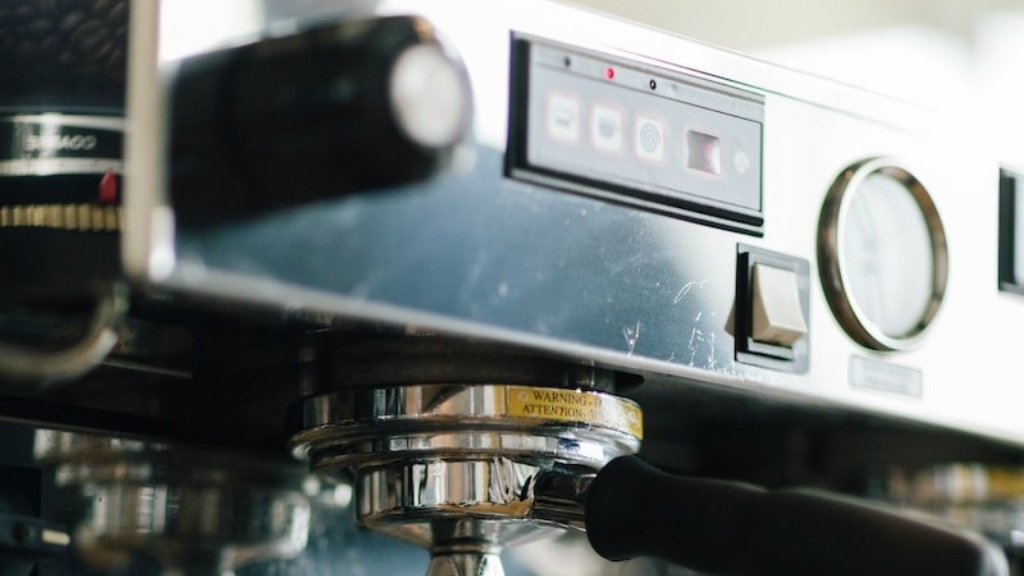
Another factor to consider when deciding to drink coffee black is the brewing method. Different brewing methods will result in different flavors and strengths of the coffee. Those looking for a strong and full-bodied cup may prefer an espresso because of the intense flavor and higher caffeine content.
For those who prefer a milder cup of coffee, French press or pour-over methods may be better suited. Additionally, for those who prefer a fruity and floral flavor, cold brew or cold drip methods are generally more ideal. The brewing method can make all the difference when it comes to the flavor and strength of the coffee.
Beans Quality
The quality of the beans used is another important factor to consider when deciding whether or not to drink coffee black. Higher quality beans generally have a higher caffeine content and have more complex flavor profiles. Additionally, they tend to be roastier with a smoother finish, making them more suited for those looking for a stronger cup of coffee.

On the other hand, lower quality beans can be over-roasted and result in a burned or charred taste. Additionally, low quality beans can be inconsistent in terms of taste, making them less suitable for those looking for a more consistent flavor.
In conclusion, when it comes to deciding whether to drink coffee black, there is no right or wrong answer. Different people have different preferences and tastes. Therefore, it’s important to consider the caffeine content, the roast level, the brewing method, and the quality of the beans used in order to find the perfect cup.
