
Caffeine Overconsumption
Coffee is a popular beverage enjoyed around the world, and many people rely on it to get through the day. However, it is important to remember that caffeine is a drug, and like any drug, it can be abused. The effects of drinking too much coffee can be significant and can lead to negative consequences.
There are various sources of caffeine, with coffee being the most common. People may also consume caffeine through sodas and teas, or through energy drinks or supplements. It is estimated that approximately 90% of adults in the United States consume caffeine in some form each day.
The amount of caffeine in a cup of instant coffee varies depending on how it is prepared, but it can usually range from 40 to 140 milligrams per cup. The effects of this amount of caffeine can be felt within 10 to 20 minutes after consumption. Some studies have found that adults feel the best effects of caffeine when consuming between 200 and 300 milligrams per day. But drinking too much coffee can lead to various problems, such as:
Sleep Deprivation
Caffeine is a stimulant, and it can interfere with your body’s natural sleep cycle. It increases your alertness and energy, and it can inhibit your ability to relax. Overconsumption can lead to an increased risk of insomnia and other sleep disorders.
Studies have found that the best ways to limit the effects of caffeine on your sleep are to reduce your total daily intake and to avoid consuming it after 4 pm. If you regularly consume caffeine late into the evening, it may be necessary to move your bedtime earlier to make up for the lost sleep.
Anxiety and Stress
Caffeine can lead to increased levels of stress and anxiety. This occurs because the caffeine increases the release of stress hormones, including cortisol. Consuming too much coffee can also cause your heart to beat rapidly and your body to become tense. This can lead to feelings of restlessness and irritability throughout the day.
Experts recommend consuming no more than 200 to 300 milligrams of caffeine per day, if possible. For some people, even this amount may be too high, so it is important to assess your own reaction to caffeine and adjust your intake accordingly.
Digestive Problems
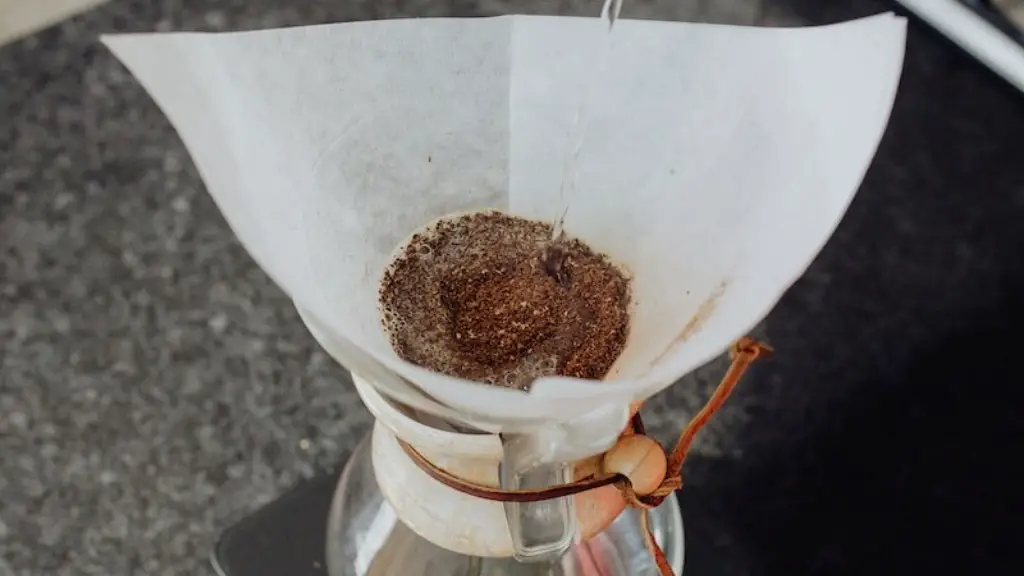
Drinking too much coffee can lead to digestive problems. This is because caffeine is a stimulant, and it can increase the speed at which food passes through your digestive tract. This can lead to a variety of problems, including indigestion, heartburn, stomach cramps, and nausea.
If you experience any of these issues after consuming coffee, it may be best to reduce your intake and see if the symptoms improve. Alternatively, there are some herbal teas that can help soothe an upset stomach.
Cardiovascular Issues
Caffeine can raise your blood pressure, and if consumed in excessive amounts, it can lead to a variety of cardiovascular problems. Studies have found that consuming four or more cups of coffee a day can increase your risk of stroke and other heart-related issues.
If you are concerned about your coffee consumption, it is best to speak to your doctor to determine if you are at risk of any cardiovascular problems.
Do Not Drink Too Much
Drinking too much coffee can lead to a variety of problems, including sleep deprivation, increased stress and anxiety, digestive issues, and cardiovascular problems. It is important to keep track of how much caffeine you are consuming and to reduce your intake as needed.
If you feel like you cannot reduce your consumption, it is important to speak to a doctor, as they may be able to prescribe medications or other treatments that can help reduce your caffeine intake.
Make Smart Swaps
If you are trying to reduce your caffeine consumption, it is important to make smart swaps. Rather than reaching for a cup of coffee, try switching to a herbal tea or a decaffeinated version. Similarly, instead of reaching for an energy drink or a caffeine supplement, opt for a healthier alternative such as a piece of fruit or a glass of water.
By making simple swaps, you can enjoy the benefits of coffee without overindulging. It is also important to bear in mind that even though herbal teas and decaffeinated alternatives do not contain as much caffeine, they can still interfere with your sleep if consumed in excess.
Alcohol and Caffeine Do Not Mix
It is best to avoid drinking coffee in the evening if you are also consuming alcohol. The combination of the two can lead to an increased risk of intoxication and is not recommended.
In addition, drinking coffee can make your hangover worse. This is because of the dehydration it causes, as well as the irritation it can cause in your stomach. It is best to limit alcohol consumption and avoid caffeine if you are drinking.
Eat and Hydrate Well
Drinking too much coffee can cause dehydration and can make it harder for your body to absorb nutrients. It is important to stay hydrated throughout the day and to eat healthy meals to make sure your body gets the nutrients it needs.
If you are experiencing dehydration from drinking too much coffee, it is important to drink plenty of water. You may also want to add some electrolytes to your water or switch to drinking herbal teas.
Stress Reduction Techniques
Drinking too much coffee can lead to increased stress and anxiety, so it is important to find ways to reduce these feelings. Exercise can be an effective way to reduce stress, as can yoga, deep breathing exercises, or meditation.
It is also important to take time to relax and unwind. This could mean taking a walk, reading a book, or listening to music. It is important to note that caffeine can affect your ability to relax, so it may be a good idea to avoid consuming caffeine before or during relaxation activities.
Be Mindful of Consumption
It is important to be mindful of your caffeine intake as it can have a significant effect on your health. Too much caffeine can lead to sleep deprivation, increased stress and anxiety, digestive problems, and cardiovascular issues.
It is best to monitor your intake and to reduce it as needed. Remember to stay hydrated and eat healthy meals, and to practice stress reduction techniques to help you relax.