
Is Drinking Coffee Bad For Your Stomach?
Most of us have probably heard the saying “too much of a good thing can be a bad thing,” and this definitely seems to be true when it comes to coffee and your health. Coffee is one of the most popular and widely consumed beverages in the world, with millions of people relying on the pick-me-up it provides each day. And while it can have some beneficial effects in moderation, there have also been questions raised about its impact on our long-term health, especially when it comes to coffee’s potential effects on our digestive systems. So is there something you need to worry about? Let’s dive in and see what the research says.
Studies have shown that coffee consumption can have an effect on gastric acid secretion and can increase the risk of developing both gastroesophageal reflux disease (GERD) and peptic ulcer disease (PUD). GERD is a condition where the contents of the stomach are pushed up towards the esophagus, causing acid reflux and heartburn, while PUD is an ulceration that can occur in the stomach or small intestine. According to experts, the acidity of coffee is believed to be the main factor responsible for its negative impacts on the stomach.
The rate at which gastric acid is secreted from the stomach can be influenced by the type of coffee being consumed. For instance, filtered or instant coffee may have a less acidic effect on the stomach compared to espresso-based coffees. Additionally, adding milk or cream to coffee can act as a buffer to reduce its acidity, as does opting for decaffeinated varieties which may have less of an effect on gastric acid secretion.
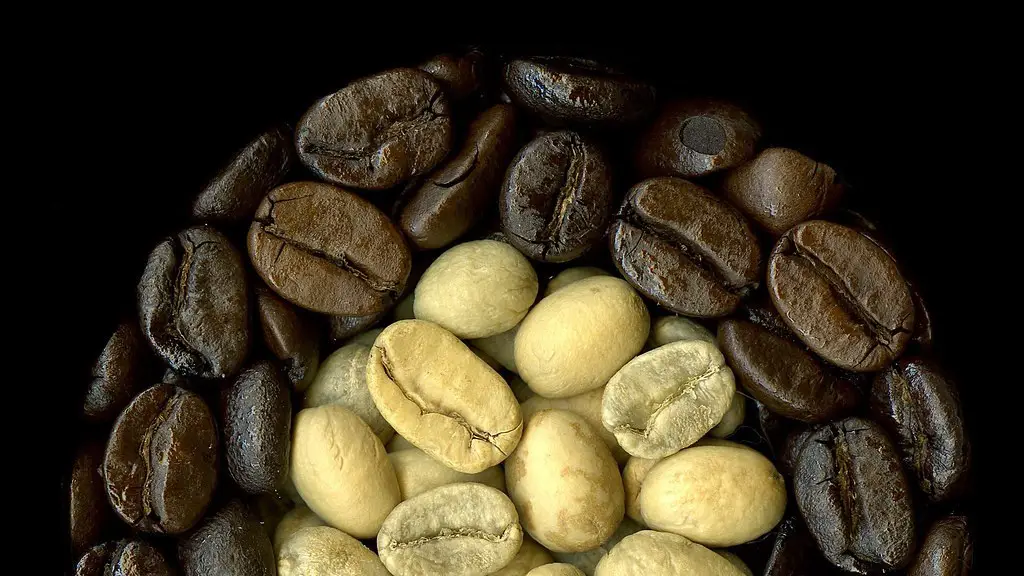
Interestingly, research has also suggested that regular coffee ingestion may be beneficial for some gastrointestinal conditions. Studies have found links between coffee consumption and lower rates of both Crohn’s disease, an inflammatory bowel disorder, and colorectal cancer. Studies have demonstrated that the antioxidant components present in coffee may help protect against cancer-causing agents, and its anti-inflammatory properties may also help to reduce inflammation in the gut.
So if coffee can contribute to both positive and negative effects, what is the conclusion? It seems that the key is moderation. Regular coffee drinkers should be aware of the potential side effects of too much caffeine and acidity, but should also take into account the potential health benefits associated with moderate coffee drinking. Caffeine tolerance varies from person to person, so it is important to pay attention to how your body responds after drinking coffee and to adjust your intake accordingly.
Coffee and Heartburn
The link between coffee and heartburn is a well-documented one. Many reports have linked excessive coffee drinking with an increased risk of GERD and heartburn, with both caffeinated and decaffeinated varieties associated with elevated levels of acid reflux. This occurs because coffee seems to relax the lower oesophageal sphincter (LOS), the muscle located between the stomach and the oesophagus. When the LOS is relaxed or weakened, stomach contents can flow back up into the oesophagus, leading to heartburn.
Interestingly, research has also suggested that the type of coffee consumed can affect the risk of developing heartburn. For example, Iberoamerican studies, which examine health issues specific to Spanish and Latin American countries, have shown that darker, fuller-bodied blends seem to be associated with a higher risk of heartburn compared to lighter-roast and instant coffee.

In addition to the type of coffee, other factors, such as the method of preparation, amount of coffee consumed, and the individual’s sensitivity levels can influence the risk of developing heartburn. For those who are prone to heartburn, the general advice is to cut down on coffee consumption, opt for lower-caffeine blends, and to take breaks from drinking coffee.
Coffee and Gastric Ulcers
Gastric ulcers, or PUD, are sores that can form in the stomach or small intestine, usually due to the presence of a bacteria known as H. pylori or through the use of certain medications. While coffee has been linked to increased rates of gastritis, or inflammation of the stomach, it is important to note that the evidence for coffee causing gastric ulcers is inconsistent.
In some studies, regular consumption of coffee has been associated with an increased risk of developing an ulcer, while other research has suggested that coffee intake can help to protect against their development. Ultimately, more research is needed before any firm conclusions can be drawn on the relationship between coffee and gastric ulcers.
Coffee and Fertility
Given the potential effects of coffee on the digestive system, it is understandable to be concerned about its potential effects on fertility as well. Studies have suggested that coffee consumption can have a negative impact on fertility, with one particular picture pointing to coffee’s potential to increase miscarriage risk. Other research has suggested that high levels of coffee consumption can also reduce sperm motility, or their ability to move properly, making it harder for the sperm to reach and fertilize the egg.

While the evidence is mixed, it is still important to consider how your diet and lifestyle may affect your overall fertility. If you are trying to conceive, it may be best to stay on the safe side and limit your coffee intake to no more than two cups per day. However, if you are worried about the impact of coffee on your fertility, talking to a doctor or fertility expert may be the best way to address your concerns.
Coffee and Gut Health
Coffee is known to have some health benefits, especially when it comes to Gut health. Studies have suggested that regular coffee consumption can help to reduce inflammation in the gut and also reduce signs of leaky gut syndrome. Additionally, coffee has been linked to lower rates of certain digestive disorders, such as Crohn’s disease and colorectal cancer.
While there is still some debate over the potential risks and benefits associated with coffee drinking, most experts agree that moderation is the key. Limiting your caffeine intake and opting for decaffeinated or lower-caffeine blends can help to reduce the potential risks to your health, while still retaining some of the potential benefits associated with coffee consumption.
Coffee and Appetite
Coffee is widely recognized as having appetite suppressing properties, although it is important to note that this effect is usually short-term and may lead to increased hunger later on. Studies have found that drinking coffee can reduce the feeling of hunger and help reduce cravings for unhealthy foods, at least in the hours immediately following consumption.

The mechanism responsible for this effect is believed to be the caffeine contained in coffee, which stimulates the central nervous system and interrupts signals sent from the brain to the stomach which would normally indicate hunger. So while drinking coffee may help you feel fuller for a short period of time, it should not be relied upon as a long-term solution to reduce appetite.
Coffee and Bowel Regularity
Coffee can have both positive and negative effects on bowel regularity. Studies have shown that coffee can stimulate the contraction of the muscles within the large intestine, resulting in increased activity and increased transit time within the digestive system. While this can help reduce or prevent constipation in some individuals, it may also lead to diarrhoea or abdominal discomfort in others.
Given this, it is important to be aware of how your body responds when drinking coffee and to adjust your intake accordingly. It is also important to note that the effects of coffee on bowel regularity may vary based on the type of coffee being consumed, with filtered or instant coffees typically having a less stimulating effect.
