
Most of us enjoy a cup of coffee every now and then, and for many of us, it’s a daily habit. But what about for pregnant women? Is it safe for them to consume coffee during pregnancy, or is it best to eschew it altogether?
While it’s true that the caffeine in coffee has some potentially negative effects on the body, not all of the effects are necessarily bad. In fact, some research suggests that moderate caffeine consumption (defined as 200mg per day or two standard 8oz cups of coffee) can actually help to improve health during pregnancy.
The key thing to note is that too much of anything can be bad, and being pregnant means a woman’s body is already under a lot of stress. So, it’s important for pregnant women to be aware of the potential risks associated with drinking coffee and make sure that if they do choose to drink it, it’s in moderation.

One area that can be affected by too much caffeine is the baby’s growth. Research has shown that too much caffeine can lead to slow weight gain or even a low birth weight, but the effects appear to be minimal and the majority of babies born to women who consume moderate amounts of caffeine showed no difference to those whose mothers abstained.
Additionally, too much caffeine has been linked to an increased risk of miscarriage, and can also lead to an increased risk of preterm birth, and even neurological issues in the baby. These risks are particularly high in women who consume more than two cups of coffee per day, so it’s best to consult with a doctor before deciding if and how much coffee is safe to drink during pregnancy.
That said, there are also some benefits associated with consuming moderate amounts of caffeine during pregnancy. Caffeine is thought to potentially reduce the risk of certain conditions such as preeclampsia, and can also help to reduce fatigue and give pregnant women an energy boost when needed.
Caffeine Alternatives
Not everyone likes the taste of coffee, or may want to avoid the potential risks associated with consuming too much caffeine. Fortunately, there are plenty of alternatives for pregnant women who want to get their energy boost without having to worry about any potential health risks.

Herbal teas can be a great option, as well as decaf coffee or green tea. Decaf coffee still contains some caffeine, but at much lower levels, so it can still provide a jolt of energy without having to worry about consuming too much caffeine. Similarly, it’s possible to find green tea that has had the majority of caffeine removed or even added back in at reduced levels.
Lastly, some women may find that there are natural, non-caffeinated sources of energy available as well. Foods like oatmeal and whole grains are known to provide an energy boost, as are natural sources of sugar like fresh fruits and certain types of honey. The key is to find a combination of foods that work for you and provide an energy boost without having to worry about consuming too much caffeine.
Healthy Caffeine Intake
It’s important to note that some women will still choose to consume caffeine during pregnancy despite the potential risks, and that’s okay. The key is to make sure that if you do decide to consume caffeine, it’s in moderation.
A good rule of thumb is to keep your daily caffeine intake to around 200 mg or two 8 oz cups of coffee. Additionally, it’s important to make sure to avoid any sources of added caffeine such as energy drinks, soda, or sugary foods.
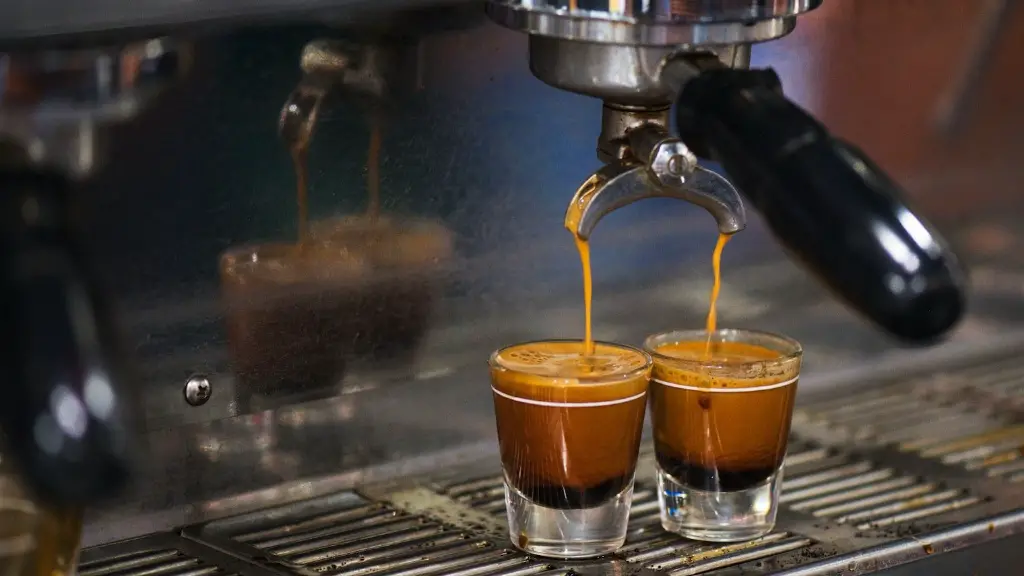
It’s also important to be aware of how your body reacts to caffeine, as different people will have different sensitivities to it. Some people may find that even a small amount of caffeine can make them feel jittery or anxious, while others may not feel any effect whatsoever. Learning to listen to your body and understanding its response to caffeine can be key to staying healthy during your pregnancy.
Additional Considerations
It’s important to note that coffee is not the only beverage with caffeine in it. Other popular beverages have caffeine too, such as chocolate milk, tea, energy drinks, and soda. It’s also important to note that caffeine is also found in some foods, such as certain types of chocolate, some medications, and even certain vitamins. So, it’s important to be aware of all sources of caffeine before making a decision about whether or not to drink coffee during pregnancy.
Effects on Breastfeeding
It’s also important to note that caffeine consumed during pregnancy can also affect breastfeeding. Caffeine gets into the mother’s milk, and can then be passed on to the baby. Therefore, it’s important to keep in mind that if you do choose to drink coffee during pregnancy, it’s best to limit your consumption and also to be aware of the potential effects that this can have on your breastfeeding baby.
The Bottom Line
Overall, it’s important to remember that drinking coffee during pregnancy isn’t necessarily bad. However, it’s best to be aware of the potential risks associated with caffeine consumption, and to make sure to limit your consumption to moderate amounts if you do decide to drink coffee. Additionally, be aware of other sources of caffeine and and remember to take into consideration your personal body’s response to caffeine and its potential effects on your nursing baby.