Global Coffee Trends
Coffee is one of the most popular beverages consumed in the world, with popularity rising in the past few decades. According to statistics provided by the International Coffee Organization (ICO), global coffee consumption has been steadily increasing over the past two decades, with an average global growth rate of 2,14% since 2000. Additionally, the total global coffee output increased by 3.2% during 2018-19. Furthermore, the ICO estimates that, in 2019-20, the world will consume 164.51 million bags of coffee, which is the highest figure in more than a decade.
Changes in Coffee Drinking
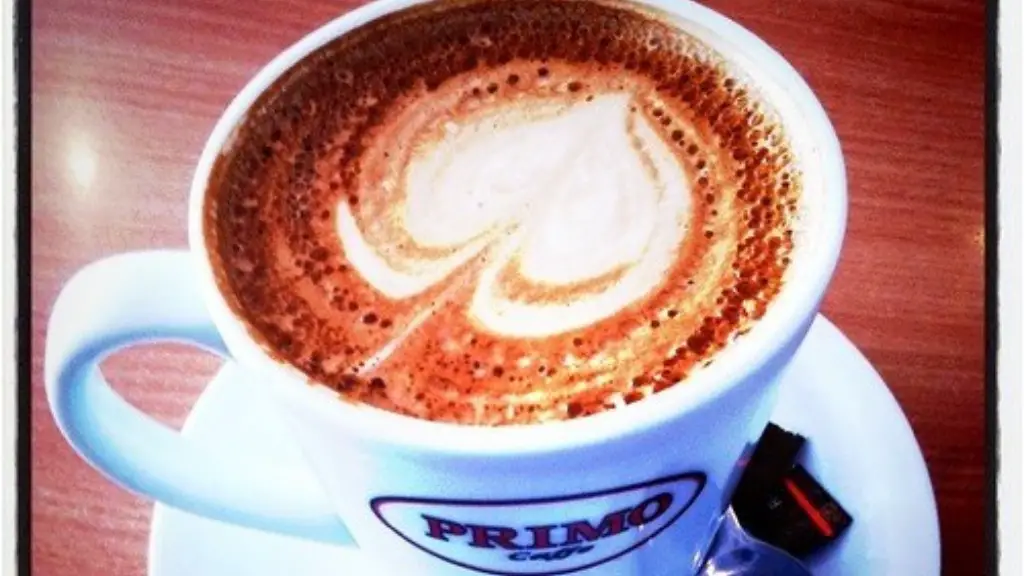
With the increasing popularity of coffee, consumer behavior regarding the beverage has also changed. Coffee no longer is merely a way to wake up in the morning or for a quick energy boost, rather, it is a complex experience. Consumers have become more knowledgeable about coffee and are demanding higher quality at a more affordable price. Additionally, with the development of specific brewing techniques and the appreciation of latte art, consumers now have more choices and freedom when it comes to enjoying coffee.
The Economics of Production and Distribution
The economics of coffee production and distribution is a complex issue, with different countries and regions having different laws and regulations governing the production, distribution, and sale of the beverage. In addition, due to the global and complex nature of the coffee industry, many producers are unable to attract fair wages and often times face exploitation in the form of unfair labor and wages. This exploitation perpetuates poverty and affects the working conditions of coffee farmers, leading to unsanitary and dangerous working environments.
Potential Health Benefits

In recent years, coffee has received much attention for its potential health benefits. Studies have shown that coffee can have positive effects on various health related conditions. For instance, one study found that coffee may help decrease the risk of type 2 diabetes and improve cognitive function. Additionally, some research suggests that regular coffee consumption may reduce the risk of certain types of cancer and liver diseases, as well as lower cholesterol levels.
Which Country Drinks the Most Coffee per Person?
As it turns out, Finland boasts the highest coffee consumption per capita, with each person consuming an average of 12.2 kg of coffee per year. This is approximately three times the global average of 4.2 kg. Other notable countries with high levels of coffee consumption are Scandinavia, with Norway and Sweden coming in second and third place respectively, and the Netherlands and Austria following closely behind. It is also worth noting that while coffee is widely available and consumed in all parts of the world, developed countries tend to have the highest per capita consumption.
Analysis
It is clear that Finland has the highest per capita coffee consumption, with the majority of other high-consumption countries being Scandinavian or European. This could potentially be due to the development of the countries and increased access to different types of coffee. Additionally, over the past few decades, coffee consumption has shifted from being merely a beverage for fast, short-term energy to something more complex. This shift has, in turn, led to an increase in coffee consumption in some parts of the world, particularly in Europe, as consumers become more knowledgeable about coffee and demand higher quality at a more affordable price.
Global Coffee Production and Distribution
The global coffee industry is a complex and intricate system, with many different countries, regions, and organizations involved in the production, distribution and sale of the beverage. According to The International Coffee Organization, the ten countries that produce the most coffee in the world are Brazil, Vietnam, Colombia, Indonesia, Ethiopia, India, Mexico, Guatemala, Honduras, and Peru. These countries account for 89% of the world’s coffee production, with Brazil alone producing 33%. Additionally, the industry is largely made up of small-scale farmers, who have to compete with global corporations and often face exploitation in terms of unfair labor and wages.
Environmental Impact of Coffee
The production and consumption of coffee can have both positive and negative environmental impacts. On one hand, increasing global demand for coffee has provided an economic and employment opportunity to many local communities, as well as increased financial security and stability. On the other hand, the production of coffee can have a negative environmental impact, as it creates pollution, uses space and resources, and contributes to global warming. Additionally, the overconsumption of coffee can lead to caffeine addiction, resulting in health and behavioral issues.
Coffee Trends Around the World
In recent years, different countries have seen different trends in their coffee consumption. While the overall trend is that consumption has increased, the majority of the growth is concentrated in some parts of the world, with Europe, the United States and Asia being the main drivers of the demand for coffee. Additionally, specialty coffee, such as cold brew, pour-over, and iced coffee, have risen in popularity, particularly in the United States. Additionally, single-serve coffee machines, such as those from Nespresso and Keurig, have seen a significant rise in popularity over the past decade, with the machines being easy to use and the coffee pods being easily available and of various different flavors.
Coffee Cup Waste and Recycling
The production of disposable coffee cups has become an increasingly problematic issue in recent years, with an alarming number of coffee cups ending up in landfills. This waste not only takes up valuable space, but also generates pollution and toxins, while some of the cups take centuries to decompose. In response, many countries have introduced policies that encourage the use of reusable coffee cups, while some companies have started to offer discounts to customers who bring their own mugs to the cafe. Additionally, some coffee companies have started to provide customers with reusable coffee cups, reducing the need for single-use disposable cups.
Coffee Breeds and Blends
With the increasing popularity and knowledge of coffee, many people now prefer to try different coffee breeds and blends from around the world. This has resulted in the development of specialty coffee blends, as well as regional and seasonal varieties. Additionally, coffee aficionados have started to experiment with different brewing techniques and alterations in order to get the most out of the coffee flavor. There are also many companies that have started to offer a variety of different coffee blends, encouraging customers to experiment and explore different types of coffee.