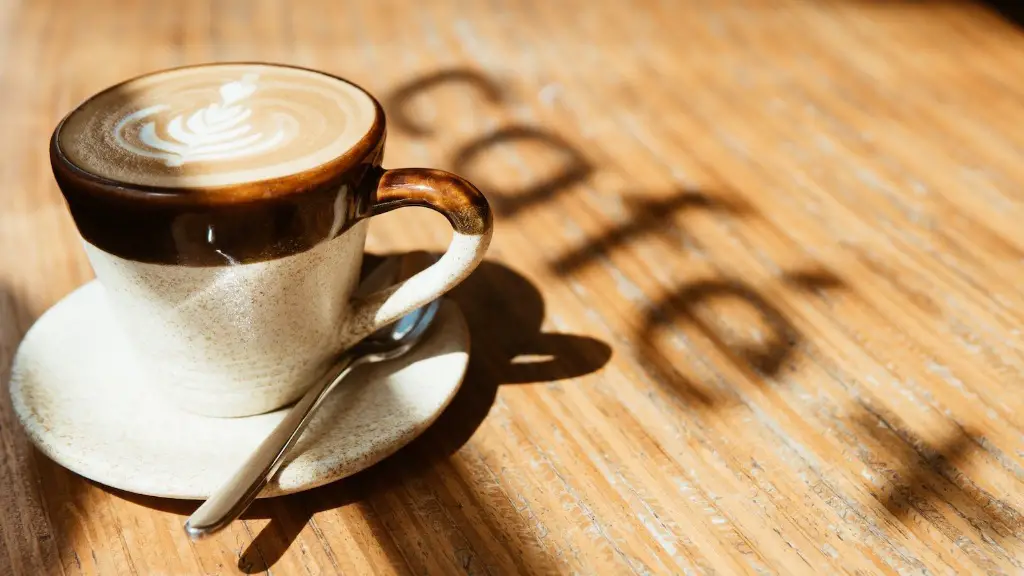
No more coffee buzz. No more black liquid to get you going in the morning. Recently published research suggests that Americans drink an average of 3.1 cups of coffee every day. That’s a lot of coffee. So, what would happen if you suddenly stopped drinking this supercharged beverage?
Physically, you will likely experience withdrawal symptoms known as caffeine withdrawal syndrome. According to Harvard Medical School, these symptoms can include headaches, fatigue, difficulty concentrating, irritability, depression, and muscle aches. Caffeine withdrawal symptoms usually start within 12 to 24 hours after you stop drinking coffee and can last for two to nine days. The best remedy for caffeine withdrawal is to drink decaffienated coffee or tea.
Mentally, you will likely become more aware of your body and the world around you because coffee is a stimulant and helps block the brain’s perception of pain and fatigue. By reducing caffeine intake, you can often become more in tune with what your body is telling you, allowing you to make healthier choices. You may also experience an increase in creativity and alertness due to the absence of the “mood altering” effects of caffeine.
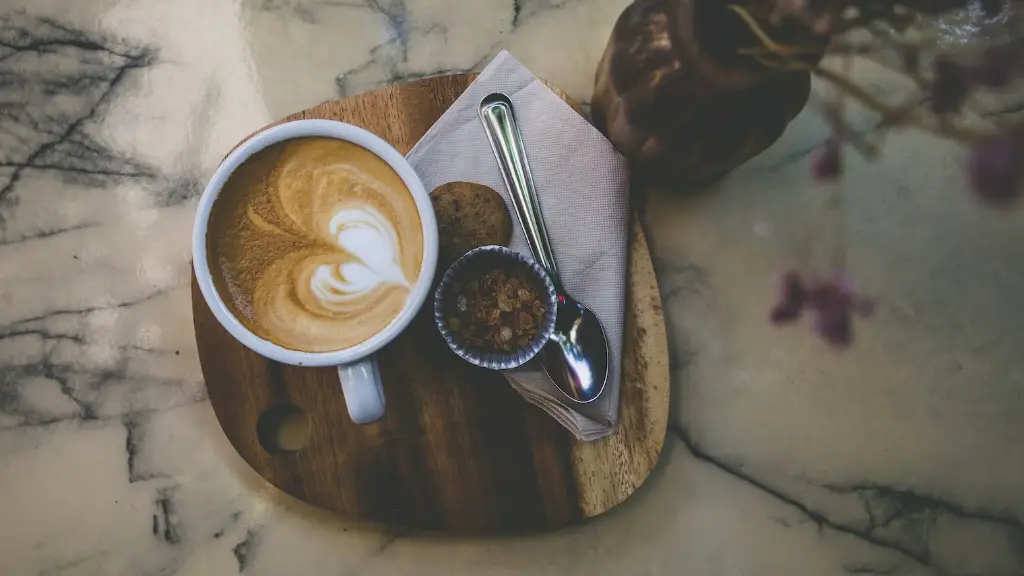
From a financial perspective, suddenly stopping drinking coffee may also help you save money. Depending on your coffee fix, daily costs can add up quickly over time. To help keep your coffee craving in check, opting for a pre-measured “cup” of coffee, like pre-made coffee pods or k-cups, can save you a few bucks here and there. And, if you’re really a coffee fanatic, try purchasing coffee beans from the store, which can save you even more money in the long run.
Although there are many potential benefits to quitting coffee, it is important to remember that going cold turkey can be hard and if it’s something you strongly want to do, you should do it in a safe and healthy manner. First, it’s important to remember that caffeine levels in coffee can vary depending on the type of bean, roast, and brewing method. So, if you are going to suddenly stop drinking coffee, try reducing your intake slowly over time and selecting beverages with lower amounts of caffeine instead.
Finally, be sure to get plenty of rest, drink plenty of water, and eat healthy to help reduce any potential caffeine withdrawal symptoms. Try switching to alternative beverages like tea, which is loaded with antioxidants that may benefit your health. Tea has lower levels of caffeine than coffee, which can help reduce the chances of withdrawal if you are going to ween yourself off of coffee.
Nutrition
If you’re cutting down or quitting coffee, it is a great opportunity to start eating healthier. Certain nutrients are important for energy, mood, and overall health, including B-vitamins, magnesium, and omega-3 fatty acids. Magnesium is important for helping create energy and is found in foods like dark chocolate, nuts, and avocados. Omega-3 fatty acids, such as those found in oily fish and flaxseeds, are important for brain and mental health, so you should make an effort to boost your intake of these.

Making sure you’re getting a balanced diet including nutrient-rich, plant-based foods like fruits, vegetables, and whole grains to ensure you are getting enough key for your body. Additionally, try including more herbal teas, plant-based proteins, or adding a teaspoon or two of maca powder to your smoothies for extra energy.
Also, if you’re suddenly not jolting up with java, you may find yourself craving foods high in sugar or caffeine and feeling sluggish. To stay on track, plan snacks ahead of time and make sure they contain a healthy balance of carbohydrates, proteins and fats to give you sustained energy.
Eating right can be especially important if you’re going off caffeine, since caffeine commonly affects your body’s ability to absorb nutrients. When you decrease your coffee intake you’ll be doing yourself a favor in the long run, as by eating the right foods means you can give your body the micronutrients it needs.
Sleep Patterns
As previously mentioned, coffee is a stimulant and therefore affects sleep. When you suddenly stop drinking coffee, you may notice a change in your sleep patterns. You may find that you’re able to sleep a bit more soundly, or you may find that you fall asleep more quickly at night. You may also find that you need to adjust your sleep schedule to get the full eight hours of sleep each night.
In conjuction with a healthy diet and low caffeine intake, making sure you get enough rest is essential for staying in the best mental and physical health. Developing a bedtime routine and sticking to it can help you ensure you get enough snooze time. Try avoiding screens in the hour before bed and adding a few minutes of stretching or yoga. When you do get some shut eye, focus on getting in quality deep sleep and waking up feeling refreshed.
Additionally, if you are feeling more sluggish in the am, don’t beat yourself up. Not having your morning java can take some time to adjust to. A little light exercise or stretch in the morning can help revamp your energy levels and start your day off right.
Mindful Drinking
When you’ve decided that you want to reduce or stop drinking coffee, mindful drinking will help you make it happen. Mindful drinking is all about actively connecting to your experience of drinking by being present and paying attention to your body’s signs when you drink. This means taking the time to really appreciate how a cup of coffee smells and tastes, or to pay attention to how it makes you feel when you drink it. It also means listening to how your body is feeling and how it’s reacting to caffeine, and then making any changes accordingly.
To make sure your coffee habit doesn’t spiral out of control, set a limit for yourself and stick to it. For example, drinking more than one cup per day, or any cup after 3pm. Being intentional with your coffee intake can also help you stay on track with your goal. For example, if you know you need an afternoon pick-me-up, have a cup of decaffeinated tea instead, or just a glass of water.
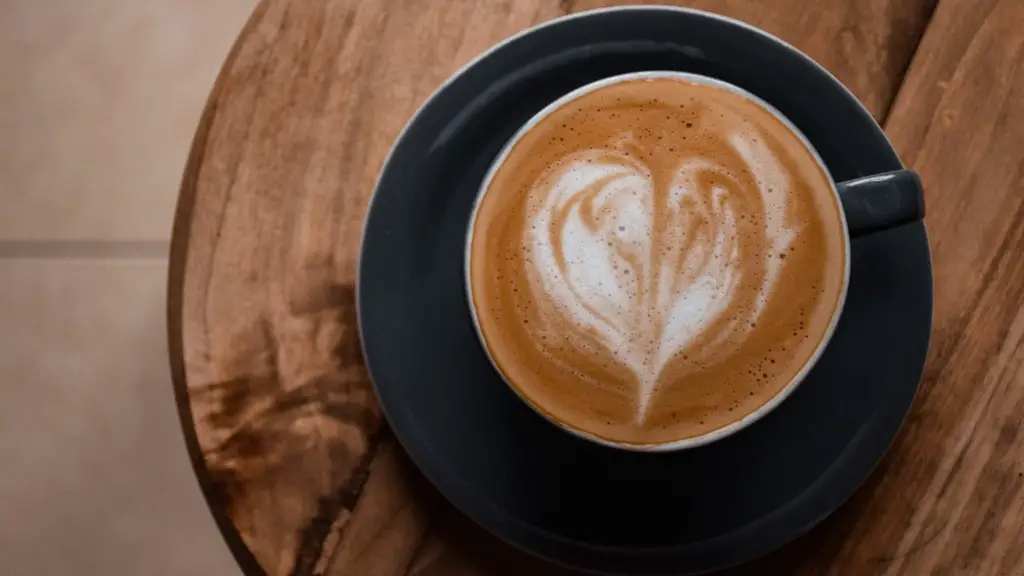
Finally, it’s important to remember that coffee is a powerful stimulant and can have both positive and negative effects on your body, so drinking in moderation is the key. If you are looking to curb your coffee craving, making a mindful effort can help you stay on track.
Social Drinking
Social drinking can be a huge challenge when you’re cutting back on coffee. Coffee is often a social activity- whether you meet with friends for a coffee date or just grab a cup of joe with colleagues- it’s often a shared experience. It can be difficult to suddenly start turning down coffee invitations, especially if you don’t have a good excuse for why you don’t want the coffee.
The best way to address this issue is to come up with alternatives to coffee to suggest when you’re out with friends or colleagues. Start by suggesting activities that don’t involve coffee, like going for a walk, meeting for lunch, or taking an exercise class together. Bring a water bottle to work or meetings and always find a way to politely say no to coffee while still engaging in a conversation.
If you find yourself in a situation where you’re offered coffee, try opting for a cup of decaffeinated coffee or tea, or order a healthy treat instead. This way you can still join in on the conversation without having to drink coffee. Alternatively, many coffee shops have wide range of other drinks you can enjoy like smoothies and juices, or you can get creative with your ideas. For example, combining an almond milk cappuccino with with a scoop of pumpkin spice ice cream can be just as satisfying.
Psychological Effects
When you stop drinking coffee, you’ll also likely notice changes in your mental and emotional state. Coffee helps to mask feelings of anxiety and can make you feel more confident, so it is understandable that you may become more self-aware of these feelings when you no longer rely on coffee. For those that rely heavily on coffee for a “pick-me-up,” it may be a difficult process to realize that caffeine isn’t actually the only source of energy available.
However, giving up coffee allows you to recognize the true source of energy and joy in life, as well as to appreciate these areas without the help of a caffeine boost. Without relying on coffee, you may find yourself feeling more relaxed, having more energy without the need for stimulating drinks and being more creative which can in turn give you a healthier and more positive outlook.
In addition, mindful practices such as yoga, walking, and meditation can be beneficial in order to reduce any potential anxiety that may come with no longer drinking coffee. Focusing on your breath, or becoming more aware of any physical sensations may help you to become more present and connected to your emotions.
Final Thoughts
There are potential benefits and challenges that come with quitting your daily caffeine intake, so remember it is not something you should feel pressure to do. If it’s something you’re considering, make sure you do so in a healthy and safe manner with frequent breaks from the caffeine and the motivation to stay on track. Keeping a positive attitude and remembering to trust your body is the key to a healthier life without the need for coffee.
