Coffee drinkers are often times told to give up their daily cup of joe to avoid upsetting their diverticulitis – an inflammation of the gastrointestinal tract. But, is this really necessary?
Very few studies have actually looked into this topic, so the majority of advice that exists on the subject is mostly opinion-based. However, some of the experts can agree that drinking coffee alone isn’t a danger when someone has diverticulitis. In fact, people who are diagnosed with the condition generally can drink the same amount of coffee they were drinking prior diagnosis.
Since coffee is caffeine-containing, it is possible for something in the beverage to cause a reaction. Spicy foods and many dairy-based foods have been linked to diverticulitis flare-ups, as has chocolate. This means that, if a particular person has recently gone through a diverticulitis flare-up, they should become aware of the foods and drinks in their diet that could be responsible. This includes coffee, and it is important for them to investigate the issue further in order to determine if caffeine or any particular ingredients of the beverage cause a reaction.
When someone experiences diverticulitis, the best thing they can do to prevent a flare-up is to consume a diet high in fiber and low in fat and sugar. This means that including coffee in their regular diet may not be a wise decision as it can cause dehydration and can also interfere with the body’s ability to absorb certain vitamins and minerals. In fact, studies show that consuming high amounts of caffeine on a daily basis can interfere with the health of the digestive system, which is not conducive to individuals with gastrointestinal problems.
It is recommended to consult with a physician before making any drastic changes to one’s diet, particularly when it comes to beverages like coffee. Generally speaking, it is best to cut one’s caffeine intake by half or even completely for a period of time in order to determine if the symptoms of diverticulitis can be controlled. Once the condition is stabilized, coffee may then be gradually reintroduced, but with potentially stricter limitations on the amount and the type of caffeine consumed.
Diagnosis and Treatment of Diverticulitis
Diverticulitis is a condition characterized by inflammation of the intestines. The symptoms of diverticulitis often mimic those of other digestive problems, so it can be difficult to diagnose. Common symptoms may include nausea, abdominal pain, bloating, vomiting and fever. If an individual experiences these signs, it is important to seek medical attention right away.
Treatment will vary depending on the severity of the condition, but a combination of antibiotics, rest, changes to diet and special medications are often recommended. If the condition is severe enough, surgical treatment may also be required. During treatment and recovery, it is important to follow prescribed guidelines and to avoid any foods that can contribute to diverticulitis flare-ups.
In order for one to recover successfully, it is necessary to cut out any foods or drinks that can potentially make the condition worse. This includes caffeine, so individuals who wish to consume coffee should speak with their doctor prior to doing so.
The Effects of Caffeine
Caffeine is an ingredient found in many drinks and foods, including coffee, tea and energy drinks. The effects of this stimulant are varied and there are both positive and negative aspects to consuming it. For example, it has been linked to improved alertness and concentration, and can also act as a diuretic.
On the flip side, consuming too much caffeine has been linked to dehydration, insomnia and restlessness. High doses of caffeine can also cause digestive issues, so it is important to ensure that the intake is kept at manageable levels, particularly for those with pre-existing digestive problems such as diverticulitis.
Alternatives to Coffee
Although coffee is an incredibly popular beverage, there are many alternatives out there that can provide the same energizing effects without leading to digestion problems such as those associated with diverticulitis. Herbal teas such as green tea, chamomile and peppermint can offer a similar boost with potentially anti-inflammatory effects in the body. Other options include matcha or maca powder, or even a juice or smoothie if the individual desires a stronger kick.
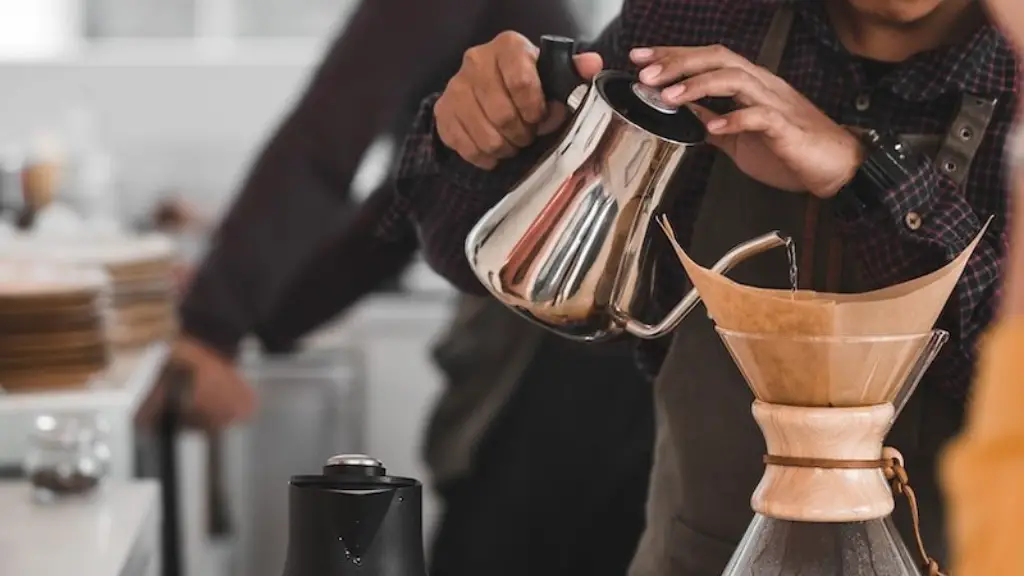
In addition to these alternatives, individuals can also opt for coffee that has been made in a manner that requires little or no lactose or dairy. There are various ways in which coffee can be prepared, such as Swiss Water Decaffeinated, a process that removes 99.9% of caffeine content while preserving the coffee’s flavor profile. Coffee can also be made with oat milk or another type of plant-based milk, which is far easier to digest and can be a good option for those with digestive issues.
What to Consider When Drinking Coffee
When considering coffee consumption for those with diverticulitis, it is important to understand how coffee can affect the body. It is also essential to understand one’s body and the effects that coffee has on it. If different types of coffee need to be tried in order to determine which is least uncomfortable, it is recommended to start with a lower dose and to increase it slowly over time to allow the body to adjust. Additionally, it is important to make sure that plenty of water is consumed throughout the day when drinking coffee, in order to ensure proper hydration.
If an individual has been prescribed any medication to treat their diverticulitis, they should also be aware of any potential interactions between the drug and caffeine. Generally speaking, caffeine and some medications do not have a good interaction, so it is important to discuss any worries with a doctor or pharmacist.
Lifestyle Changes for those with Diverticulitis
In addition to changes to diet, those with diverticulitis should also pay extra attention to their lifestyle habits. Increasing physical activity is important, as it can help to foster better digestion and reduce the risk of flare-ups. In order to achieve this, it is essential to find activities that one enjoys and that can be sustained over a long period of time. In addition, relaxation techniques, such as yoga and breathing exercises, may prove beneficial and can improve overall wellbeing.
It is also important to choose relaxation methods that don’t involve consuming caffeine. Stress plays a major role in the severity of diverticulitis flare-ups and in order to avoid this, relaxation-focused activities should be favored over drinking coffee or other caffeinated beverages.
Healthy Eating Habits when dealing with Diverticulitis
When it comes to diet, food choices can have a huge bearing on somebody’s condition and so it is important to be aware of the foods that can add to the symptoms of diverticulitis. Generally speaking, it is beneficial to eat a diet that is rich in fruit and vegetables, whole grains, lean protein and healthy fats. It is also important to watch one’s intake of refined carbohydrates, unhealthy fats and processed foods, as these can lead to inflammation.
In addition to foods mentioned previously, it is essential to look for probiotic and prebiotic supplements or foods, such as yoghurt or kefir, which can help to maintain gut health. When choosing a supplement, look for foods and drinks that contain live bacteria cultures and that are free from additives and sugar.
Sticking to a Diverticulitis Friendly Diet
When someone is diagnosed with diverticulitis and is keen to rid their diet of potential trigger foods, it is important to simplify their choices and make good use of the available vegetables and whole foods. Preparing meals with these foods in mind can improve the health of the digestive system, while also offering an exciting way to lead a new and healthier lifestyle.

Another option is to look for foods that contain natural fibers and anti-inflammatory properties. Examples of these may include fatty fish with plenty of omega-3 fatty acids, green leafy vegetables and nuts & seeds. Additionally, consuming ginger, garlic and turmeric can also be beneficial, as these foods naturally contain anti-inflammatory properties.
Supplementation for Diverticulitis
In order to improve digestive health and lessen the effects of diverticulitis, supplements may prove useful. Depending on the severity of the condition and any existing health problems, a health professional may recommend taking a probiotic or prebiotic supplement, alongside other vitamins and minerals. It is important to bear in mind that supplementation is not a one-size-fits-all approach and that some supplements may be necessary in certain cases, while other may be redundant or even potentially detrimental.
In conclusion, coffee may be consumed when someone is dealing with diverticulitis, however it is important to be aware of any potential triggers and to monitor one’s body for any adverse reactions. It is best to follow the advice of a trusted healthcare professional, as they will be able to provide more insight into the effects of coffee and other beverages on this particular health problem.
