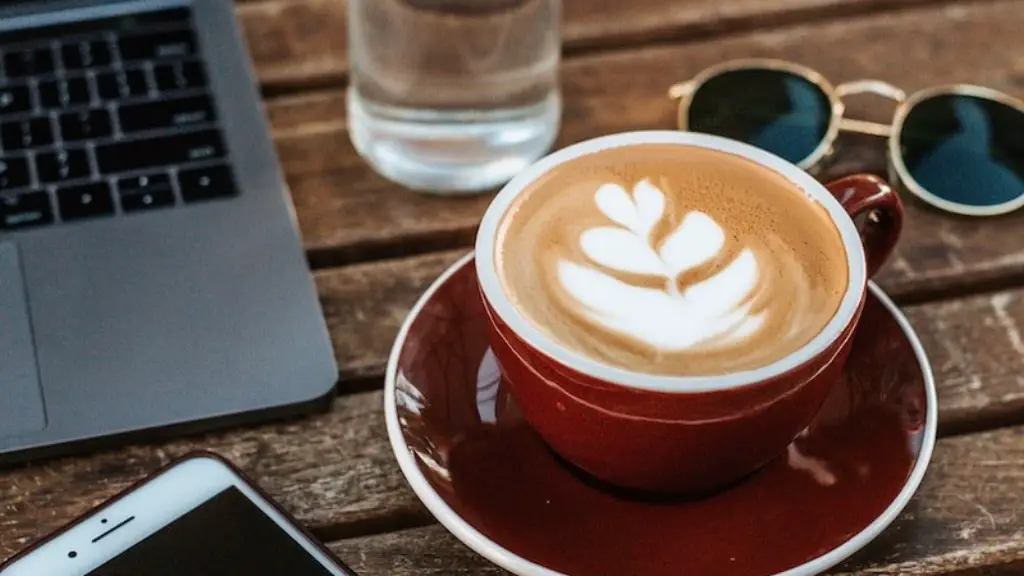
Can You Drink Black Coffee During A Fast?
For those following a fasting program, coffee may be a great energizer – it is well known for its potential to help boost alertness, concentration and productivity. But for many, it may be a source of confusion and questions – can you drink black coffee while fasting?
Coffee has been a popular part of the fasting lifestyle for a long time, with some studies indicating that a cup of coffee may increase the beneficial metabolic effects of fasting. In fact, a 2018 study even found that coffee consumption can promote fasted-state fat burning.
However, it is important to mention that caffeine can also have potentially negative health effects, so moderation is important. If you are considering drinking coffee while fasting, it is important to consider how the amount of caffeine you are consuming may affect your health. So what are the benefits and risks of drinking black coffee while fasting?
Benefits of Drinking Black Coffee While Fasting

Drinking a cup of black coffee in the morning can potentially provide a number of health benefits while still adhering to the parameters of a fasting program. One of the most common reasons that people choose to drink black coffee while fasting is for its potential to provide a boost in energy and alertness.
Studies have found that consuming black coffee in the morning can increase alertness and enhance cognitive performance in different domains. This can be beneficial for those participating in a fasting program as it helps to counter the sometimes sluggish mental state that can accompany fasting.
Caffeine can also be beneficial for those following a fasting program as it can reduce the hunger hormone, ghrelin, making it easier to remain in a fasted state for longer. In addition, some studies have found that black coffee can help increase metabolic activity, increase the amount of fat burned and decrease fat storage.
Risks of Drinking Black Coffee While Fasting
While there are some potential health benefits associated with drinking black coffee while fasting, it is important to note that it may not be beneficial for everyone. Consuming too much caffeine can have potential drawbacks, and can cause side effects such as anxiety, irritability, and an upset stomach.
Another potential concern is that black coffee may interfere with your ability to enter a deep sleep at night. Caffeine has a half-life of approximately four to six hours, meaning that it can still be present in your system around six hours after consumption. For this reason, it is important to limit caffeine intake and avoid drinking coffee later in the day – otherwise, caffeine may interfere with your sleep.
Finally, those following a fasting program should keep in mind that black coffee can be a diuretic, meaning that it can cause frequent trips to the bathroom. In addition, it is important to note that not all fasting protocols may allow black coffee.
Alternatives To Drinking Black Coffee
If you’re not keen on drinking black coffee, there are other alternatives that can be incorporated into a fasting regimen. For example, you could switch to decaffeinated coffee and still receive the same benefits. Alternatively, you could opt for unsweetened herbal teas, like green tea or chamomile tea, which can provide a range of health benefits.
Additionally, there are a number of plant-based beverages that are suitable for those following a fasting program. For example, some individuals may choose to incorporate natural nootropic beverages such as matcha, turmeric latte, or adaptogen-rich drinks such as lion’s mane tea. All of these drinks can provide a range of health benefits, while still adhering to the parameters of a fasting program.
How Much Coffee Is Too Much?

When it comes to coffee consumption, moderation is key. Generally, it is recommended to consume no more than 400mg of caffeine per day – this is equivalent to the amount of caffeine in four cups of strong black coffee. For those particularly sensitive to caffeine, it may be beneficial to aim for a maximum of two cups. Additionally, it is important to limit coffee consumption to the morning and midday, as caffeine may interfere with your ability to get a good night’s sleep.
Expert Perspective
According to expert nutritionist, Leandra Felline, consuming coffee can potentially be beneficial when following a fasting program, however, it is essential to consider how much and when you consume caffeine. Felline states, “Coffee consumption can be beneficial while following a fasting program, however, it is important to consider how much caffeine you are consuming and to avoid drinking it too late in the day.”
How To Make The Most Of Your Coffee
When it comes to making the most of your coffee consumption, it is a good idea to focus on quality over quantity. Investing in good quality, freshly roasted coffee beans and brewing your own coffee can be a great way to get the most out of your morning cup of black coffee.
In addition, you may also want to consider adding fat to your cup of coffee to help satiate hunger and reduce cravings. This could involve adding a teaspoon of coconut oil or grass-fed butter, or alternatively, enjoying your coffee as part of a keto-friendly bulletproof coffee.
Final Thoughts

If you’re looking to maximise the potential health benefits of fasting, then it can be beneficial to include black coffee as part of your fasting regimen. However, it is important to approach all forms of caffeine moderation, and to account for any other lifestyle factors that may negatively affect your health.
