
Drinking coffee before a blood test is a common practice for many people, as it can help them feel more alert and energized. However, it’s important to understand whether this practice could affect the results of the test. Before deciding to have coffee prior to a blood test, there are several factors that should be taken into consideration.
Coffee contains caffeine, which can raise the heart rate and increase blood pressure. This could potentially interfere with some tests that measure cardiac output and other conditions related to heart health. Additionally, caffeine can also speed up metabolism, potentially affecting the results of tests that measure hormones or other substances produced by the body.
Depending on the type of blood test being conducted, coffee may not be recommended. It’s best for individuals to speak with their doctor or healthcare provider about whether drinking coffee prior to tests could influence their results.
Should You Avoid Caffeine Before a Blood Test?

It is advisable to avoid caffeine before a blood test, as it could affect the results. Caffeine is a stimulant that can raise your heart rate, which can impact the accuracy of the test. Additionally, caffeine can affect the way certain medications and anesthetics act in your body. To ensure the most accurate results from your blood test, it is best to avoid coffee, tea, energy drinks, and other caffeinated beverages for at least 12 hours prior to the test.
It should be noted that some medications and supplements may contain caffeine as well. Be sure to check with your doctor or pharmacist if you are unsure if your medication contains caffeine. Additionally, some foods such as chocolate and certain soft drinks may also contain caffeine and should be avoided prior to a blood test as well.
In general, it is important to talk with your doctor or healthcare provider about any dietary changes you should make prior to a blood test. This will help ensure that you get the most accurate results from your tests.
The Impact of Caffeine on Blood Tests
Caffeine is a stimulant found in many beverages, such as coffee, tea and soft drinks. While it can be beneficial when consumed in moderation, drinking too much caffeine can have an adverse effect on your body. It is especially important to be aware of the effects of caffeine when undergoing a blood test. Caffeine can interfere with the accuracy of certain tests and lead to incorrect results. Therefore, it is recommended that you avoid drinking coffee or other caffeinated beverages for at least 12 hours prior to a blood test. This will help ensure that your results are accurate and reliable. If you cannot avoid consuming caffeine before a blood test, it is important to inform your doctor or healthcare provider so that they can take this into account when interpreting the results.

In addition to affecting the accuracy of blood tests, excessive consumption of caffeine can also cause dehydration which may lead to inaccurate results as well. To ensure that your results are as accurate as possible, it is important to maintain adequate hydration levels before and after a blood test by drinking plenty of water. Avoiding coffee or other caffeinated beverages before a blood test may be inconvenient at times but it is important for ensuring reliable results from your tests.
Reasons to Avoid Caffeine Before a Blood Test
Caffeine is a stimulant that can cause your heart rate and blood pressure to increase. Therefore, it is best to avoid caffeine prior to a blood test. Caffeine can also increase the body’s production of certain hormones, which can alter the results of your blood test. Additionally, caffeine can affect the absorption of certain medications, which may also influence the results of your blood test. Therefore, it is advisable to avoid any caffeinated beverages at least 24 hours before your blood test.
Caffeine can also interfere with certain laboratory tests and make it more difficult for technicians to obtain accurate results. For example, caffeine can cause interference in tests for glucose levels, cholesterol or other metabolic markers that are important for diagnosis and treatment decisions. To ensure accurate results from your blood work, it is best to abstain from all caffeinated drinks at least one day before having a blood test done.
How to Prepare for a Blood Test
Preparing for a blood test doesn’t have to be difficult or stressful. First, it’s important to get plenty of rest the night before. You should also avoid eating or drinking anything, other than water, 12 hours before the test. This includes avoiding alcohol and limiting caffeine intake. Although you can still drink coffee before a blood test, it is recommended to limit it as much as possible as it can affect the results.

It’s important to note that you may need to fast for certain tests. Your doctor will provide specific instructions that you’ll need to follow in order to get accurate results. Make sure you follow their instructions carefully so that the results are not skewed in any way.
Be sure to also wear comfortable clothes on the day of your test. You may need to remove certain items of clothing or jewellery such as rings and watches so make sure you wear something easy to take on and off. Lastly, don’t forget to bring your doctor’s orders with you when you go for your appointment.
How Long Does Caffeine Remain in Your System
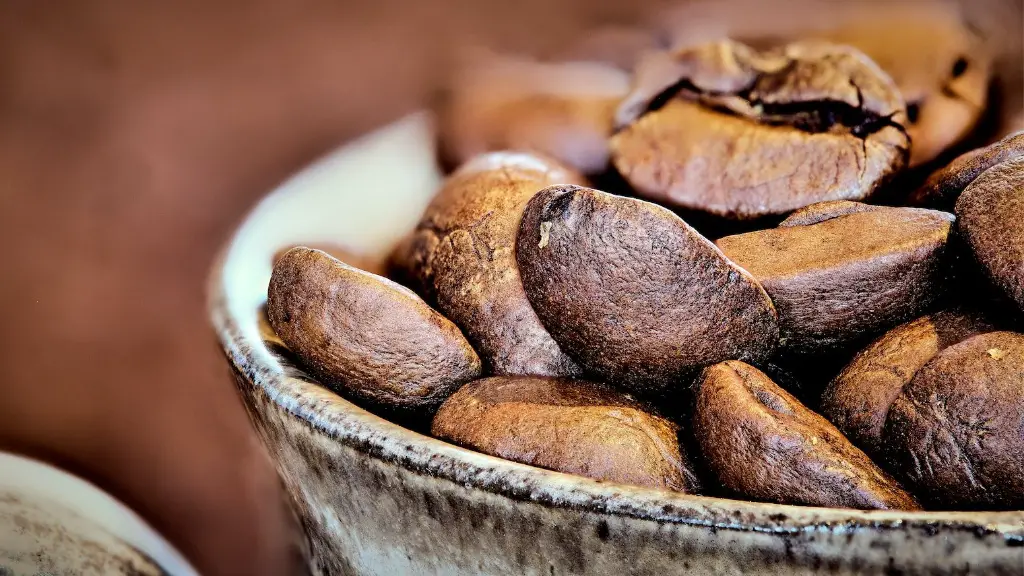
Caffeine is a stimulant drug found naturally in coffee beans, tea leaves, and cocoa. It can also be made synthetically and added to many foods and drinks. It has a half-life of about five hours, which means that it takes about five hours for the body to metabolize half of the caffeine you ingest. After that, it takes about five more hours for half of the remaining amount to be metabolized. This process continues until all the caffeine has been eliminated from your system.
It can take anywhere from one to nine hours for caffeine to completely leave your body. This varies depending on individual factors such as age, weight, and metabolic rate. If you consume a large amount of caffeine in a short period of time, it may take longer for it to clear out of your system. Conversely, if you consume smaller amounts over a longer period of time, it may take less time for it to be eliminated.
You should not drink coffee before a blood test, as caffeine can interfere with certain tests. The amount of time that it takes for the caffeine to clear out of your system depends on how much you’ve consumed and when you consumed it. If you are concerned about having too much caffeine in your system before a blood test, speak with your doctor or healthcare provider regarding their recommendations.
Coffee and Caffeine
Coffee is a popular source of caffeine, but it is not the only one. Other sources of caffeine include tea, energy drinks, chocolate, and certain medications. Caffeine can affect your blood pressure and heart rate, so it’s important to check with your doctor before consuming caffeine if you are about to have a blood test. It’s best to avoid drinking coffee or consuming any other form of caffeine before having a blood test. Caffeine can also interfere with certain medications so it’s important to check with your healthcare provider before consuming caffeine if you are taking any medications.
The End
In conclusion, it is safe to drink coffee before a blood test. However, you may want to avoid drinking coffee if your doctor has advised against it. Additionally, make sure to drink a lot of water before the test and ask your doctor for specific instructions. It is important to follow your doctor’s instructions carefully and not make any changes to your diet or routine without consulting them.