
Intermittent Fasting (IF) is an increasingly popular method of calorie and carbohydrate restriction, with a wide range of potential health benefits. But one of the key questions that many people ask is “Can I drink coffee when I am fasting?”. It’s a good question and understanding the answer is important for anyone who is following an intermittent fasting program.
There are a few different types of intermittent fasting such as the 16/8, the 20/4, and the 5/2. The 16/8 is the most popular, wherein you fast for 16 hours, then eat all of your meals in an 8-hour window, while the 20/4 is where you fast for 20 hours and consume all of your meals in a 4-hour window and the 5/2 is where you eat normally 5 days a week and then fast the other 2 days. Generally speaking, however, the principle is that you have a set period where you are not consuming any food or drink, and it is during this time that people usually ask if they can consume coffee.
The answer is yes, you can drink coffee when you are fasting. However, since coffee does contain some calories and carbohydrates, there are a few things to keep in mind. Firstly, you want to be sure that your coffee does not contain any added sugar, creamers or other ingredients with calories. Secondly, the type of coffee you drink can also affect how it affects your fasting. For example, a strong espresso will have significantly fewer calories than a latte, so you may want to switch to espresso or black coffee if you’re fasting.

Coffee has been proven to have some health benefits on its own, so when combined with an intermittent fasting program, it can provide some additional, significant benefits. Research has shown that coffee can help boost metabolism, increase energy levels, and reduce hunger, all of which are key benefits of a successful fasting program. The main thing is that if coffee is consumed during the fasting window, it should be done in moderation and not as a substitute for actual meals.
Experts recommend that if you do drink coffee while fasting, it is best to restrict it to only in the morning. This is not just because of the calorie and carbohydrate content of coffee, but also because of the stimulating effect it can have which may negatively affect your sleep later on. Also, be sure to drink plenty of water, as coffee can also be dehydrating.
Caffeine Intake During Intermittent Fasting
Caffeine is known to help suppress appetite, providing potential benefits for calorie control over the course of the day. However, for those who are doing intermittent fasting, studies suggest that the caffeine should be taken in moderation. Too much caffeine can lead to dehydration, dizziness, headaches, and other uncomfortable symptoms which can interfere with your ability to fast effectively. As such, it is recommended to stick to one to two cups of coffee a day while fasting, with no additional caffeine intake.
Maintaining Good Nutrition While Intermittent Fasting
The goal of fasting is to help maintain good nutrition, which means you should look for ways to make the most of the meals you are eating when you are not fasting. Which means eating a diet rich in healthy, whole foods that include plenty of vegetables, lean proteins, healthy fats and complex carbohydrates. Additionally, while intermittent fasting can help reduce hunger, portion control is still key in order to ensure you are not overeating when the fasting period has finished.
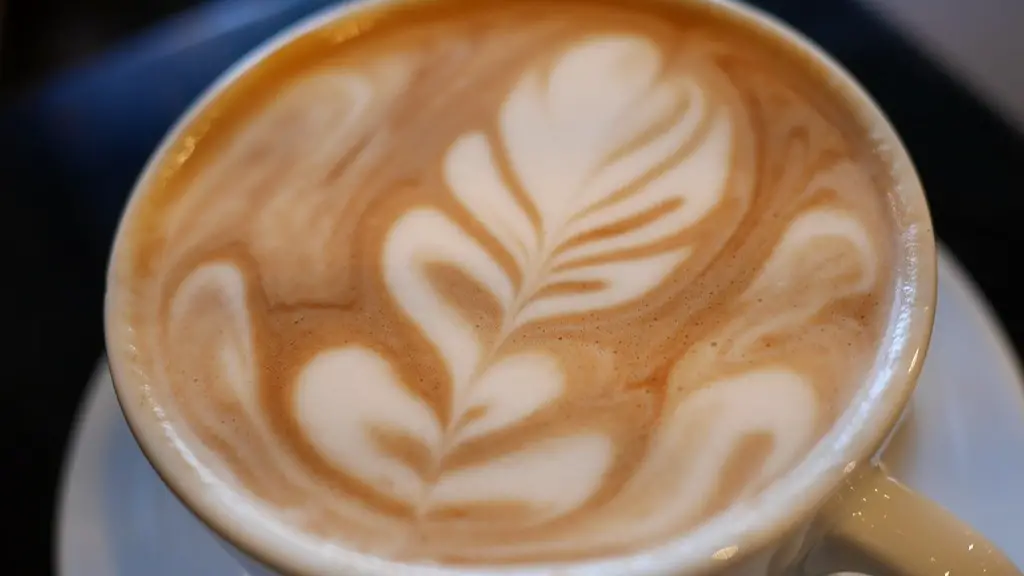
It is also important to note that even if you are drinking coffee while fasting, the effects of caffeine may not be as beneficial if you are not eating a healthy and balanced diet. Caffeine will only provide temporary energy and appetite suppression, so if you are not consuming the right foods when you are eating, it is unlikely that you will see any long-term benefits of your fasting program.
Potential Benefits of Intermittent Fasting With Coffee
For those who are looking to achieve their weight loss goals, using coffee in conjunction with an intermittent fasting program may be beneficial. The combination of the caffeine and calorie restriction can help to reduce hunger and boost metabolism, resulting in potential loss of body fat. In addition to this, drinking coffee during a fasting period can help provide focus and energy, making it easier to stay on track with your program. Lastly, the combination of fasting and coffee can also help to improve overall health, as the reduced calorie intake, along with the potential for improved focus and mental clarity, are all potentially beneficial.
Risks Associated With Intermittent Fasting and Coffee Intake
Although there can be potential benefits to combining intermittent fasting and coffee intake, there are also some risks to consider. Consuming too much caffeine in a short period of time can create unpleasant side-effects such as headaches, dizziness, and nausea, and may also lead to more serious health complications such as high blood pressure and anxiety. Additionally, drinking coffee while fasting can also lead to dehydration if water intake is not monitored and adjusted accordingly.
Conclusion
In conclusion, drinking coffee when intermittent fasting is possible, but it is important to be mindful of the potential risks. Caffeine can help to reduce hunger and provide energy and focus, but it should always be consumed in moderation and only during the fasting window. Additionally, a healthy, balanced diet should always be the focus, with coffee being just one of many tools which can be used to help improve the effectiveness of your diet.
