
Coffee is one of the most popular beverages in the world and for pregnant women, there is some potential risk when it comes to drinking it. Reports have suggested that drinking coffee during pregnancy could lead to miscarriage and research has been conducted to find out its effects.
It is important to know the facts when it comes to drinking coffee while pregnant. Studies have suggested that drinking more than two cups of coffee may increase risk of miscarriage. This is due to the caffeine content in coffee, which has been linked to various health conditions. Caffeine is a stimulant and can cause a fetus to be more active and possibly lead to a miscarriage.
Researchers have conducted numerous studies to analyze the effects of caffeine consumption on pregnant women and their babies. The results of these studies have been varied with some suggesting that caffeine consumption could cause a miscarriage and others concluding that it had little or no effect.

The American College of Obstetricians and Gynecologists (ACOG) has recommended that pregnant women should limit their caffeine intake to no more than 200mg per day. This is equivalent to about two cups of coffee. The organization has also advised pregnant women to avoid drinks with high caffeine such as energy drinks, as they can contain up to 500mg of caffeine per serving.
Furthermore, pregnant women should be aware that caffeine can be found in other foods and drinks, not just coffee. Chocolate, tea and soda all contain varying amounts of caffeine and if a pregnant woman consumes too much of these, the risk of miscarriage could increase.
When it comes to drinking coffee while pregnant, it is recommended that pregnant women should limit their intake. However, there is no clear evidence that suggests that drinking coffee causes miscarriage, as the research has been inconsistent. Pregnant women should always speak to their doctor if they are unsure about their caffeine intake.
Effects of Caffeine on the Fetus
Caffeine has been linked to a variety of issues with the fetus, including increased risk of miscarriage. Caffeine can cause fetal development issues due to its stimulant properties, which can result in a miscarriage. This is due to the fact that caffeine increases the level of stimulation and activity of the fetus. This can cause the fetus to be more active, which can lead to a miscarriage.

Studies have also suggested that caffeine can cause low birthweight and preterm birth. Low birthweight is when a baby is born smaller than the normal average and can lead to a variety of health problems. Preterm birth is when a baby is born before the expected gestation period and is associated with an increased risk of disability.
Caffeine can also be passed through the placenta if a pregnant woman consumes it. This can be dangerous as the baby’s body may not be able to process the caffeine in the same way as the mother. This can lead to a variety of health issues in the baby.
Therefore, it is important to limit caffeine intake during pregnancy if possible as it can have an effect on the fetus.
Risks of Drinking Coffee During Pregnancy
It is important to be aware of the risks associated with drinking coffee during pregnancy. As mentioned previously, drinking coffee can increase the risk of miscarriage. Furthermore, coffee can contain other ingredients, such as sugar and cream, which may be harmful to the fetus.

Coffee can also contain other ingredients, such as acids, which may be dangerous for the fetus. Some research suggests that drinking too much coffee may increase the risk of birth defects. Furthermore, drinking too much coffee can lead to dehydration and can be harmful to both the mother and the fetus.
Therefore, if a pregnant woman is drinking coffee, it is important to ensure that they are not consuming too much and to ensure that the coffee does not contain any other ingredients that could be dangerous.
Alternatives to Coffee During Pregnancy
If a pregnant woman is trying to limit their caffeine intake, there are a variety of drinks that can be consumed instead of coffee. These include herbal teas, which are generally caffeine free and can provide a variety of health benefits. There are also decaffeinated coffee options available, which have had some of the caffeine removed, but still have some traces of the stimulant.
Furthermore, there are a variety of other hot drinks that can be consumed during pregnancy. Such drinks could include hot chocolate, fruit tea, oat milk or almond milk. All of these options can provide a nutritious and tasty drink without the risks associated with caffeine consumption.
Benefits of Drinking Coffee During Pregnancy

Although there have been suggestions that drinking coffee during pregnancy could lead to miscarriage, there are some potential benefits associated with consuming the beverage. Coffee contains a variety of nutrients, such as potassium and magnesium, which can be beneficial for the pregnant woman.
Furthermore, coffee can also provide an energy boost for pregnant women as the stimulant can help to keep them alert and focused. This can be useful for pregnant women as they are likely to be feeling more tired than usual.
Coffee can also provide a social benefit for pregnant women. Many cafes offer a variety of coffee based drinks and pregnant women may find their visits to these establishments to be soothing and enjoyable.
Studies on Drinking Coffee During Pregnancy
As mentioned previously, research has been conducted to find out the effects of drinking coffee while pregnant. Such studies have been varied in their results, with some suggesting that it could lead to an increased risk of miscarriage and others concluding that there is no effect.
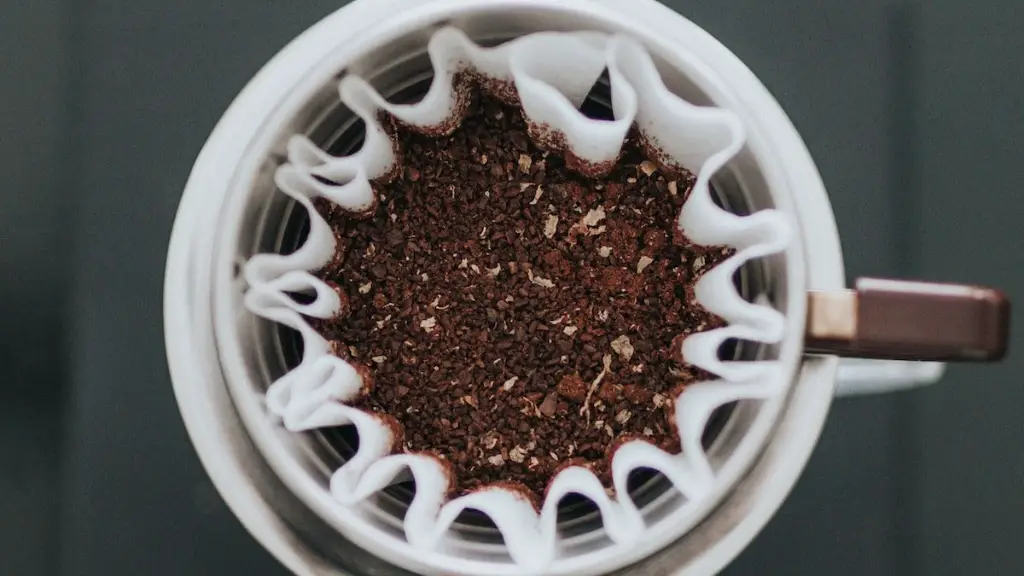
Some studies have suggested that in certain groups of pregnant women, drinking caffeine can increase the risk of miscarriage, while others have found no link. Furthermore, some experts have suggested that the amount of caffeine intake is more important than the type, as the baby could be more sensitive to some types of caffeine.
Therefore, more research needs to be done in order to understand the effects of drinking coffee during pregnancy. There are a variety of potential risks and benefits associated with drinking coffee while pregnant and it is important to be aware of them.
The Bottom Line
IShould pregnant women avoid drinking coffee during pregnancy? The answer is not clear cut. Although some research has suggested that drinking coffee may increase the risk of miscarriage, there is not enough evidence to suggest that it causes miscarriages.
The American College of Obstetricians and Gynecologists (ACOG) recommends that pregnant women should limit their caffeine intake to no more than 200mg per day. It also advises that pregnant women should avoid any drinks that have a high caffeine content, such as energy drinks.
Drinking coffee while pregnant can be a personal decision and pregnant women should always talk to their doctor if they are unsure. It is important to be aware of the potential risks associated with drinking coffee during pregnancy, as well as the potential benefits. Ultimately, it is recommended that pregnant women should limit their caffeine intake if possible.
