
caffeine- aging connection
Coffee is one of the most popular drinks in the world and its popularity has grown massively over the years. Coffee contains caffeine, a stimulant that gives you a temporary boost of energy but also has other effects on the body.
Coffee has been linked to accelerated aging, with some studies showing that it can cause wrinkles, accumulate free radicals and damage skin cells. Many people are concerned that drinking coffee makes them look older, but what does the research say?
One study that looked at the effect of caffeine on aging examined the skin of mice and humans. The researchers found that caffeine damaged the proteins that keep skin smooth and elastic, resulting in wrinkles and age spots.
However, the study also found that caffeine was effective in reducing sun damage by inhibiting melanin production and blocking UVB radiation. This means that drinking coffee could potentially be beneficial for skin health.
Another study conducted in 2017 examined the effects of caffeine on mice and discovered that drinking caffeine not only made them age faster, but also shortened their lifespan. The researchers concluded that chronic, long-term caffeine consumption could have a detrimental effect on longevity.
But before you swear off coffee for good, it’s important to consider the context. Not all studies agree, and many of them don’t take into account the other factors, such as lifestyle and genetics, that could be impacting the results. So although caffeine may have some effect on aging, drinking coffee in moderation can also contribute to a healthy lifestyle.
Genes & Aging
Genetics can also play a role in how we age. It’s been found that some people are more susceptible to the effects of caffeine than others. For example, people with the APOE4 gene variant may be more sensitive to the effects of caffeine on skin and overall aging.

This gene is linked to Alzheimer’s disease, which is an age-related disorder. It is thought that people with the APOE4 gene may be more susceptible to aging-related diseases as well, meaning that consuming caffeine could speed up the aging process even more.
In addition, some studies have also linked caffeine consumption to an increased risk of age-related diseases, including cancer, heart disease, and diabetes. For example, one study found that drinking four to five cups of coffee a day was associated with a higher risk of type 2 diabetes.
So although caffeine may not make you “look” older, there is a possibility that it could increase your risk of age-related diseases.
Making Informed Choices
Everyone is different and what works for one person might not work for another. It’s important to remember that drinking coffee is not the only factor that can affect how quickly we age, and genetics can play a major role. So the best way to stay healthy and look young is to focus on achieving a balanced lifestyle that includes a healthy diet, regular exercise, and enough sleep.
If you are a coffee drinker, it’s important to make informed decisions about how much coffee you consume. Listen to your body and assess your risk factors. Moderation is key, as excessive coffee consumption can lead to health problems.
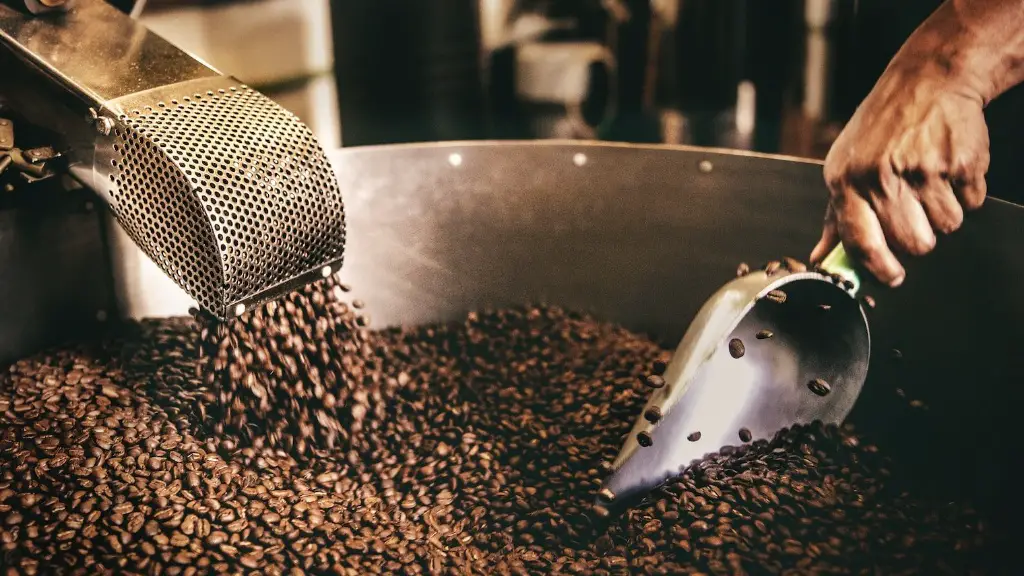
If coffee is part of your daily routine, it’s also important to make sure you are drinking healthy coffee. Look for brands that are organic and free of added sugar or artificial flavors. Opt for coffee made with fresh beans, as this will give you the most nutrients and flavor possible.
Coffee Alternatives
If you’re looking to cut down on your coffee consumption, there are plenty of alternatives that can still give you a boost of energy. Teas and matcha are great alternatives to coffee, as they provide a variety of health benefits such as increased mental alertness and improved digestion.
Swapping out coffee for a herbal tea or an adaptogen such as ashwagandha can also be a great way to reduce your caffeine intake without sacrificing energy. If you’re looking for a warm, cozy drink to replace your coffee, warm almond or oat milk with a bit of maple syrup is a great option.
Finally, it’s important to remember that an occasional cup of coffee is not going to make you age faster. As long as you’re mindful about your intake and make an effort to drink healthy coffee, there should be no need to worry about aging prematurely.
Healthy Habits
Aging is a natural process, and although we may not be able to halt the effects of aging, we can make sure that we are taking the necessary steps to reduce our risk of age-related diseases. Maintaining a healthy lifestyle is key to looking young and feeling your best. Eating a balanced diet, getting regular exercise, managing stress, and getting enough sleep are all essential for staying healthy as you age.
Regularly practicing these healthy habits can reduce your risk of age-related diseases and keep your skin looking young and healthy. In addition, making sure you are protecting your skin from the sun, avoiding smoking, and reducing your exposure to toxins is also important for preventing premature aging.
Calculating Your Risk
Although drinking coffee is often linked to accelerated aging, it’s important to note that this is not the case for everyone. Age-related risk factors such as genetics, lifestyle, and environment can all affect how quickly we age. So the best way to determine how much coffee is right for you is to calculate your risk.

Your doctor or healthcare provider can help you assess your age-related risk factors and develop a personalized plan to reduce your risk of age-related diseases. This plan can include everything from eating a balanced diet to limiting your caffeine intake. Taking action to reduce your risk can help you look younger and feel healthier for longer.
conclusion
In conclusion, it’s important to remember that drinking coffee is not the only factor that affects how quickly we age. Genetics and lifestyle can play a major role, and it’s important to consider these factors before making any assumptions about the effects of coffee on aging. Moderation is key when it comes to caffeine consumption, and making sure you are drinking healthy coffee is also essential.
Finally, making sure you are taking care of your health with a balanced diet and regular exercise is essential for staying young and healthy as you age. Taking preventative measures and knowing your age-related risk factors can help you look and feel your best in the long run.
